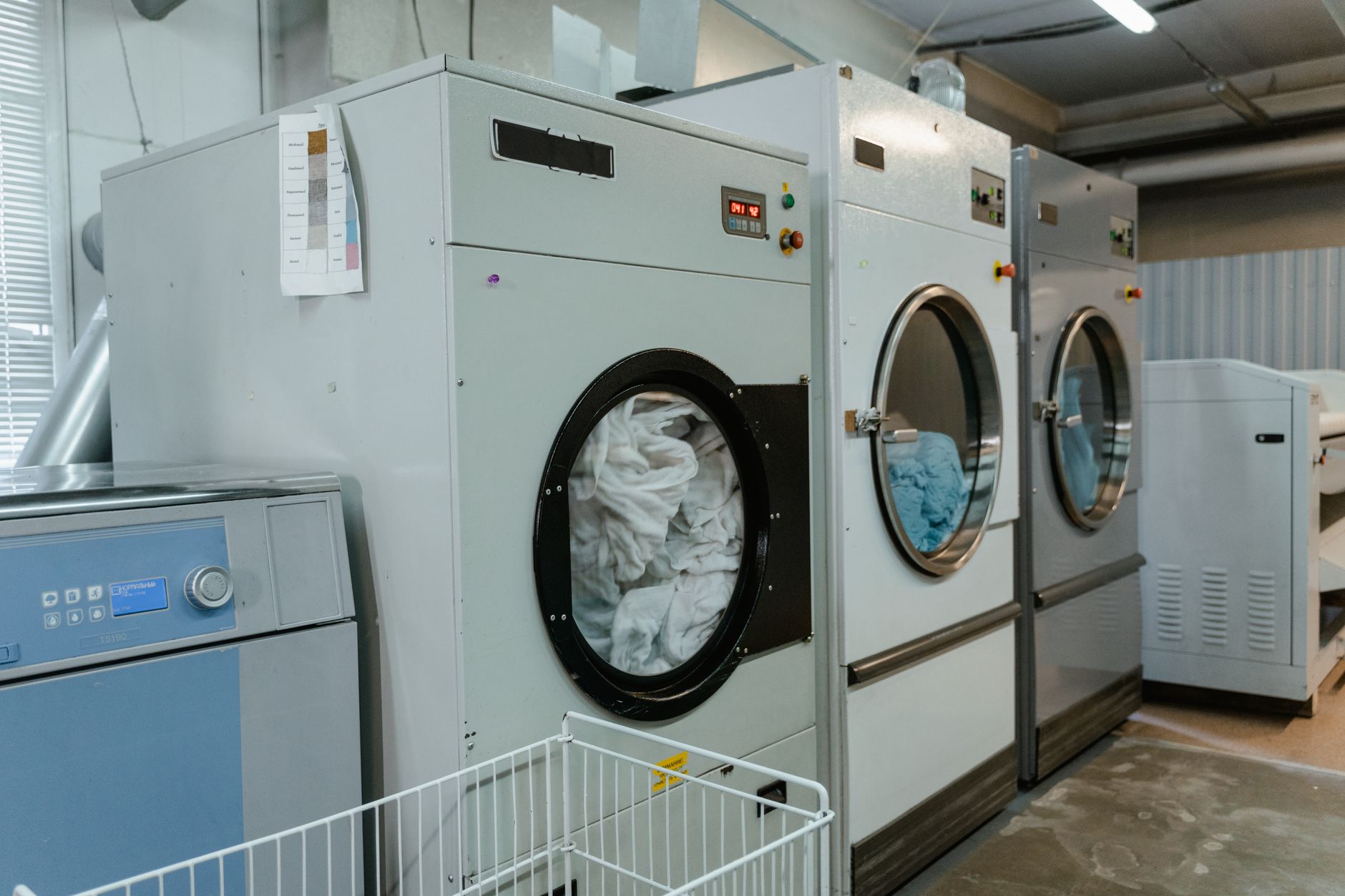
Tumble dryers are among the most energy-intensive appliances in a modern home, typically consuming between 2 and 5 kWh per drying cycle depending on the technology and load size.
⚡ In a Rush? Key Takeaways
- Vented dryers use up to 5 kWh per cycle, costing roughly $0.80 per load.
- Heat pump models reduce energy usage by 60% compared to traditional vented units.
- Running a dryer 4 times a week costs $150–$250 annually at current US energy rates.
- Cleaning lint filters every cycle improves airflow and cuts energy waste by 10%.
- ✅ Best value: Choose a heat pump model if you dry clothes more than twice weekly.
Which Tumble Dryer Type Is Most Energy Efficient?
Heat pump dryers are the most efficient option, using 60% less energy than vented or condenser dryers through closed-loop heating technology.
How Do Heat Pump Dryers Save Money?
They recycle warm air instead of venting it outside, significantly lowering power draw and protecting clothing from excessive heat damage.
Heat pump technology effectively recycles the heat used during the drying cycle. Rather than dumping hot, humid air through a hose, the system cools the air to extract moisture and reheats it to dry the clothes again.
Because they operate at lower temperatures, they are not only cheaper to run but also gentler on delicate fabrics. I have found this lowers the frequency of needing to replace items due to fibre breakdown.
- Heat pump: 1.5–2.0 kWh per cycle
- Condenser: 3.5–4.5 kWh per cycle
- Vented: 3.0–5.0 kWh per cycle
Are Vented Tumble Dryers Still a Practical Choice?
Vented dryers are cheaper to purchase initially but cost significantly more in electricity, making them inefficient for heavy users.
Vented units pull in ambient air, heat it, and push the moisture out via a flexible duct. While simple, they waste substantial energy as the heated air is constantly replaced.
They remain common in utility rooms with existing exterior access. However, if you are looking to manage long-term running costs, they are rarely the optimal choice in 2026.
How Can You Reduce Your Dryer Running Costs?
Optimizing load sizes, cleaning filters, and using high spin speeds are the most effective ways to lower your weekly laundry electricity bill.
Why Does Your Washing Machine Spin Speed Matter?
A higher spin speed removes more water from clothes before they reach the dryer, reducing total drying time and overall energy consumption.
Most users forget that the drying process begins in the washing machine. A 1,600 RPM spin extracts significantly more moisture than a 1,200 RPM cycle.
Less moisture in the fabric means the dryer works for a shorter duration. This simple adjustment can cut your dryer’s energy consumption by as much as 10% per load.
How Does Routine Maintenance Impact Efficiency?
Cleaning the lint filter and condenser unit after every use ensures maximum airflow, preventing the dryer from straining to push out moisture.
A blocked filter forces the machine to work harder and cycle for longer. It is a minor task that pays dividends in longevity and power efficiency.
Consider checking your exhaust vent if you use a vented model. A clogged vent is a fire hazard and a major source of energy waste.
Are Tumble Dryers Worth the Investment?
Dryers are worth the investment for households with high laundry volumes, though air-drying remains the only zero-cost alternative available.
How Do You Calculate Your Total Cost of Ownership?
Calculate the purchase price plus ten years of electricity costs based on your average weekly cycle usage to find the true appliance price.
Many shoppers focus on the sticker price, but home finance experts know that running costs define the real value. A cheap vented unit might cost $400 upfront but drain $300 in electricity annually.
In contrast, a higher-end heat pump model might cost $800 but drop those electricity costs by over 50%. The initial premium often pays for itself within three to four years of consistent use.
Is Air-Drying Always Cheaper Than Mechanical Drying?
Air-drying costs nothing in electricity, but heated airers offer a low-cost, space-efficient alternative that uses 90% less energy than a dryer.
If you have the floor space, a heated clothes airer is a fantastic compromise. It consumes roughly 230W compared to a 2,500W tumble dryer. While it takes longer, it represents a massive shift in household efficiency.
Frequently Asked Questions
-
How often should I clean the lint filter?
You must clean the lint filter after every single drying cycle to ensure proper airflow and maintain appliance efficiency.
-
Can I dry clothes too long?
Yes, over-drying clothes wastes electricity and damages fibers. Use sensor-dry modes to ensure the cycle stops when laundry is dry.
-
Are heat pump dryers worth the extra cost?
Yes, the energy savings over a 10-year lifespan almost always offset the higher purchase price compared to standard dryer models.
-
What temperature is best for energy saving?
Use the lowest effective temperature setting for your fabric type to reduce energy consumption and preserve the life of your garments.
Common queries regarding dryer efficiency, maintenance, and the financial impact of mechanical laundry drying in modern households.