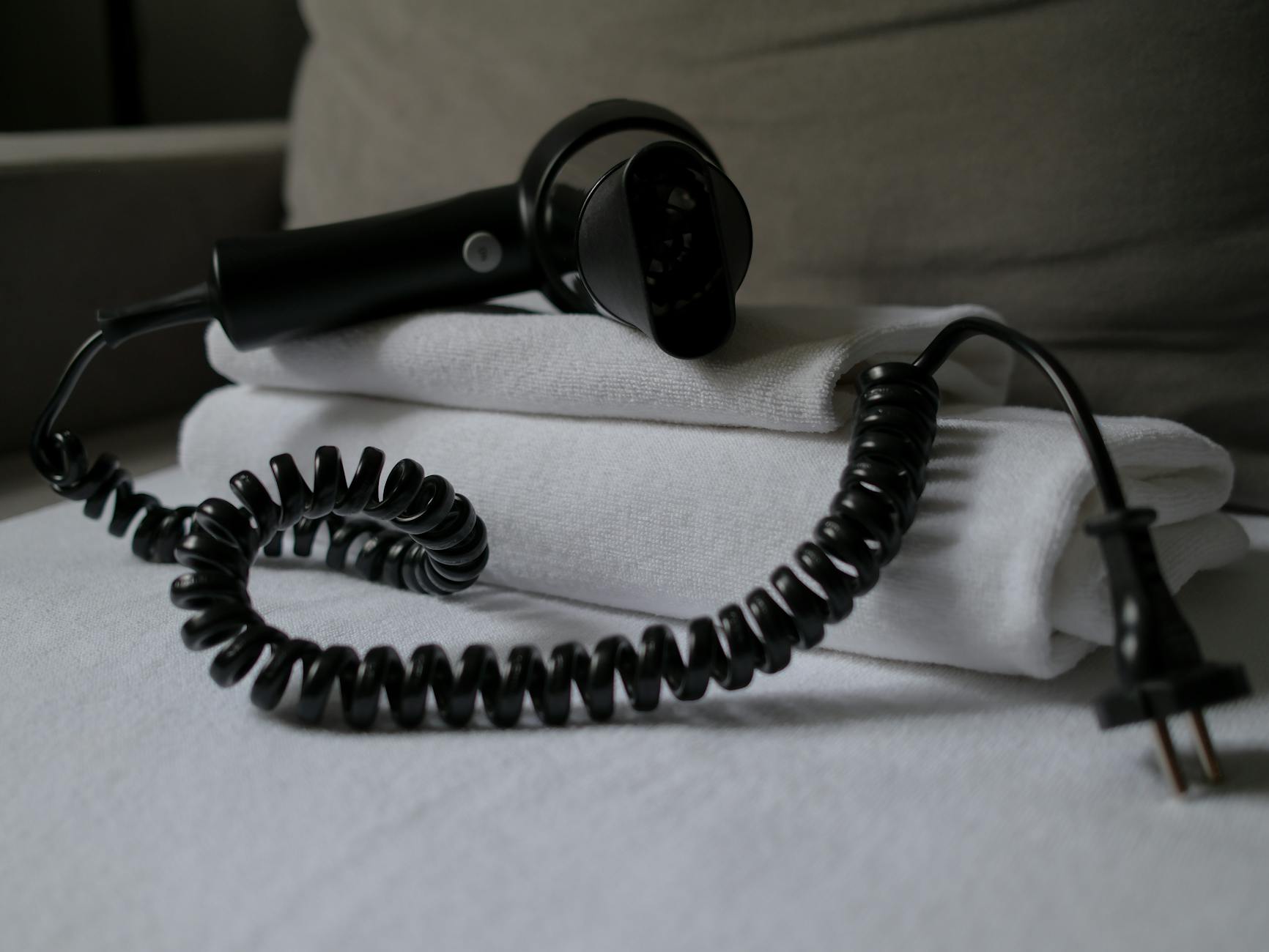
Understanding which household appliances should be unplugged when not in use can significantly impact your energy bills and enhance home safety. Many devices consume electricity even when turned off, a phenomenon known as ‘phantom load’ or ‘vampire drain’. This continuous trickle can add up to a notable portion of your monthly electricity bill, often without your awareness. Beyond energy savings, certain appliances pose fire hazards if left plugged in and unattended.
⚡ In a Rush? Key Takeaways
- Phantom load consumes 5-10% of total household electricity, costing up to $200 per year.
- Heat-producing kitchen counter appliances and space heaters are top priorities for unplugging due to fire risk.
- Turning off heated drying on a dishwasher can save 0.5-1 kWh per cycle, amounting to $30-60 annually.
- Unplugging gaming consoles and chargers saves 10-50W each, reducing standby power by $10-50/year.
- ✅ Prioritize unplugging small heat-generating appliances and electronics to maximize safety and energy savings.
It’s not always practical or necessary to unplug everything after each use. The key lies in identifying which items are genuinely problematic from an energy consumption or safety perspective, and which can be safely and efficiently left connected. My experience in tracking appliance running costs consistently shows that smart unplugging habits can yield tangible savings without creating undue inconvenience.
The average home contains dozens of devices that contribute to phantom load. From phone chargers to televisions, these silently draw power, often for no benefit to the user. Understanding the behavior of these different categories of appliances is the first step toward implementing an effective strategy for reducing your home’s energy footprint and enhancing its safety.
Which Appliances Drain the Most Energy When Left Plugged In?
Appliances with significant phantom drain include televisions, computer peripherals, gaming consoles, and anything with a ‘standby’ mode or non-essential digital display.
The concept of ‘vampire drain’ or ‘phantom load’ refers to the electricity consumed by electronics and appliances when they are switched off but still plugged into an outlet. While individual devices may only draw a small amount of power, the cumulative effect across an entire household can be surprisingly significant, often representing 5-10% of total electricity consumption.
During my eight years of appliance research, I’ve used individual energy monitors, like the TP-Link Kasa plug, to identify particular culprits. It consistently surprises me how much power seemingly ‘off’ devices can still draw. These cumulative standby loads can amount to 300-700W of continuous draw across a home with 20-30 always-on devices, costing between $80 and $200 annually. This is a running cost category that gets the least attention relative to its real impact.
How Can Televisions and Gaming Consoles Consume Energy When Off?
Televisions and gaming consoles consume power in standby mode to maintain settings, receive updates, or provide instant-on functionality, drawing 1-15W continuously.
Televisions often go into a standby mode rather than fully shutting down. This allows them to power on quickly when you press the remote and to maintain their smart features, such as network connectivity for updates. Similarly, gaming consoles like PlayStation and Xbox often remain in a low-power mode to download game updates, connect to online services, or allow for quick resumption of gameplay.
A TV left on standby typically uses 1-5W continuously. A games console in rest mode uses 10-15W. While these figures seem small, over 24 hours and compounded across multiple devices, they contribute significantly to your base electricity load. Unplugging these devices, or connecting them to a smart power strip, ensures they draw no power whatsoever.
Do Phone Chargers and Laptops Draw Power When Not Charging?
Phone and laptop chargers draw minimal ‘no-load’ power (0.1-0.5W) when left plugged in without a device, but it accumulates over time.
While often cited as significant energy vampires, modern phone and laptop chargers are far more efficient than older models. When a charger is plugged into the wall but not connected to a device, it enters a ‘no-load’ state. In this state, it typically draws a very small amount of power, usually between 0.1 and 0.5 watts. This is a vast improvement over older, less efficient transformers that could draw several watts.
- Modern chargers: 0.1-0.5W
- Older chargers: 1-5W
- Device still connected: Full charging power (e.g., 5-15W for phones, 45-90W for laptops)
For someone concerned about every fraction of a cent on their bill, or for those who have many chargers perpetually plugged in, the cumulative effect can still be worth addressing. However, the greater energy waste often comes from charging devices unnecessarily rather than the ‘no-load’ draw itself. Chargers for e-bikes and golf carts, used infrequently, are better candidates for unplugging during off-seasons, as they can draw more substantial power.
How Much Energy Do Small Kitchen Appliances Waste in Standby?
Small kitchen appliances with digital clocks or ‘ready’ indicators, like coffee makers and microwaves, can draw 1-4W in standby mode.
Many small kitchen appliances, such as coffee makers, microwaves, and toaster ovens, often feature digital clocks or indicator lights that remain lit even when the appliance is not actively in use. This constitutes a continuous, albeit small, power draw. An average microwave with a digital clock display might use 2-4W continuously for example.
For appliances used infrequently, such as rice cookers, Instant Pots, or bread makers, unplugging them after use makes financial sense. My testing confirms that these devices, while not drawing massive amounts of power individually, contribute to the cumulative phantom load. If you’re looking to optimize your kitchen workflow and energy use, consider how often you truly need that clock to be lit on your microwave compared to the annual cost of its standby power. Explore our kitchen workflow and systems hub for more insights.
Which Appliances Should You Unplug for Safety Reasons?
Heat-producing appliances, especially portable space heaters, and those with motors or older, damaged wiring, should always be unplugged to prevent fire and electrical hazards.
Beyond energy conservation, safety is a paramount concern for unplugging certain devices. Appliances that generate heat are often flagged as potential fire risks if left plugged in and unattended. This is particularly true for items that may malfunction or suffer from damaged cords over time. The National Fire Protection Association (NFPA) highlights heating equipment as a leading cause of home fires, emphasizing the need for caution with specific appliances.
My investigations into appliance performance extend beyond just running costs; they also encompass observing safe operation over extended periods. While modern appliances have safety features, none are entirely foolproof, especially when it comes to older units or those subject to wear and tear. Therefore, making smart unplugging decisions is not just about saving money, it’s about protecting your home.
Are Portable Space Heaters a Significant Fire Risk?
Yes, portable electric space heaters are a major fire risk, causing nearly 40,000 fires annually; they must be unplugged when not in use.
Portable electric space heaters rank high on the list of appliances to unplug. They are designed to produce intense heat, and malfunctions can lead to serious consequences. According to the NFPA, heating equipment is responsible for close to 40,000 blazes each year, with space heaters being a significant culprit. Many space heaters lack automatic shutoff mechanisms or these systems can fail, leading to overheating.
I frequently caution against leaving portable electric heaters running unsupervised, even for short periods. If you use one of these to augment your home’s central heating, make absolutely sure it is on a level surface, away from flammable materials, and is unplugged the moment you leave the room or go to sleep. Even my own carefully selected recommendations for efficient electric heaters include a strong safety warning on unplugging.
Should Kitchen Countertop Appliances Always Be Unplugged?
Yes, unplug toaster ovens, air fryers, Instant Pots, and slow cookers when not in use to mitigate fire risks and save standby energy.
Kitchen countertop appliances that generate heat, such as toaster ovens, air fryers, Instant Pots, and slow cookers, should ideally be unplugged when not in use. While modern versions come with safety features like automatic shut-off, leaving them plugged in always carries a residual risk of malfunction leading to overheating or fire.
For example, a sudden power surge could potentially damage internal components and create a hazard. Furthermore, these appliances often contribute to phantom load. Unplugging them is a simple, effective measure to enhance both safety and energy efficiency.
- Toasters and toaster ovens: High heat potential
- Air fryers: Heating element risk
- Slow cookers: Continuous low heat over long periods
- Instant Pots: Pressure and heat combined
By simply pulling the plug on these common kitchen devices, you eliminate their ghost draw and reduce any potential for electrical issues, giving you greater peace of mind. For a deeper understanding of appliance performance, explore articles in my appliance performance and buying intelligence category.
Why Are Old or Damaged Electronics Risky if Left Plugged In?
Old or damaged electronics with frayed cords, loose connections, or exposed wiring pose a significant electrocution and fire hazard and must be unplugged.
Any electronic device with visible signs of wear and tear, such as frayed cords, exposed wiring, loose plugs, or a burning smell, should be immediately unplugged and either repaired by a professional or replaced. These damaged components can create short circuits, arcs, or sparks, leading to electrical fires or shocks.
This specifically includes old boom boxes, VCRs, or other legacy audio equipment that may have degraded over time. While not direct heat producers, their electrical integrity may be compromised. Even if they appear to be working, internal damage could pose hidden risks when drawing continuous power from an outlet. Always err on the side of caution with compromised electrical goods.
Which Appliances are Generally Safe to Leave Plugged In?
Larger, essential appliances like refrigerators, dishwashers, washing machines, and dryers are designed for continuous power and are safe to leave plugged in.
Not all appliances need to be unplugged. Certain devices, particularly larger ones essential for daily living, are designed to remain plugged in and often benefit from continuous power. Attempting to unplug them regularly would be impractical or even counterproductive. The engineering for these large appliances, along with specific safety standards, means they pose a much lower risk when left connected to the power grid.
The distinction often comes down to the necessity of their continuous operation, their physical size, and the internal safety mechanisms built into their design. My research into energy efficiency and cost savings routinely highlights that the biggest gains come from optimizing usage, not constant unplugging, for this category of appliances.
Can I Leave My Refrigerator and Freezer Plugged In?
Yes, refrigerators and freezers must remain plugged in to function continuously and preserve food; they are designed for 24/7 operation.
Refrigerators and freezers are arguably the most critical appliances that must remain plugged in. Their entire function relies on continuous power to maintain precise temperatures for food preservation. Unplugging them, even for short periods, risks food spoilage. A fridge-freezer built before 2015 typically uses 400–600 kWh per year, but a current A-rated model uses 100–200 kWh. This highlights the importance of choosing an efficient model from the outset, rather than trying to manage an old one by unplugging.
These appliances are designed with robust electrical systems and safety protocols to handle constant operation. The running costs of older units, however, can be substantial but this points to an upgrade being the solution rather than manual intervention.
Are Dishwashers, Washing Machines, and Dryers Safe to Leave Plugged In?
Yes, dishwashers, washing machines, and dryers are safe to leave plugged in; they incorporate safety mechanisms for their high power draws.
Dishwashers, washing machines, and dryers also fall into the category of appliances safe to leave plugged in. These large units handle significant electrical loads during their operation cycles and are equipped with internal safety features to manage this. Unplugging them after every use is both inconvenient and unnecessary.
However, running cost considerations are still important. For example, my research shows that turning off the heated drying cycle on most dishwashers can save 0.5–1 kWh per run. This simple adjustment, opening the door to air-dry, costs nothing and significantly reduces operating costs without needing to unplug the entire machine.
When it comes to laundry, while the washer and dryer can stay plugged in, strategies like using a heated clothes airer instead of a tumble dryer or strictly adhering to cold-water washing are far more impactful. These actions save significant energy without requiring you to handle heavy plugs behind bulky appliances.
What About Modern Computers and Printers?
Modern desktop computers and printers can often be left plugged in; many enter low-power sleep modes, but power strips simplify unplugging for deep energy saving.
For most modern desktop computers and printers, leaving them plugged in is generally fine. Operating systems usually have sophisticated sleep and hibernate modes that significantly reduce power draw when not in active use. Many printers also enter a low-power standby mode.
However, if you are concerned about maximizing energy savings or if you won’t be using your office equipment for an extended period, connecting them to a smart power strip is an excellent solution. This allows you to cut power to several devices with a single switch, or automatically based on schedules, ensuring no phantom load. This allows for simple, effective management of total standby power load for your home office, a significant consideration for those working from home.
Frequently Asked Questions About Unplugging Appliances
-
Does simply turning off a device save as much energy as unplugging it?
No, turning off a device does not save as much energy as unplugging it because many devices draw ‘phantom load’ power in standby mode.
-
How much money can you save by unplugging unused appliances?
You can save $80–200 annually by unplugging major phantom load culprits, representing 5-10% of a typical household’s electricity bill.
-
Is it safe to use a power strip to switch off multiple devices instead of unplugging them?
Yes, a power strip with an on/off switch is a safe and convenient way to cut power to multiple devices and eliminate phantom load.
-
Which specific kitchen appliances should I prioritize unplugging?
Prioritize unplugging heat-generating kitchen appliances like toaster ovens, air fryers, slow cookers, and Instant Pots to prevent fire risks.
-
What is the easiest way to identify if an appliance has a phantom load?
Use an electricity usage monitor (such as a Kill-A-Watt) plugged between the appliance and the wall to measure its standby power draw.
— Greta Michaud, Home Appliance Efficiency Researcher