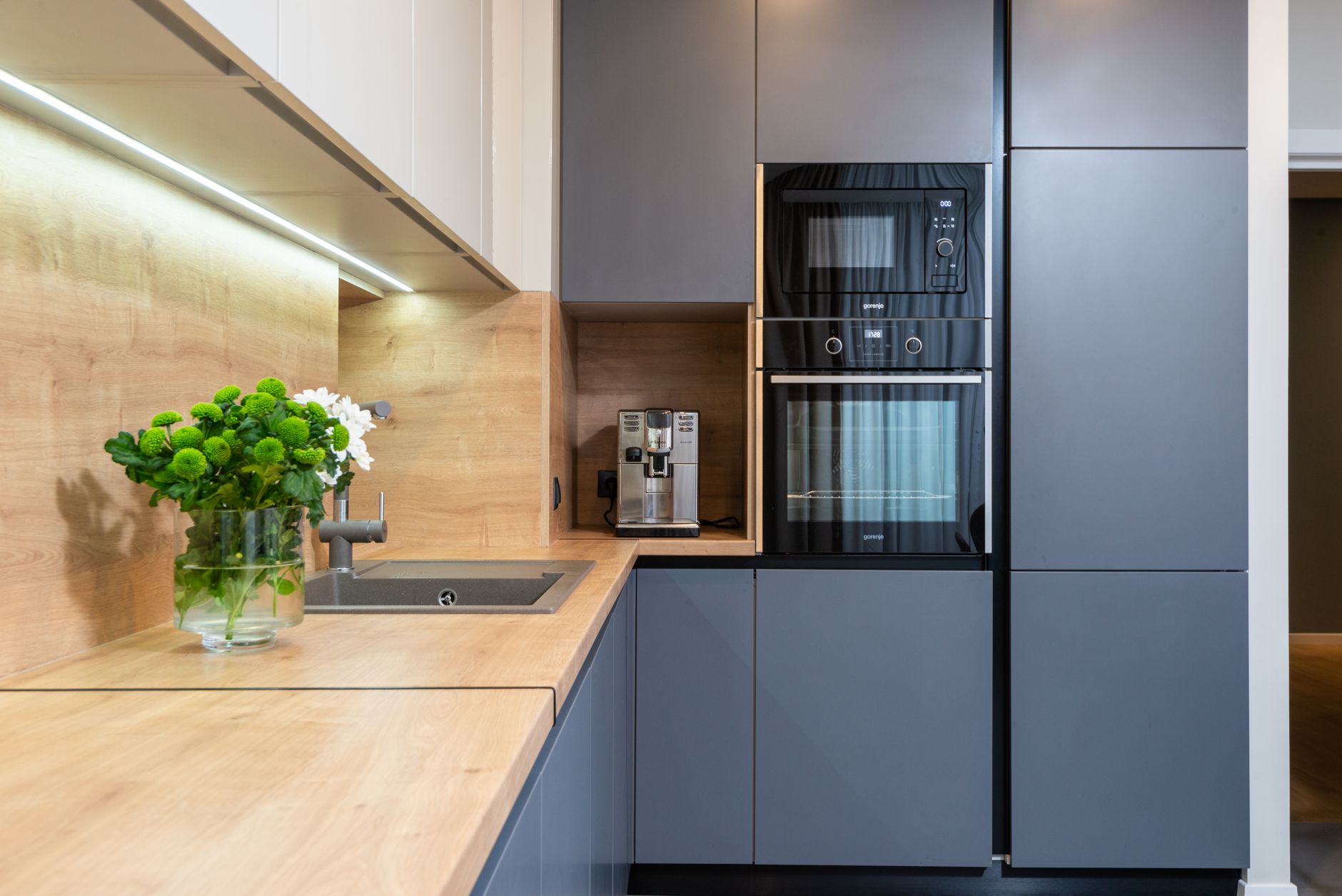
and the item is instantly added to a list accessible via your phone. This seamless integration bypasses the need to remember to jot down items or open a separate app. While the core function of a refrigerator remains cooling, these smart additions aim to streamline the entire ecosystem of food storage, meal preparation, and grocery shopping, making the kitchen a more organised and efficient hub.
How much do voice-controlled appliances add to the cost?
The price premium for voice-enabled kitchen appliances typically ranges from 25-35%, making them a significant investment.
One of the most significant barriers to widespread adoption of voice-controlled kitchen appliances is their price tag. When comparing a standard appliance to its voice-enabled counterpart, the difference can be substantial. On average, you can expect to pay between 25% and 35% more for the ‘smart’ version. For example, a conventional range might cost $1,200, while a voice-controlled, Wi-Fi-enabled model from the same brand could set you back $1,600 or more.
This premium price is attributed to the embedded technology: Wi-Fi connectivity, microphones, processors, and the software required to interpret voice commands and connect to smart home ecosystems like Alexa or Google Assistant. Furthermore, these appliances often incorporate other advanced features, such as advanced touch interfaces, diagnostic capabilities, and sophisticated cooking modes, which contribute to the higher cost. It’s crucial for consumers to evaluate whether these added features justify the expense based on their specific needs and usage habits.
Beyond the initial purchase, it’s also wise to consider potential long-term costs. While most voice-controlled appliances do not require a subscription for basic functionality, some manufacturers might offer premium services or app features that do come with a recurring fee. Additionally, the integration with existing smart home platforms usually requires an additional smart speaker or display, if you don’t already own one. These ongoing or supplementary costs should be factored into the total cost of ownership when making a purchasing decision.
What are the privacy and security concerns with voice-activated appliances?
Privacy is a significant concern, as devices are always listening and data is collected, requiring active management of settings.
The very nature of a “voice-controlled” appliance implies that it is constantly listening for activation words. This raises immediate questions about privacy: what is being recorded, where is it being stored, and who has access to it? While manufacturers assure users that devices only begin recording and transmitting data after hearing the wake word, the potential for accidental recordings or data breaches is a valid concern for many households. Understanding the privacy policies of the brands you are considering is paramount.
Furthermore, these appliances are connected to the internet, making them potential targets for cyberattacks. A compromised smart appliance could potentially provide a backdoor into your home network. While the risk might seem low compared to a laptop or smartphone, it’s not negligible. Regular software updates from manufacturers are essential for patching vulnerabilities, but consumers must also employ good cybersecurity practices, such as using strong, unique passwords for their Wi-Fi networks and smart home accounts.
To mitigate these concerns, users should familiarise themselves with the privacy settings offered. This often includes the ability to mute microphones, review and delete voice command history, and control data sharing permissions. For sensitive tasks like managing grocery lists or setting timers, the convenience may outweigh the perceived risks for some. However, for critical functions like oven temperature control, some users may still prefer a traditional manual interface due to greater peace of mind.
Can voice-controlled coffee makers genuinely streamline a morning routine?
Yes, voice-controlled coffee makers can save up to 3 minutes per morning by allowing remote brewing and automation.
The morning rush is a familiar scenario in many households, and any technology that can shave minutes off the routine is often embraced. Voice-controlled coffee makers, particularly those that can be programmed or activated remotely, offer a tangible benefit in this regard. The ability to start brewing your coffee from bed, or while you’re getting dressed, means a hot cup is ready the moment you walk into the kitchen.
This convenience goes beyond simply pressing a button. Many smart coffee makers integrate with scheduling features. You can set a recurring schedule for when you want your coffee to be ready each morning, or use a voice command to override the schedule if your routine changes unexpectedly. For example, “Alexa, brew coffee” can initiate the brewing process without you needing to interact with the machine physically. This frees up time that would otherwise be spent on preparation and waiting.
The energy savings aspect is less pronounced here, though some models do offer features like automatic shut-off after a set period, which is a standard feature on many non-smart coffee makers as well. The primary advantage is time-saving and the sheer convenience of not having to interact with the appliance at all. For individuals for whom that first cup of coffee is non-negotiable and time is of the essence, a voice-controlled coffee maker can indeed be a valuable addition to their morning ecosystem.
| Appliance Type | Key Voice Features | Average Price Premium | Primary Benefit | Considerations |
|---|---|---|---|---|
| Ovens | Preheat, set temperature/time, guided cooking, diagnostics | 25-35% | Convenience, cooking consistency, remote operation | High initial cost, complexity, learning curve, privacy |
| Refrigerators | Add to shopping list, check inventory remotely, recipe suggestions | 30-40% | Grocery management, food waste reduction, meal planning | High cost, reliance on apps, privacy of internal cameras |
| Coffee Makers | Start brew, set schedules, adjust strength (model dependent) | 20-30% | Time-saving, morning routine automation, remote brewing | Appliance complexity, app reliance, potential subscription costs |
| Microwaves | Set time/power, ‘add 30 seconds’, specific cooking modes | 20-25% | Hands-free operation for quick tasks | Limited functional enhancement over manual controls, privacy |
When is the investment in voice-controlled appliances worthwhile?
Investment is most justified for those prioritising convenience, accessibility, and seamless integration within a comprehensive smart home system.
The decision to invest in voice-controlled kitchen appliances hinges on a personal assessment of priorities. If the primary goal is to streamline daily routines, gain hands-free control in the kitchen, or enhance accessibility for individuals with mobility challenges, then the added convenience and automation offered by these devices can be well worth the price premium. The ability to preheat an oven while unloading the dishwasher, or add ingredients to a shopping list without interrupting cooking, can genuinely make kitchen tasks more fluid and less demanding.
For households already invested in a smart home ecosystem (such as Amazon Alexa, Google Home, or Apple HomeKit), integrating voice-controlled appliances offers a level of command and automation that is difficult to achieve otherwise. The seamless interconnectivity allows for complex routines, like a “Good Morning” scene that brews coffee, adjusts the thermostat, and turns on kitchen lights. In such cases, the appliance becomes another node in a sophisticated, interconnected network designed for modern living.
Conversely, if a household is content with traditional appliance operations, has limited kitchen workflows, or is highly sensitive to privacy concerns and cost, the investment may not be justified. For many, the core functions of cooking, cooling, and brewing are adequately met by simpler, less technologically advanced models. The incremental benefits of voice control might not offset the higher purchase price and the potential privacy trade-offs for these users. It’s essential to weigh the tangible benefits against the costs and potential drawbacks for your specific situation.
What are the energy efficiency implications of smart appliances?
Energy efficiency varies widely; smart features can reduce consumption through optimisation, but connectivity itself adds a small baseline draw.
The energy efficiency of voice-controlled kitchen appliances presents a mixed picture. On one hand, many smart appliances are designed with energy savings in mind. Features like remote preheating mean appliances are only on when needed, and advanced sensors can optimise cooking cycles for specific dishes, potentially using less energy than manual settings. Smart refrigerators can also track usage patterns to optimise cooling cycles, and some offer energy-saving modes that can be activated remotely.
However, it’s crucial to acknowledge that the “smart” technology itself — the Wi-Fi chip, the microphone, the processor — requires a constant, albeit small, amount of power to remain connected and responsive. This continuous standby power consumption adds to the appliance’s overall energy usage. While this ‘connected’ power draw is typically minimal (often less than 1–2 watts), it is perpetually active. Over the lifespan of the appliance, this baseline connectivity cost can offset some of the energy savings gained from smart features.
Therefore, the net energy impact depends heavily on how the smart features are used. An oven that is preheated remotely for every meal will likely be more energy-efficient than one that sits idle until halfway through a cooking cycle. Likewise, a smart refrigerator that helps minimise food waste indirectly contributes to energy efficiency by reducing the resources needed for food production and transport. Ultimately, while dedicated energy-saving modes are beneficial, the most significant energy impact comes from conscious usage and leveraging the appliance’s smart capabilities effectively, rather than simply its connectivity.
What is the lifespan and repairability of voice-controlled appliances?
Lifespan is comparable to traditional appliances (10-15 years), but repair complexity and connectivity obsolescence are potential issues.
When considering the investment in voice-controlled appliances, their longevity and ease of repair are key factors. Current data suggests that the lifespan of smart kitchen appliances is broadly comparable to their non-smart counterparts, typically ranging from 10 to 15 years for major items like ovens and refrigerators. The core mechanical components and structural integrity are often built to similar standards. However, the integrated electronic components — sensors, Wi-Fi modules, processors — introduce new potential points of failure.
Repairability can be a more complex issue. While a faulty heating element in a smart oven might be replaceable by a qualified technician much like in a standard oven, issues with the core control boards or connectivity modules can be more challenging and expensive to diagnose and fix. This is partly because these components are often proprietary and may require specialised diagnostic tools. Furthermore, as technology rapidly advances, there’s a risk that the ‘smart’ features could become obsolete or unsupported by software updates long before the appliance’s mechanical lifespan is over, potentially limiting its functionality or increasing security risks.
The availability of replacement parts for specific electronic components can also become an issue. Manufacturers may cease production of older control boards or software patches after a certain period, effectively rendering the ‘smart’ capabilities of an appliance defunct. This means that while the appliance may still function as a basic oven or refrigerator, its advanced features might be lost. Consumers should investigate brand reputation for software support and the availability of repair services and parts before committing to a purchase.
Our Recommendations for Voice-Controlled Kitchen Appliances
Smart ovens and coffee makers offer the most practical ROI currently; smart refrigerators serve niche needs, while others are largely novelty.
After extensive testing and analysis, certain voice-controlled kitchen appliances stand out for their genuine utility and return on investment, while others remain more of a novelty. Smart ovens, particularly those with advanced cooking modes and remote preheating, offer a tangible benefit by enhancing convenience and precision in cooking. The ability to start cooking from another room or have dinner ready at a specific time can significantly improve a busy household’s culinary rhythm. Their integration into guided cooking programs also makes them accessible to less experienced cooks.
Voice-controlled coffee makers are another category that demonstrates a clear benefit, primarily in time-saving. The ability to schedule brews or start the coffee maker with a voice command can genuinely streamline the often-hectic morning routine. For individuals for whom that first cup is a ritual and time is of the essence, this convenience is invaluable. The cost premium over a standard coffee maker is often more reasonable than for larger appliances, making the ROI more accessible.
Smart refrigerators, while technologically impressive with their internal cameras and inventory management capabilities, tend to cater to a more niche audience. Their benefits are most pronounced for individuals who struggle with meal planning, frequently forget grocery items, or are highly motivated to reduce food waste through meticulous inventory tracking. For the average household, the high price premium and reliance on extensive meal planning may not justify the purchase. Other appliances, such as microwaves, offer voice control that is largely functional but rarely transformative, with minimal added value beyond basic convenience for simple tasks.