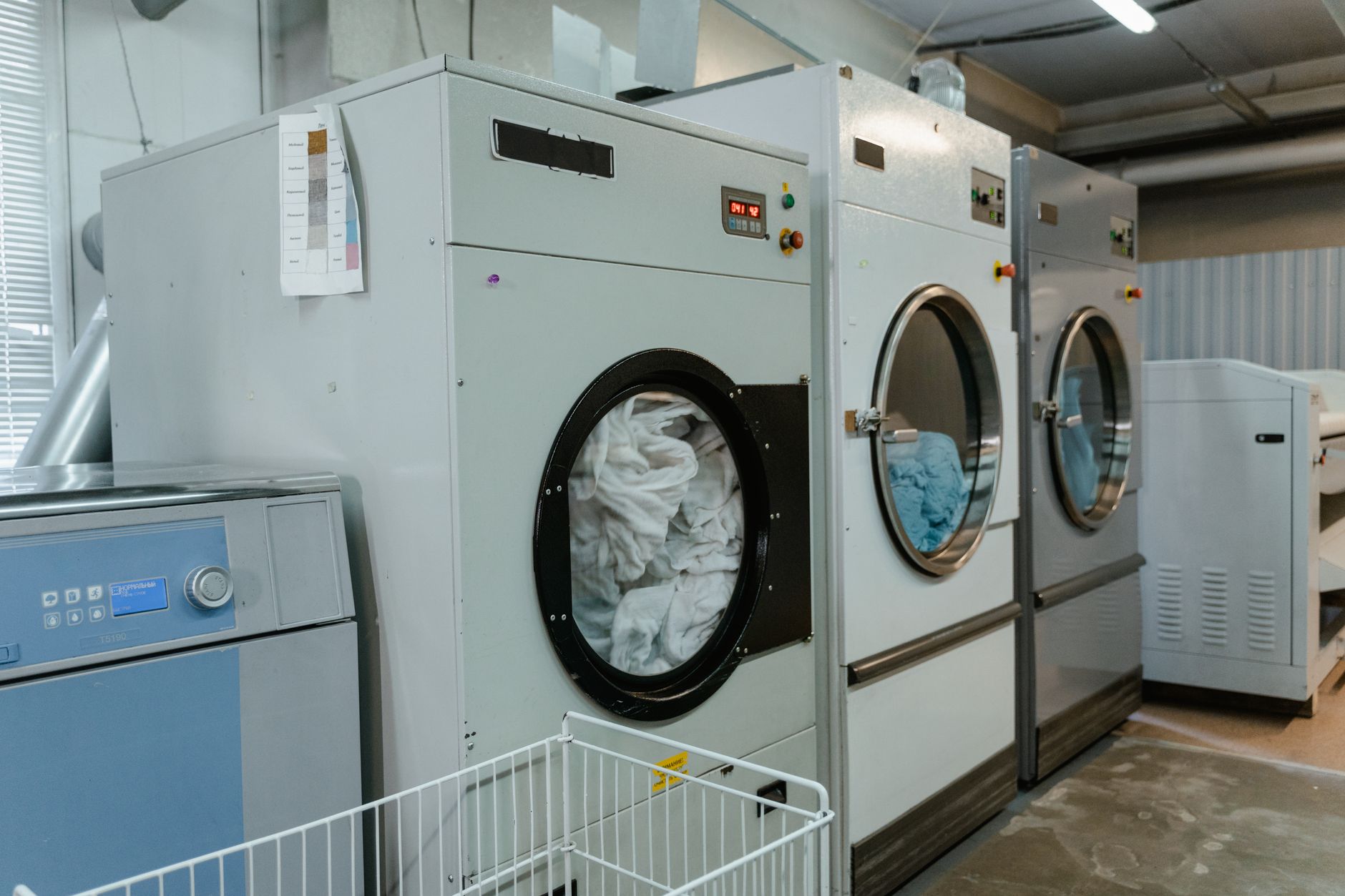
In the United States, we call them clothes dryers, while in the UK and elsewhere, they are tumble dryers; functionally, they are the same type of machine. Both use heated air and mechanical rotation to extract moisture from fabrics, though the terminology often confuses homeowners browsing global appliance markets.
⚡ In a Rush? Key Takeaways
- A tumble dryer and a standard American clothes dryer are technically the same appliance.
- Heat pump dryers use 50-70% less energy than standard vented electric dryer models.
- The average lifespan of a modern dryer is 10 to 13 years with consistent maintenance.
- Replacing an inefficient 15-year-old dryer can save ~$50 annually in energy costs.
- ✅ Choose a heat pump model if long-term energy savings are your primary goal.
What Is the Practical Difference Between Tumble Dryers and Standard Dryers?
There is no technical difference between them. The term tumble dryer is common in the UK, while the US market uses the label clothes dryer.
Why do we use different names for the same appliance?
Regional linguistic habits dictate the naming, but the internal mechanism of rotating a drum while blowing hot air remains identical.
When you shop for a tumble dryer in the UK, you are browsing the same technology found in an American home centre. Both rely on a heating element, a blower, and a rotating drum to force moisture out of your laundry.
However, the internal engineering has diverged significantly in the last decade. While American homes still rely heavily on vented electric or gas models, the European and global markets have shifted toward heat pump technology for better home energy efficiency.
- Standard Vented: Blows hot, humid air directly outside through a duct.
- Condenser: Extracts water and collects it in a tray or drains it.
- Heat Pump: Recycles air within a closed loop to reduce electricity draw.
Are tumble dryers being phased out in favour of newer tech?
Conventional vented dryers are seeing reduced market share as strict energy regulations favour high-efficiency heat pump technology.
It is not that tumble dryers are vanishing, but rather that the design is evolving to meet higher standards. In many regions, regulations have made it difficult to sell energy-hungry vented units, pushing consumers toward heat pump alternatives.
These modern units are kinder to textiles as they dry at lower temperatures. This is a significant factor in laundry care, as lower heat helps maintain the integrity of fibres over hundreds of cycles.
| Feature | Vented Dryer | Heat Pump Dryer |
|---|---|---|
| Energy Use | High (3.0-5.0 kWh) | Low (1.0-1.5 kWh) |
| Installation | Requires outside duct | No ducting required |
| Drying Speed | Fast | Slower |
How Much Does It Actually Cost to Run a Tumble Dryer?
An average electric tumble dryer costs $0.40 to $0.70 per cycle, whereas heat pump models can reduce that cost to below $0.20 per run.
What factors influence the monthly energy bill?
Factors include your regional electricity rate, the appliance’s age, and how often you clean the lint filter and condenser unit.
Every time you run a load, you are paying for the energy required to heat the air and spin the drum. If your filter is clogged, the machine must work significantly harder, leading to higher electricity consumption and longer cycle times.
Maintenance is the most overlooked aspect of home maintenance. A clean filter ensures optimal airflow, allowing the machine to complete the cycle efficiently without drawing excessive power from your grid.
Is the most reliable tumble dryer brand worth the premium?
Reliability data consistently favours brands like Miele and Bosch, though the higher initial cost requires years to recoup through savings.
Reliable brands often feature superior sensors that prevent over-drying. Over-drying is a hidden cost; it pulls electricity for no reason and causes unnecessary wear on your clothing fibres.
- Check for models with moisture-sensing shut-offs.
- Investigate repair accessibility in your local area before buying.
- Look for five-year warranty bundles that cover parts and labour.
Do smart features add value to a tumble dryer?
Wi‑Fi enabled dryers let you start, stop, and monitor cycles from a smartphone, and can send maintenance alerts.
Many modern heat pump models now include app integration that shows remaining time, energy usage, and recommends optimal cycles based on load size. These features can help avoid over‑drying and reduce wasted electricity, though the convenience comes at a higher upfront price.
If you value remote control and diagnostic alerts—especially useful for busy households—look for models with compatible apps and consider whether the potential energy savings from better cycle management justify the extra cost.
Frequently Asked Questions About Tumble Dryers
-
What is a tumble dryer called in America?
It is called a clothes dryer or simply a dryer in the United States, though tumble dryer is understood by most appliance retailers.
-
Why do some dryers require vent hoses and others do not?
Vented dryers require a hose to exhaust moisture outside, while condenser and heat pump models collect moisture in an internal reservoir.
-
What is the most energy-efficient drying method?
Air drying on a rack or clothesline is the most efficient, followed by heat pump dryers, which use significantly less power than vents.
-
Can I replace an old dryer with a heat pump model easily?
Yes, as heat pump models do not require external venting, they can be placed anywhere in a home with a standard power outlet.
-
How long should a modern tumble dryer last?
With regular maintenance of filters and sensors, a modern, well-built tumble dryer should last between 10 and 13 years of use.
Common concerns involve sizing, regional terminology differences, and the energy implications of switching from old to new models.