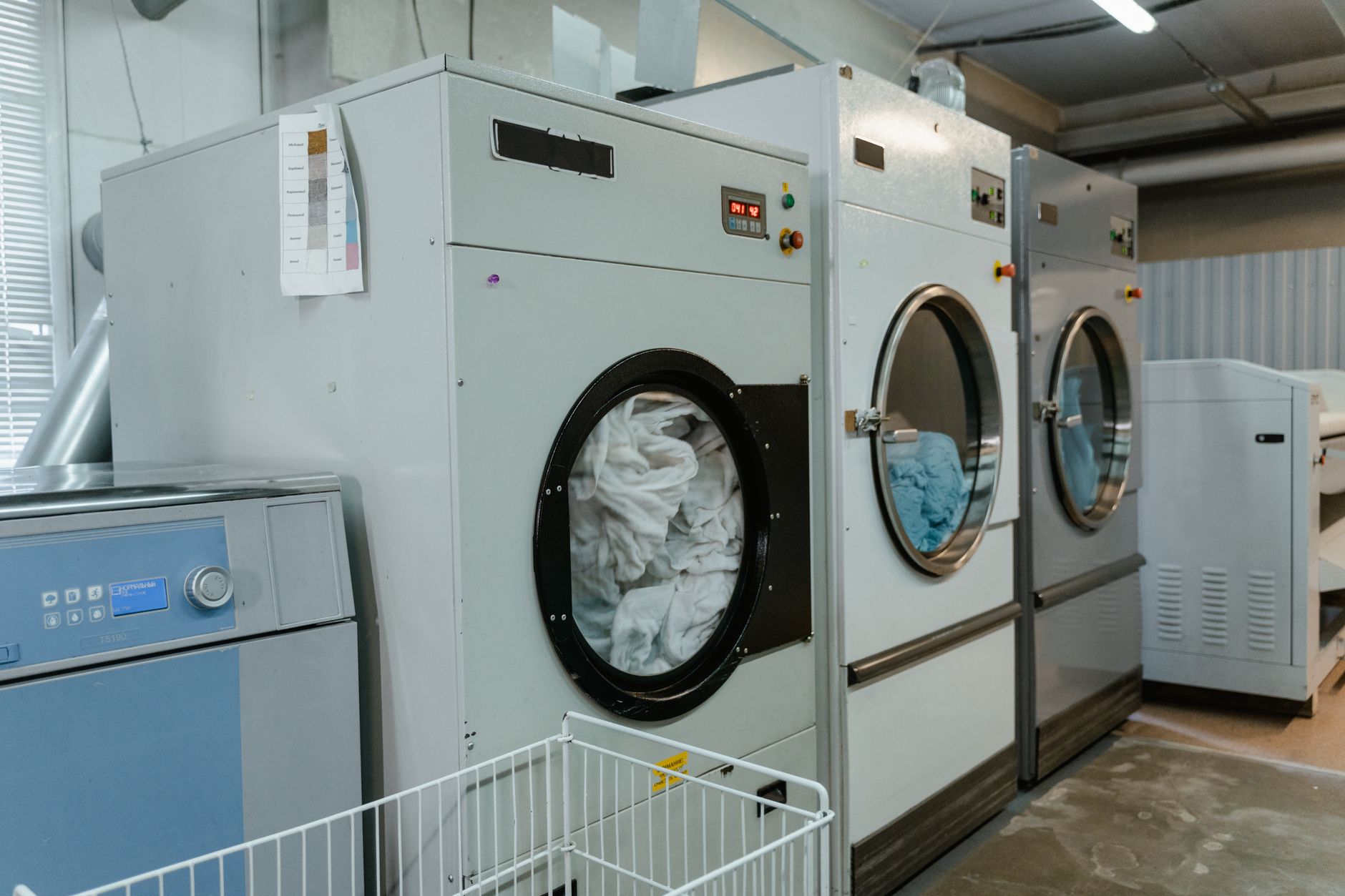
A tumble dryer is an appliance that uses heated air and constant rotation to remove moisture from textiles, referred to in the United States almost exclusively as a clothes dryer. While the mechanics of the machine remain the same across borders, the nomenclature and specific energy-efficiency standards reflect different market expectations and infrastructure.
⚡ In a Rush? Key Takeaways
- Traditional vented dryers use 4–5 kWh per full drying cycle on average.
- Heat pump technology can reduce per-cycle energy consumption by over 60%.
- Over 80% of US households currently own and operate a standard clothes dryer.
- Choosing a high-efficiency model can save approximately $80 in annual electricity costs.
- ✅ For most homes, a high-efficiency heat pump dryer offers the best long-term value.
Why are tumble dryers called clothes dryers in the United States?
Americans use the term clothes dryer because it directly describes the primary function of removing moisture from garments via heat.
Is there a technical difference between a tumble dryer and a clothes dryer?
There is no technical difference between these terms as both refer to machines that rotate clothing in a drum while circulating hot air.
The distinction is entirely linguistic rather than mechanical. In the UK and parts of Europe, the word “tumble” identifies the specific action of the drum, whereas American English prioritizes the end result of the process.
Regardless of the name, these machines function by drawing in ambient air, heating it through electrical coils or gas burners, and pushing it through the rotating drum. Understanding your laundry efficiency starts with recognizing that these labels are interchangeable.
Are these machines being phased out in favour of other drying methods?
Dryers are not being phased out, but market standards are shifting toward heat pump models that meet stricter energy efficiency codes.
Regulators are not banning dryers, but they are tightening energy performance requirements for new appliances. Traditional vented units are less common in new construction due to their high energy waste.
Most manufacturers are pivoting to heat pump technology, which recirculates air rather than venting heat outside. This shift is critical for homeowners looking to reduce their monthly home running costs.
What should you look for when choosing a new dryer?
Prioritize drum capacity, sensor-drying technology, and heating type to balance upfront costs with long-term energy performance.
Why does heating technology impact your monthly bills?
Electric heating coils consume significantly more energy per cycle than heat pump systems that recycle warm air throughout the process.
| Type | Energy Use per Cycle | Annual Cost Estimate |
|---|---|---|
| Vented Electric | 4.5 kWh | $180–$220 |
| Gas Dryer | 2.0 kWh | $80–$110 |
| Heat Pump | 1.8 kWh | $60–$90 |
How do moisture sensors protect your clothes and your budget?
Sensor-drying prevents over-drying by automatically stopping the cycle when clothes are dry rather than running on a timed schedule.
Basic models often rely on simple timers, which keep the drum spinning long after the load is dry. This wastes electricity and wears down fabric fibers prematurely.
Always opt for a machine with moisture-sensing probes. They ensure the machine stops at the exact moment the load hits your preferred dryness level.
What are the most effective ways to maintain your machine?
Clean the lint screen after every single load and clear the exhaust vent annually to prevent fire risks and improve drying speed.
Why is cleaning the vent critical for machine safety?
Lint accumulation restricts airflow, forcing the heating element to work harder and creating a major fire risk within the machine.
Ignoring vent maintenance is the leading cause of dryer-related house fires. A restricted vent also doubles the time it takes to dry a standard load of laundry.
If you find that your clothes are still damp after a full cycle, the vent is the first thing you should check. Keeping your home maintenance systems in order prevents costly appliance repairs.
How often should you inspect the drum and seals?
Inspect the door seal annually for gaps and check the drum for rough spots that could snag delicate fabrics during the spin cycle.
- Clear the lint trap before every cycle start.
- Vacuum behind the unit to remove dust buildup.
- Inspect the exterior vent hood for outdoor debris.
- Listen for unusual squeaking sounds during operation.
Frequently Asked Questions
-
What percentage of US households own a clothes dryer?
Approximately 80 to 85 percent of American households own at least one clothes dryer, making it a standard appliance in most homes.
-
Are gas dryers cheaper to run than electric dryers?
Gas dryers are generally cheaper to operate in areas where natural gas prices remain low compared to standard electric utility rates.
-
How long should a quality dryer last?
A well-maintained dryer typically lasts between 10 and 13 years before requiring significant repairs or a full unit replacement.
-
Environmental Impact of Tumble Dryers
Tumble dryers can have a significant environmental impact due to their high energy consumption and greenhouse gas emissions.
The production of tumble dryers also requires the use of resources such as steel, copper, and plastic, which can contribute to environmental degradation. Additionally, the disposal of old tumble dryers can lead to electronic waste and pollution. To mitigate these effects, it’s essential to choose an energy-efficient model, maintain it properly, and consider eco-friendly alternatives like air drying or line drying.
Some manufacturers are now producing eco-friendly tumble dryers that use advanced technologies to reduce energy consumption and minimize waste. These models often feature smart sensors, heat pump systems, and recyclable materials. As consumers become more environmentally conscious, the demand for eco-friendly tumble dryers is expected to grow, driving innovation and sustainability in the industry.
| Feature | Traditional Dryer | Eco-Friendly Dryer |
|---|---|---|
| Energy Consumption | 4.5 kWh per cycle | 1.5 kWh per cycle |
| Greenhouse Gas Emissions | 2.5 kg CO2 per cycle | 0.5 kg CO2 per cycle |
| Material Usage | Steel, copper, plastic | Recyclable materials, minimal packaging |