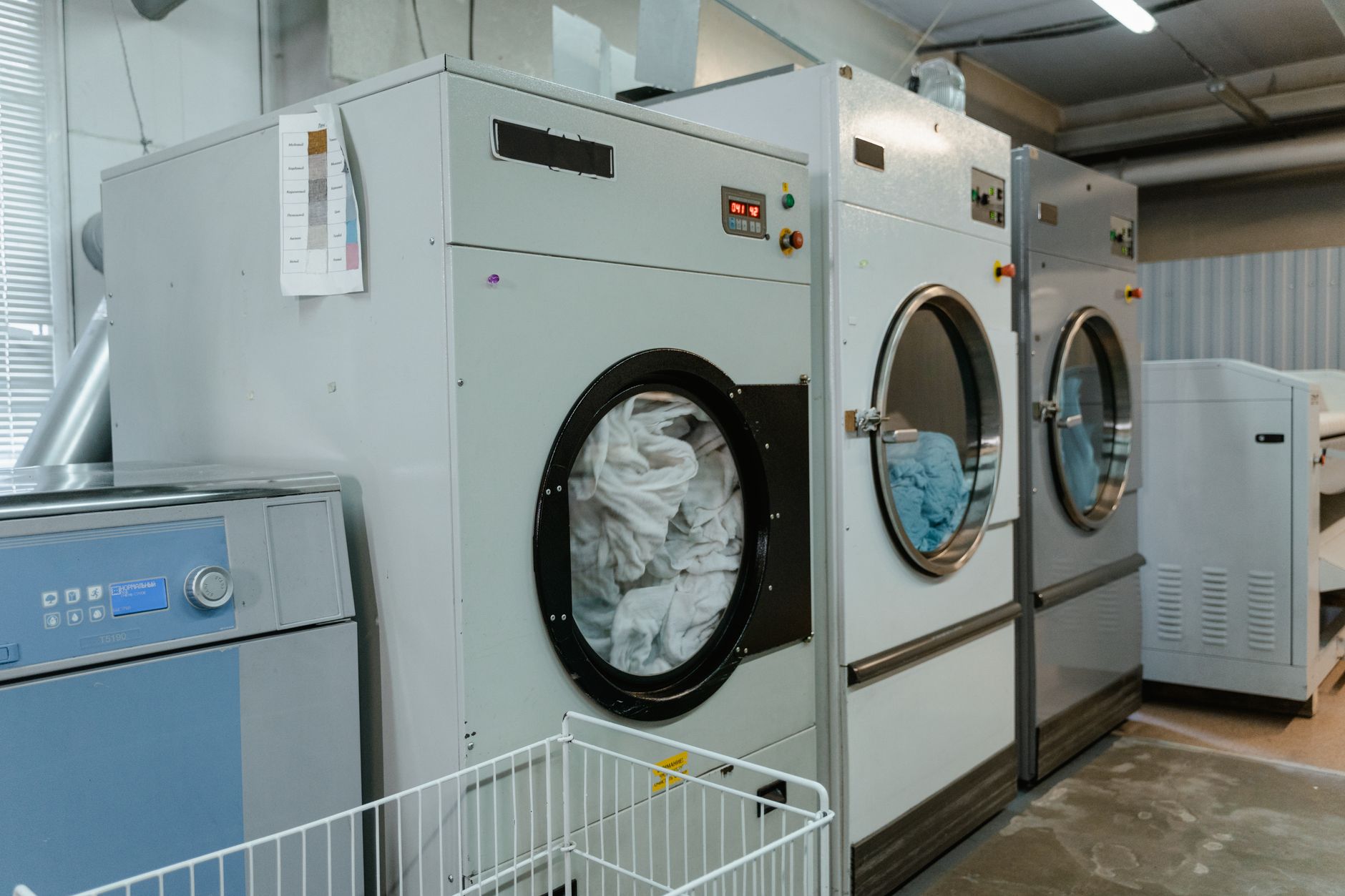
A tumble dryer is a laundry appliance that dries clothing by rotating wet items in a heated drum, known in the United States almost exclusively as a clothes dryer. While the terminology varies, the mechanical process—using heat, air circulation, and a rotating basket to evaporate moisture—is identical across both labels.
For more detail, see our guide on tumble dryer cost per load uk 2026.
⚡ In a Rush? Key Takeaways
- Standard vented dryers consume roughly 3–5 kWh per cycle, depending on efficiency.
- Heat pump technology can reduce per-cycle energy consumption by over 50%.
- Approximately 80% of American households currently own a dedicated clothes dryer.
- Most US models are electric or gas, whereas European tumble dryers are often condensing.
- Recommendation: Choose a heat pump model if you plan to dry laundry 4+ times weekly.
Why Are Tumble Dryers Called Clothes Dryers in America?
The term tumble dryer is a technical international description, while the American label clothes dryer focuses on the primary functional result.
Is there any mechanical difference between the two?
No, both machines tumble wet garments within a heated drum to remove moisture, and the internal components are essentially the same.
You will find that manufacturers use the terms interchangeably in international product manuals. The underlying mechanics—a motor, a heating element, and a blower fan—remain constant regardless of the regional name.
If you are shopping for a new appliance, look for the technical designation rather than the regional vernacular. The functional difference usually lies in the venting system rather than the label on the control panel.
How does an American clothes dryer compare to European models?
American dryers typically use high-heat vented systems, while European tumble dryers frequently use closed-loop condensing technology.
In the US, most laundry rooms are built with external exhaust ducts. This allows for simple, high-heat vented dryers that exhaust moist air directly outdoors.
Conversely, many urban markets favor condensing or heat pump units. These recycle the air internally, which is more energy-efficient but requires different maintenance routines, such as emptying water reservoirs.
Are Tumble Dryers Being Phased Out?
Tumble dryers are not being phased out, but they are undergoing strict energy-efficiency mandates to lower household electricity demand.
Why is there increased scrutiny on dryer energy consumption?
Clothes dryers are among the most electricity-intensive appliances in the home, often rivaling large air conditioning units in usage.
Because heating air requires a significant amount of electricity, policymakers have prioritized dryer efficiency. Newer standards encourage manufacturers to move away from inefficient heating coils.
You can improve your own home energy efficiency by opting for models that use sensors to detect moisture levels rather than relying on timed drying.
What is the future of drying technology in US homes?
Future trends favor heat pump technology, which eliminates the need for external venting and dramatically reduces total electricity usage.
Heat pumps operate by circulating air through an evaporator and condenser, stripping moisture without the massive heat waste of traditional models. While the upfront cost is higher, the long-term utility savings are substantial.
| Dryer Type | Relative Energy Cost | Maintenance Level |
|---|---|---|
| Vented Electric | High | Low |
| Gas | Moderate | Low |
| Heat Pump | Low | Medium |
How Do I Choose the Best Tumble Dryer?
Selecting the right dryer requires balancing your available power supply, physical space, and the specific energy requirements of your home.
What should you consider before purchasing?
Evaluate your existing laundry area for hookups, ensuring you choose between gas or electric based on your home’s current utility setup.
- Check for 240V outlets if you are installing an electric unit.
- Verify the width of your laundry room door and space constraints.
- Decide if you need a compact portable unit or a full-sized drum.
- Consider the cost of professional installation versus basic delivery.
Which features actually improve laundry workflow?
Features like moisture sensors, steam cycles, and anti-wrinkle tumble settings provide the most tangible benefit to your laundry systems.
If you manage a busy household, focus on machines that allow for large capacity loads. This efficiency reduces the number of cycles required per week, which is the most effective way to lower operating costs.
Maintenance Tips to Extend Dryer Life
Regular cleaning of the lint filter, vent ducts, and drum seals keeps airflow optimal and reduces fire risk.
After each cycle, remove lint from the filter; a clogged filter forces the dryer to work longer, increasing energy use and wear. Every few months, vacuum the filter housing and inspect the exhaust vent for blockages—especially if you notice longer drying times or a musty smell.
Annually, consider a professional service to check the heating element, thermostat, and drum bearings; lubricate moving parts if recommended by the manufacturer. Proper maintenance not only prolongs the appliance’s lifespan but also maintains efficiency gains from heat‑pump or sensor‑driven models.
Frequently Asked Questions
-
What percentage of US households have a tumble dryer?
Roughly 80% of American households own a clothes dryer, making it a standard fixture in the modern domestic laundry setup.
-
Can I run a tumble dryer without an external vent?
Yes, you must purchase a condensing or ventless heat pump dryer, as traditional vented models require outdoor air exhaustion.
-
Is gas cheaper to run than electric?
Gas dryers typically have lower operating costs than electric models, though this depends entirely on local utility rates in your area.
-
What is the most energy-efficient drying option?
Heat pump dryers are currently the most efficient technology, consuming up to 50% less energy than standard vented electric dryers.