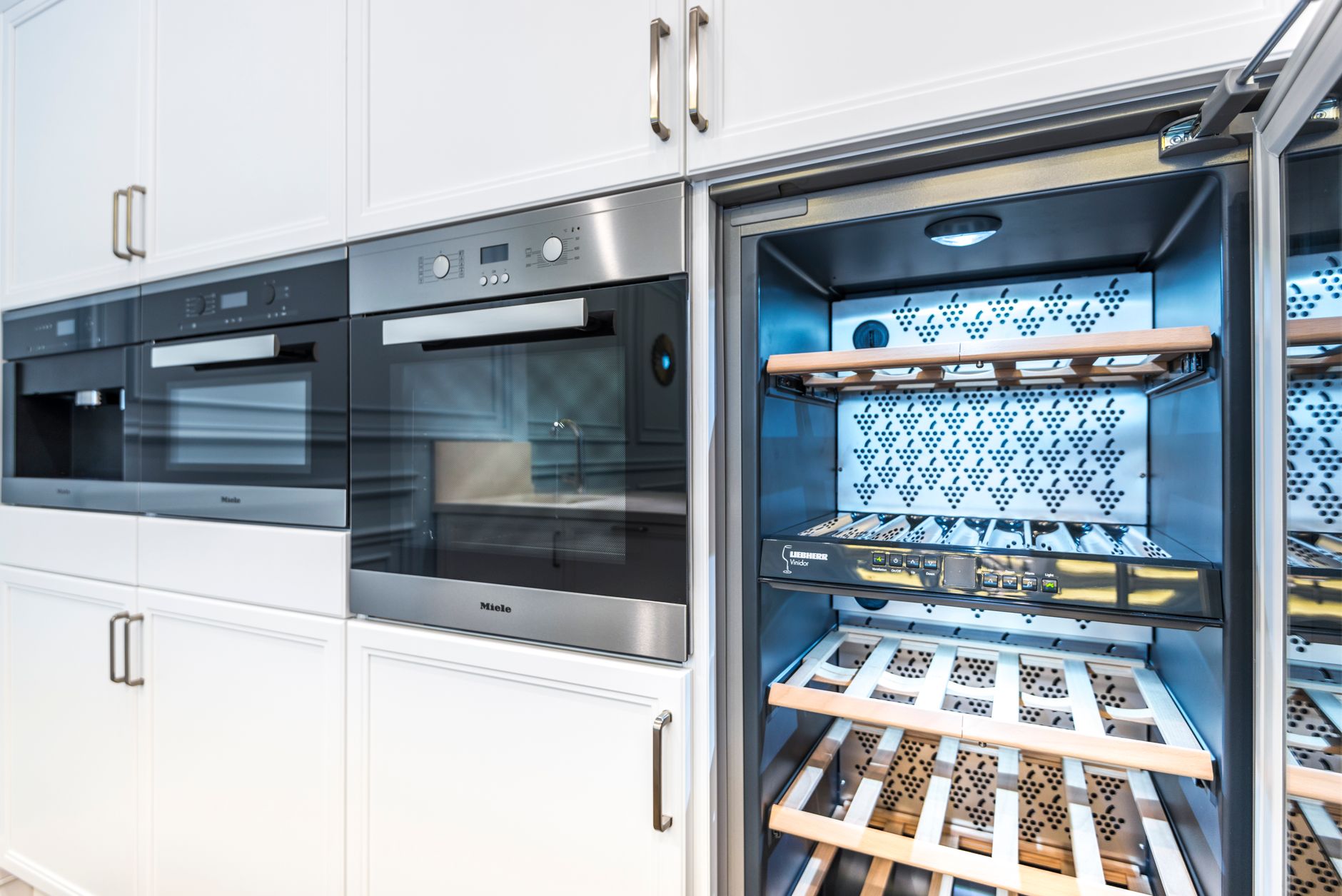
A wine cooler refers to either a specialized temperature-controlled refrigerator for aging and serving wine, or a sugary, wine-based beverage that was popular in the 1980s but largely faded from the US market by the mid-1990s. Understanding the distinction is essential to ensure you are searching for the correct product, whether you are looking to curate a home cellar or reminisce about a bygone cocktail era.
⚡ In a Rush? Key Takeaways
- A modern wine fridge consumes between 100 and 300 kWh of electricity annually.
- Beverage-style wine coolers mostly disappeared from US shelves after tax changes in 1991.
- Dedicated storage units maintain temperatures between 45°F and 65°F for optimal aging.
- ✅ Use an active cooling cabinet if you want to store wine long-term for peak flavor.
What Are Wine Coolers in the Modern American Market?
In the United States, a wine cooler is now a dedicated appliance designed to maintain precise temperatures for storing bottled wine.
Why Do Wine Collectors Use Specialized Cooling Units?
Wine requires consistent temperatures between 45°F and 65°F and controlled humidity to prevent cork drying and flavor oxidation.
Standard household refrigerators run at roughly 37°F, which is far too cold for wine. Long-term exposure to these temperatures can cause the wine to lose its nuance, while the fluctuating motor cycle of a standard fridge causes vibrations that can disturb the sediment in older bottles.
- Maintains a stable 55°F average for long-term storage
- Prevents ultraviolet light damage with UV-protected glass doors
- Reduces micro-vibrations that can damage delicate wine structures
- Regulates interior humidity to keep corks from shrinking
Are There Differences Between Single and Dual Zone Models?
Single zone coolers maintain one temperature for storage while dual zone units allow separate settings for white and red service.
A single zone cooler is ideal if you are aging wines for the long term or drinking mostly one style. If you enjoy hosting and need both reds and whites ready at ideal serving temperatures simultaneously, a dual zone unit is the more efficient choice.
| Feature | Single Zone | Dual Zone |
|---|---|---|
| Best For | Aging or one style | Serving multiple styles |
| Flexibility | Lower | Higher |
| Cost | More affordable | Premium pricing |
Why Are There No Beverage Wine Coolers Anymore?
The original 1980s wine cooler drink vanished from US shelves largely due to a significant federal tax increase enacted in 1991.
What Happened to the Popular Wine Cooler Drink?
The 1991 US tax hike on wine caused manufacturers to pivot toward malt-based beverages that were much cheaper to produce and tax.
The beverage was a blend of wine, fruit juice, and carbonated water that once accounted for nearly 20% of the US wine market. Once the tax structure changed, brands quickly transitioned into producing malt coolers, which eventually evolved into the seltzers and flavored malt beverages we see today.
- Original popularity peaked in the mid-1980s
- 1991 tax legislation forced a shift to malt bases
- Brand identity drifted into alcopops and hard seltzers
- The term ‘wine cooler’ became synonymous with appliances
Can You Still Buy Old-Fashioned Wine Cooler Drinks?
Very few authentic wine-based coolers exist today as most modern counterparts are now malt, grain alcohol, or spirit-based.
If you search for these products in 2026, you will mostly find canned cocktails or flavored malt beverages. If you truly crave the original experience, many home enthusiasts now create their own by mixing dry white wine with high-quality fruit juices and sparkling water. This allows for better control over sugar levels and ingredient quality compared to mass-market versions.
What Should You Look for When Buying a Wine Fridge?
When purchasing a cooling unit, prioritize noise levels, vibration damping, and accurate temperature management for your specific collection.
Does the Type of Cooling System Actually Matter?
Compressor-based coolers are powerful and efficient for larger collections, while thermoelectric units are quiet and vibration-free.
If you have a collection of only 12 to 24 bottles, a thermoelectric unit is excellent because it lacks moving parts that create vibration. For large-scale cellars, compressor units are necessary to maintain steady temperatures in varying room conditions, though they tend to be slightly louder.
- Thermoelectric: Best for small, quiet, vibration-free storage
- Compressor: Necessary for larger collections and high ambient heat
- Built-in: Designed for flush cabinet installation
- Freestanding: Requires airflow space around the sides and back
How Much Does a Quality Wine Cooler Cost in 2026?
Basic countertop models start around $150, while professional-grade, built-in dual zone units can reach $3,000 or more per installation.
Always remember that the cost of efficient appliance operation depends on your local energy rates. A larger unit will draw more power, so checking the energy rating is a key part of your buying intelligence process. If you are struggling with a hot kitchen environment, you might also consider improving your kitchen workflow to keep heat-generating appliances away from your delicate wine storage.
Frequently Asked Questions
-
Does anybody still make wine coolers?
Yes, appliance manufacturers continue to produce high-performance wine refrigerators, but the beverage category no longer exists.
-
What is the most popular wine cooler?
Popularity varies by size, but brands like Vinotemp and Avanti are frequently cited for reliable home storage solutions.
-
Are wine fridges better than standard refrigerators?
Wine fridges are essential because they maintain specific temperatures and humidity that standard fridges cannot provide.
-
Can a wine fridge ruin my wine?
Cheap units with poor temperature control or high vibration can damage wine, making quality and features worth checking.
Proper storage is an investment in your collection. Whether you are managing your home organisation systems or just starting a small wine rack, treating your bottles to the right environment ensures they age gracefully rather than spoiling prematurely.