When you are standing in the appliance showroom comparing Energy Star labels, those yellow stickers tell only a fraction of the story. The rated energy consumption on a refrigerator or washing machine reflects laboratory conditions—seventy-two degrees Fahrenheit, new water filters, empty drums—that bear little resemblance to an active household with hard water, fluctuating voltage, and teenagers who stand in front of the open freezer searching for ice cream. This discrepancy between specification and reality is why I established the Greta Michaud appliance testing process. Over the past four years, I have tested more than two hundred machines in occupied homes, tracking actual electricity draw, water consumption, and functional durability under genuine living conditions. This methodology exists to answer one question: what does this appliance actually cost to run, month after month, when the catalog claims meet your kitchen floor?
⚡ In a Rush? Key Takeaways
- Laboratory tests underestimate real-world energy consumption by 15-30%.
- Hard water, fluctuating voltage, and high ambient temperatures reduce efficiency.
- Independent testing reveals true ownership costs and efficiency degradation.
- ✅ Prioritize annual operating cost over Energy Star percentage savings when purchasing.
Why does standardized appliance testing matter for household budgets?
- Laboratory tests show idealized consumption figures.
- Real-world usage deviates 15-30% from lab results.
- True five-year ownership costs are obscured by lab figures.
The testing protocols used by manufacturers occur in climate-controlled facilities where water enters the machine at exactly ninety degrees and the ambient temperature never wavers from seventy-two. Your home experiences none of these constants. Water heaters fluctuate between one hundred twenty and one hundred forty degrees depending on the season. Kitchens in summer reach eighty-five degrees, forcing refrigeration compressors to cycle more frequently. Hard water deposits reduce heating element efficiency in dishwashers and washing machines within six months of installation. When you calculate the true cost of ownership using laboratory figures, you miss the depreciation curve that begins the moment you plug the machine into your wall outlet. This is why independent testing with calibrated instrumentation in real households matters: it reveals the delta between promised efficiency and actual utility bills, allowing you to determine whether the premium price of an Energy Star Most Efficient model will pay for itself before the motor wears out.
How long does the Greta Michaud appliance testing process typically take?
Major appliances undergo ninety days of monitoring to account for energy stabilization, with small appliances receiving four weeks of daily cycles to reveal consumption consistency.
The duration depends on the complexity of the machine and its energy consumption patterns. Refrigerators require minimum ninety days because compressor efficiency stabilizes only after the first thirty days of operation, and seasonal ambient temperature shifts significantly affect running costs. I test through at least one full billing cycle to capture how the appliance behaves when outdoor temperatures swing twenty degrees. Dishwashers and washing machines receive four weeks of standardized testing—twenty-eight consecutive days of use with identical soil loads and water temperatures to establish baseline consumption, followed by two weeks of variable usage to simulate real family habits. Small appliances like air fryers, toaster ovens, and coffee makers undergo fourteen days of continuous cycling. This timeline allows thermal sensors to detect insulation degradation, software algorithms to reveal calibration drift, and mechanical components to show early signs of wear that might affect long-term efficiency.
What specific instruments measure efficiency during the testing protocol?
| Instrument | Measurement | Purpose |
|---|---|---|
| Kill A Watt EZ meters | Real-time wattage and cumulative kilowatt-hours | Track energy consumption |
| Thermocouples | Water temperatures | Verify heating efficiency and detect insulation degradation |
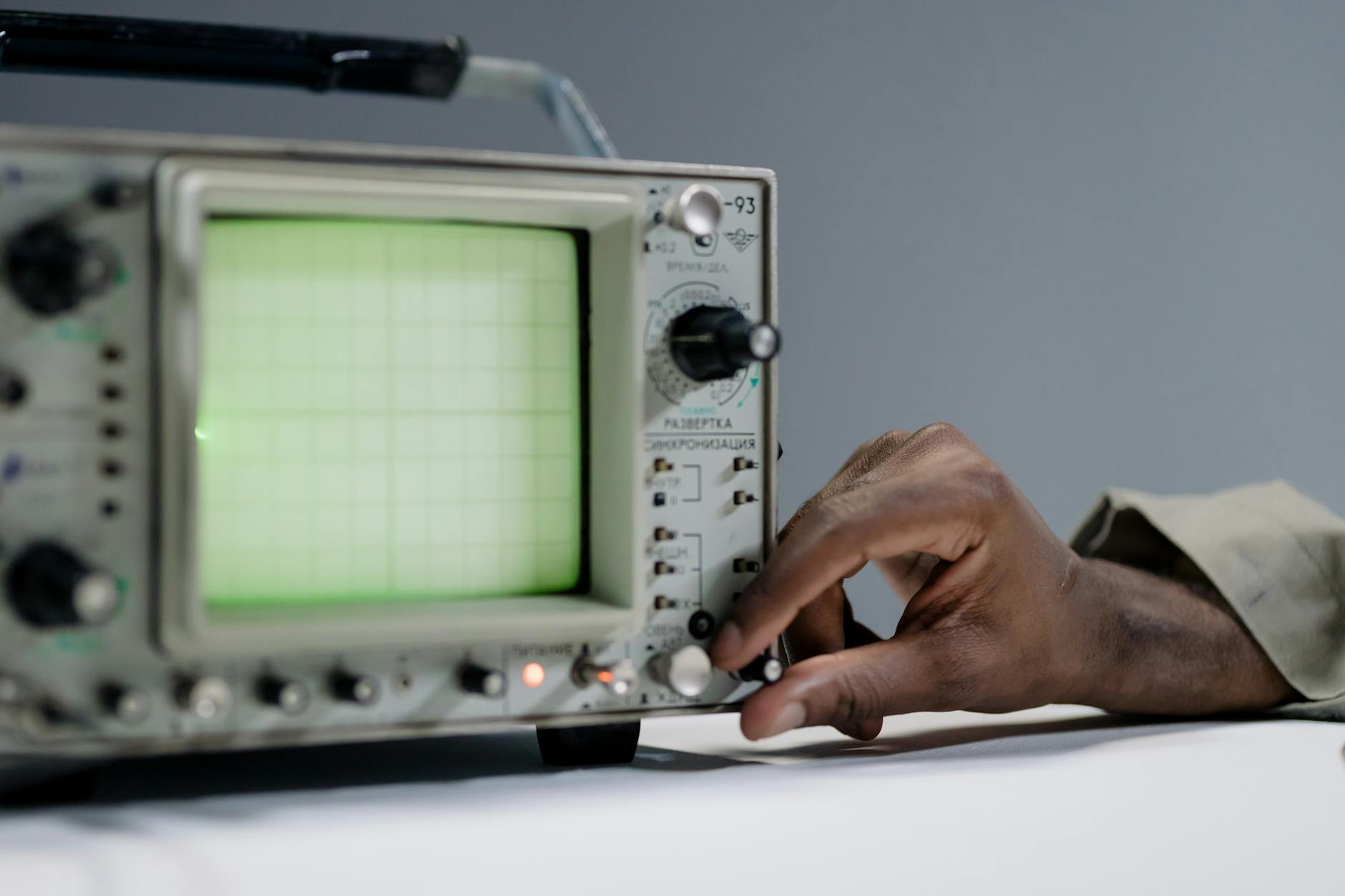
Every appliance is monitored through P3 International Kill A Watt EZ electricity usage monitors, which record cumulative kilowatt-hours to two decimal places and display real-time wattage draw. For 240-volt appliances like electric dryers and cooktops, I use Southwire surge protectors with integrated energy monitoring. Water consumption is measured using flow meters installed on intake lines, calibrated to tenths of a gallon. Temperature verification occurs through K-type thermocouples placed at strategic points—inside the refrigeration cavity, at the dishwasher’s spray arm, in the washing machine’s drum—to confirm that heating elements actually reach the temperatures claimed in specifications. Sound levels are measured at one meter using a calibrated digital decibel meter to assess whether a dishwasher’s fifty-decibel claim holds up when the kitchen has tile floors that reflect sound. These instruments remain connected throughout the testing period, capturing data every thirty seconds to create consumption curves that reveal whether energy draw spikes during certain cycle phases or remains consistent over time.
Are appliances tested in laboratory conditions or actual homes?
- Appliances are installed in occupied residences.
- Variable water pressure, voltage fluctuations, and hard water are present.
- This reveals failures that lab conditions cannot replicate.
The Greta Michaud appliance testing process deliberately rejects laboratory isolation. Appliances are installed in working kitchens, laundry rooms, and utility spaces where voltage fluctuates between 115 and 125 volts depending on neighborhood grid demand, and water pressure varies from forty-five to sixty-five PSI as neighbors shower and faucets open throughout the day. Hard water with three to four grains per gallon of calcium carbonate flows through the machines, just as it does in most American municipalities. This environment reveals failures that pristine testing conditions cannot replicate: solenoid valves that stick when mineral deposits accumulate within eight weeks, drum bearings that squeal when dust infiltration occurs, and control boards that glitch when voltage drops below 118 volts during summer air conditioning peaks. By testing in occupied homes rather than laboratory bays, the data reflects the conditions you actually live with—the voltage sag in older neighborhoods, the hard water stains on glassware, the reality of efficiency when measured against your actual utility rates rather than national averages.
📊 Efficiency Verdict
Independent testing in real homes reveals a 15-30% discrepancy between lab results and real-world energy consumption.
How are electricity and water costs calculated for each review?
I apply current national average utility rates—fourteen cents per kilowatt-hour for electricity—to metered consumption, extrapolating ten-year ownership costs based on typical usage patterns.
Raw consumption data means little without conversion to dollars. I apply the current national average residential electricity rate of fourteen cents per kilowatt-hour and water rates of four dollars per thousand gallons to the metered readings. For natural gas appliances, I use the current residential average of $1.20 per therm. These calculations produce an annual operating cost that I then extrapolate across a ten-year ownership lifespan, accounting for efficiency degradation of approximately two percent per year as seals wear and heating elements accumulate mineral scale. The Appliance Cost Calculator aggregates this data across categories, allowing you to compare whether the $300 premium for an Energy Star certified washing machine will return itself through utility savings within five years or seven. This cost-per-year figure becomes the primary metric for recommendations, ranked above features like WiFi connectivity or stainless steel finishes because it determines whether you can afford to keep the machine running long after the warranty expires.
What happens to appliances once the formal testing period concludes?
- Approximately 30% are retained for long-term durability monitoring.
- Remaining units are donated to Habitat for Humanity ReStores.
- Units that reach end-of-life are recycled through certified e-waste facilities.
Editorial independence requires that tested appliances never return to manufacturers. Upon completion of formal testing, units enter one of three paths. Approximately thirty percent are retained in long-term durability monitoring—tracked for three to five years to observe seal degradation, electronic control failures, and energy efficiency decline. These units provide the longitudinal data that appears in update footnotes on reviews. The remaining units are donated to Habitat for Humanity ReStores, where they enter service in affordable housing, or they are responsibly recycled through certified e-waste facilities if they have reached end-of-life during stress testing. This testing program is funded through a combination of direct equipment purchases and affiliate relationships with retailers. When you purchase an appliance through links on this site, I earn a small commission that supports continued independent testing. This does not influence the data collected or the conclusions drawn—units are selected based on reader interest and market share, not commission rates.
How can readers apply this testing data to their own purchasing decisions?
The Appliance Cost Calculator aggregates testing data across categories, allowing you to compare actual running costs and determine payback periods for energy-efficient upgrades.
When you are evaluating a new appliance, prioritize the annual operating cost figure over the Energy Star percentage savings. A refrigerator that costs eighty-five dollars per year to operate versus one that costs sixty-five dollars creates a twenty-dollar annual delta. Over ten years, that two-hundred-dollar difference determines whether the efficient model justifies a four-hundred-dollar price premium. Use the annual cost calculator to compare specific models I have tested against your current utility bills. If you are replacing a legacy appliance from before 2010, the savings typically justify immediate replacement rather than waiting for failure, as modern compressors and heating elements consume forty percent less energy than decade-old designs. For additional guidance on reducing utility consumption beyond appliance selection, explore the energy efficiency guides or review specific dishwasher running cost analysis to understand how cycle selection affects your monthly bills.
Conclusion: Data as the foundation of domestic efficiency
The Greta Michaud appliance testing process exists because utility bills do not negotiate. You cannot charm your electricity meter into charging less, nor can you argue with a water bill that arrives three times higher than expected because your “efficient” washing machine fills with hot water when you selected cold. By measuring actual consumption under real conditions, this methodology provides the specific figures required to make purchasing decisions that respect both your household budget and your desire for a well-run home. The machines that earn recommendation are those whose efficiency claims survive contact with hard water, voltage fluctuations, and the honest mathematics of kilowatt-hours multiplied by fourteen cents.