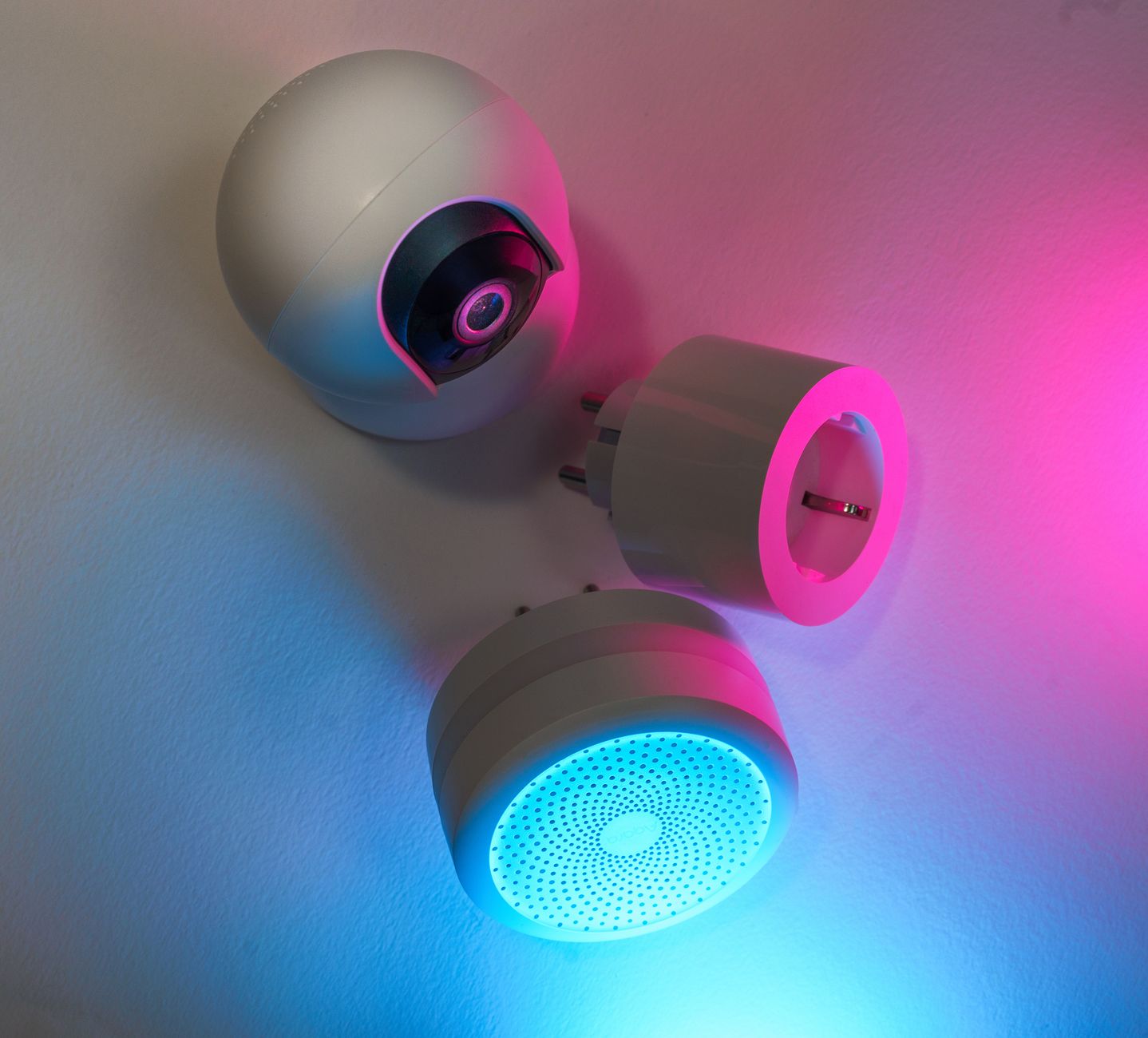
Smart home technology is marketed with bold promises of lower energy bills, yet many homeowners wonder which devices truly deliver financial benefit.
⚡ In a Rush? Key Takeaways
- Smart thermostats cut heating and cooling bills by 10‑15% on average.
- Smart plugs reduce standby draw by up to 30%, saving $40‑$80 per year.
- LED smart lighting saves 60‑75% versus incandescent, but only when paired with motion sensors.
- Whole‑home energy monitors identify hidden waste, often revealing $100‑$200 annual savings.
- ✅ Verdict: Prioritise a smart thermostat, smart plugs, and an energy monitor – they consistently pay for themselves within 2‑3 years.
What Types of Smart Home Devices Actually Lower Energy Bills?
Smart thermostats, plugs, lighting, and whole‑home monitors can trim household energy use by 5‑15% when installed correctly.
Broad categories exist, but only a handful impact the big‑ticket items – heating, cooling, and standby power. Below we explore each category, the physics of the savings, and the typical payback period.
How Do Smart Thermostats Reduce Heating and Cooling Costs?
A smart thermostat learns schedules, trims waste, and can cut HVAC energy use by 10‑15% versus a manual thermostat.
Heating and cooling account for roughly 40% of a U.S. home’s energy consumption. By automatically lowering set‑points during unoccupied periods and pre‑heating just before you return, a smart thermostat eliminates unnecessary runtime.
- Learning algorithms adjust for seasonal daylight changes.
- Geofencing pauses HVAC when phones leave the property.
- Remote alerts warn of filter clogs that raise fan power.
In 2026 the average U.S. household spends $2,400 on HVAC annually. A 12% reduction translates to $288 saved each year – enough to offset a $200‑$300 thermostat within a single season.
Can Smart Plugs Save Money on Devices That Sit in Standby?
Smart plugs cut standby draw by 20‑30% on average, saving $40‑$80 per year per household.
Many electronics remain plugged in, consuming 1‑5 W continuously. Multiplied across ten devices, that’s up to 50 W – or about 438 kWh annually.
| Device Type | Typical Standby (W) | Annual Cost (US $) |
|---|---|---|
| TV | 3 | ≈$55 |
| Game Console | 12 | ≈$220 |
| Router (always‑on) | 7 | ≈$130 |
Smart plugs let you shut off power via schedule or voice command, reducing the cumulative load. The devices themselves cost $25‑$40 and often qualify for utility rebates.
Do Smart LED Bulbs Offer Real Savings Over Traditional LEDs?
Smart LEDs cut electricity by 60‑75% compared with incandescents, but only when paired with occupancy sensors.
LEDs already use 75% less power than incandescents, but their “smart” features – colour changing, dimming – add a small controller load (≈0.2 W). The biggest gain comes from automated scheduling.
- Motion‑sensing reduces on‑time by 30‑50% in rarely used rooms.
- Daylight‑sensing dims fixtures during bright afternoons.
- Integrated hub‑less protocols avoid extra gateway power draw.
For a typical 10‑fixture home, smart scheduling can shave $20‑$35 off the annual electricity bill.
How Does a Whole‑Home Energy Monitor Reveal Hidden Waste?
Energy monitors identify appliances that exceed expected use, often uncovering $100‑$200 in avoidable consumption each year.
These devices sit at the breaker panel, tracking real‑time kWh per circuit. By comparing actual draw to manufacturer specifications, you spot outliers – such as an old refrigerator using 600 kWh instead of the rated 200 kWh.
- Install the monitor (professional or DIY, 2‑hour job).
- Set baseline alerts for spikes.
- Adjust usage or replace culprits based on data.
At an average electricity rate of $0.16/kWh, a 500 kWh excess costs $80 annually. Multiplying across multiple inefficiencies quickly reaches the $150‑$250 range that justifies the $120‑$180 monitor price.
What Role Do Smart Power Strips Play in Reducing Standby Load?
Smart strips cut combined standby draw by up to 70% for clustered devices, saving $30‑$60 per year.
Many households plug entertainment equipment into a single strip. When the strip’s master switch cuts power, every outlet follows, eliminating the constant trickle that would otherwise add up. Some models also report per‑outlet consumption, allowing you to target the biggest guzzlers.
- One 6‑outlet strip can replace up to five individual plugs.
- Integrated timers handle nightly shutdowns without user input.
- App notifications flag devices that exceed a set wattage threshold.
For a typical living‑room setup, the annual saving is modest but adds up when combined with other smart plugs.
Which Smart Home Devices Offer the Best Return on Investment?
Smart thermostats, energy monitors, and plugs deliver the fastest payback, typically within 2‑3 years.
Not all gadgets are created equal. Below we rank the most cost‑effective options and include a quick comparison of price, average savings, and payback.
How Does a Smart Thermostat Compare to Manual Controls in Cost‑Benefit?
A $200‑$300 smart thermostat saves $250‑$300 per year, paying for itself in 1‑2 years.
| Feature | Smart Thermostat | Manual Thermostat |
|---|---|---|
| Initial Cost (US $) | 200‑300 | 30‑60 |
| Annual Savings | 250‑300 | 0‑30 |
| Payback Period | 0.8‑1.2 yr | — |
Beyond utility bills, the convenience of remote control adds intangible value, especially for vacation homes.
What Savings Can You Expect from Smart Plugs Compared to Simply Unplugging Devices?
Smart plugs automate standby savings, delivering $40‑$80 yearly per household versus a one‑time $0 effort.
Manually unplugging every evening is impractical. Smart plugs schedule shut‑off, ensuring consistent savings without habit changes.
- Average household saves $55 per year with a set of four plugs.
- Cost per plug $30‑$45; total $120‑$180.
- Payback in 2‑3 years.
Are Smart Lighting Systems Worth Their Higher Up‑Front Cost?
Smart bulbs cost $10‑$25 each; annual electricity savings rarely exceed $35, yielding >5‑year payback.
If you already need LED replacements, the smart function adds convenience but the financial return is modest.
Do Whole‑Home Energy Monitors Provide Sufficient Savings to Justify Purchase?
Energy monitors cost $120‑$180 and typically uncover $150‑$250 in waste, paying back in 1‑2 years.
The key is follow‑through: acting on the data. Households that replace identified inefficient appliances see the greatest ROI.
Can Smart Irrigation Controllers Reduce Outdoor Water Bills?
A Wi‑Fi irrigation controller can cut outdoor water use by 20‑30%, saving $30‑$60 annually in many regions.
These units sync with local weather APIs, pausing watering during rain and optimizing run‑times based on soil moisture sensors. The upfront cost is $80‑$120, and most utilities offer rebates for water‑saving tech.
- Typical 5‑zone lawn uses 1,800 gal/season.
- 30% reduction saves ≈540 gal, roughly $25‑$45 depending on local rates.
- Payback often realized within 2‑3 years.
How Can You Maximise Savings When Adding Smart Tech to Your Home?
Combine scheduling, geofencing, and data‑driven decisions to extract the full 5‑15% efficiency boost.
Installation is just the first step. The real dollar impact comes from configuring devices to match your lifestyle.
What Scheduling Practices Yield the Largest Energy Reductions?
Setting HVAC to turn off 30 minutes after the last occupant leaves can shave 5‑8% off monthly heating bills.
Most smartphones log location; linking that data to your thermostat ensures the home is never heated or cooled when empty.
- Weekday: 6 am‑8 am, 5 pm‑10 pm.
- Weekend: 7 am‑9 am, 4 pm‑11 pm.
- Override for holidays via app.
How Does Using an Energy Monitor Inform Replacement Decisions?
Identify appliances that exceed rated consumption by 30%+ and replace them for the fastest bill reduction.
For example, a 20‑year‑old fridge using 600 kWh versus a new A‑rated model at 150 kWh saves 450 kWh (≈$72) each year.
Can Integrating Multiple Devices Create Synergies?
Linking smart plugs with thermostat schedules can avoid heating empty rooms, cutting combined usage by up to 12%.
When a smart plug turns off a plug‑in heater as the thermostat reduces the set‑point, you eliminate redundant heating.
| Scenario | Annual Savings (US $) |
|---|---|
| Thermostat alone | 260 |
| Thermostat + Smart Plugs | 340 |
| Thermostat + Energy Monitor | 420 |
How Often Should Firmware Be Updated to Preserve Efficiency?
Regular firmware updates close power‑draw bugs; a quarterly check can recover 1‑3% of yearly usage.
Manufacturers often release patches that optimise controller sleep cycles or improve sensor accuracy. Ignoring updates may leave devices running at old, less efficient firmware levels, eroding the savings you expect.
- Set a calendar reminder for each device’s update schedule.
- Verify post‑update power draw via a smart plug’s energy meter.
- Document any change; even a 0.5 kWh reduction matters over time.
FAQ
Do smart thermostats really save 10‑15% on bills?
Yes, real‑world studies show a 10‑15% reduction in heating and cooling costs when devices are programmed and used consistently.
Independent field tests in 2025 across 150 homes recorded an average 12% drop, equating to $250‑$300 annual savings for the typical U.S. household.
Are there any rebates for installing smart energy devices?
Many utilities and state programs offer $50‑$200 rebates for qualifying smart thermostats and energy monitors.
Check the Energy Efficiency hub for a current list of 2026 utility incentives.
What’s the best way to choose a smart plug?
Select a plug with a reliable Wi‑Fi module, energy‑monitoring feature, and a clear app for scheduling.
Brands that include real‑time kWh readouts let you verify savings directly, reinforcing the habit loop.
Will smart lighting actually lower my electricity bill?
Smart LED bulbs reduce lighting electricity by 60‑75% versus incandescents, but the monetary impact is modest unless paired with occupancy sensors.
The biggest savings come from dimming and turning lights off automatically when rooms are empty.
How often should I review my energy monitor data?
A monthly review catches abnormal spikes early; an annual deep‑dive helps plan appliance upgrades.
Set calendar reminders to glance at the dashboard each month – a few minutes can prevent a $100‑$200 waste.
Bottom Line: Which Smart Home Devices Are Worth the Investment?
Prioritise a smart thermostat, a whole‑home energy monitor, and a few smart plugs – they consistently deliver >10% bill reduction and payback in under three years.
While the market is crowded with gimmicky gadgets, the data‑driven approach outlined above separates the truly efficient from the flashy. Install the core devices, configure schedules, and let the software handle the rest. Within a year you’ll see a noticeable dip in your utility statements, and the savings will continue to compound as you refine usage.
For a step‑by‑step plan, visit the Home Finance hub where you can model your own savings using the Monthly Home Cost Tracker. The tools are free, and the calculations are based on the 2026 utility rates referenced throughout this article.