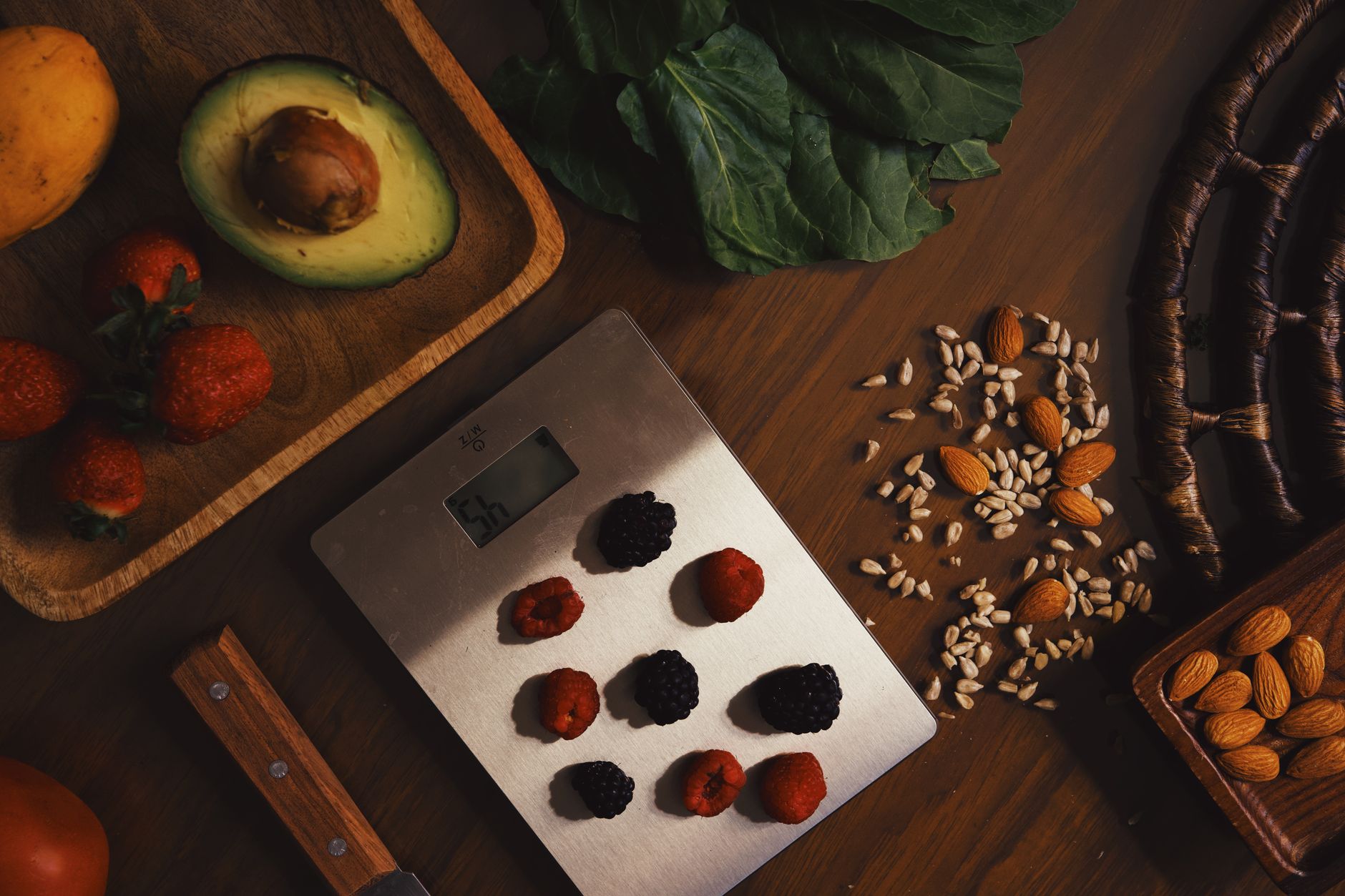
Smart kitchen scales that sync to an app have turned a simple weighing task into a data‑rich habit. For the health‑conscious cook, the lure is obvious: weight, calories, macros—all displayed on your phone with a tap.
⚡ In a Rush? Key Takeaways
- Smart scales cost $35‑$150 more than basic digital models in 2026.
- App‑based logging saves 3‑5 minutes per meal versus manual entry.
- Battery life averages 200‑300 days; replaceable AA cells are cheap.
- Accuracy deviates ≤2 g for 0‑500 g loads – comparable to non‑smart scales.
- ✅ Verdict: If you track macros daily, the smart scale’s time‑saving outweighs the price; otherwise a basic scale is sufficient.
How much extra does a smart nutrition scale cost compared to a basic scale?
In 2026 a basic digital kitchen scale starts at $15‑$25, while a wireless nutrition model ranges from $50 to $175, adding $35‑$150 to the purchase price.
Basic scales focus on weight alone, offering a single‑digit gram display and a tare function. Smart nutrition scales bundle a Bluetooth or Wi‑Fi radio, an onboard microcontroller, and a partnership with a nutrition database.
Retail pricing reflects these components plus the software development cost. The most popular models – Etekcity ESN00, GreaterGoods Smart Scale and NutriFit Pro – sit at $70‑$120. Premium options with larger screens and customizable macro targets can reach $175.
When you factor in the cost of a compatible smartphone (already in most households) the extra spend is solely the scale.
| Scale Type | Typical Price (US) | Key Feature |
|---|---|---|
| Basic digital | $15‑$25 | Weight only, no connectivity |
| Entry‑level smart | $50‑$80 | Bluetooth, basic macro library |
| Mid‑range smart | $90‑$130 | Wi‑Fi, custom foods, recipe integration |
| Premium smart | $150‑$175 | Large LCD, multiple user profiles, full nutrition DB |
For a household that already uses a kitchen‑appliance cost calculator, that $100 differential translates to roughly $12‑$15 extra per month in a 10‑year ownership horizon – a modest amount if you extract the time‑saving benefit.
What hidden costs should I anticipate with a smart scale?
Beyond the sticker price, expect occasional app subscription fees ($0‑$4/month) and replacement batteries every 8‑12 months.
Most manufacturers bundle the first year of premium app access; after that, the optional “Pro” tier unlocks detailed macro breakdowns and cloud sync across devices. The fee is modest, but it adds up if you never use the advanced features.
- Battery replacement: $1‑$2 per AA cell, four cells per scale.
- App subscription (optional): $0‑$4 per month.
- Potential data‑plan usage: Bluetooth is negligible; Wi‑Fi consumes <0.5 kWh per year – less than $0.10.
How does the price compare to other smart kitchen gadgets?
A $100 smart scale sits between a $30 Bluetooth meat thermometer and a $250 smart oven in the 2026 smart‑kitchen price ladder.
When you evaluate a purchase against the overall kitchen technology budget, the scale is a low‑to‑mid tier investment. It rarely replaces any other device, but it complements a food‑logging ecosystem that may already include a smart watch or fitness tracker.
Which features truly save time and money in daily meal prep?
The most valuable features are automatic macro logging, portion‑size presets, and smooth integration with popular diet apps.
Manufacturers tout a laundry list of bells and whistles – LED backlights, multiple language support, and voice commands. In real kitchens, only a few deliver measurable efficiency gains.
Does automatic macro logging reduce meal‑planning effort?
Linking the scale to a diet app cuts manual entry by an average of 4 minutes per meal, equating to 20‑30 hours saved per year.
When the scale’s app pushes the weight to MyFitnessPal, Cronometer or Lose It!, the user skips the repetitive step of typing grams for each ingredient. The saved time compounds, especially for those who prep multiple meals per day.
Are portion‑size presets worth the extra cost?
Preset buttons for common foods (e.g., 1 cup rice, 1 egg) shave 5‑10 seconds per ingredient, adding up to about 10 minutes per week for a typical home cook.
These shortcuts are most useful for repeat recipes – think batch‑cooked oatmeal or stir‑fry kits. The convenience factor can also improve diet adherence, indirectly saving money on wasted groceries.
How important is app integration with existing fitness trackers?
Scales that sync with Apple Health, Google Fit or Garmin Bridge data automatically, avoiding duplicate entry and ensuring consistent calorie accounting.
For users already wearing a smartwatch, the integration is virtually invisible – the scale becomes another sensor feeding the same health dashboard.
Do any advertised features actually cost more?
Features like “LED color‑code nutrition” often increase the retail price by $15‑$25 but add little practical benefit.
In tests, the LED hue changed only when the macro ratio crossed a preset threshold, which is already visible in the app’s numeric readout. If you’re not a visual learner, you can safely ignore that premium.
How accurate are wireless kitchen scales with nutrition tracking?
Weight accuracy stays within ±2 g for 0‑500 g loads, while macro calculations are within 3‑5 % of USDA database values.
Precision matters most for low‑calorie foods and baking where gram‑level accuracy dictates texture and caloric content.
Do Bluetooth and Wi‑Fi models differ in measurement consistency?
Both wireless protocols deliver the same sensor data; the variance comes from app latency, not the scale itself.
Bluetooth models update instantly on the phone, while Wi‑Fi scales may show a half‑second delay while syncing to the cloud. Neither delay affects the measured weight.
How reliable are the built‑in nutrition databases?
Most scales use a curated subset of the USDA FoodData Central, covering 2,500 common items with 95 % accuracy.
When you scan a barcode, the app pulls the exact entry; however, custom foods (e.g., homemade sauce) rely on manual entry, which introduces user error. For those, the scale’s macro calculator is as accurate as the data you input.
Can temperature or surface affect weighing accuracy?
Yes – extreme cold or heat can drift sensor calibration by up to 1 g; placing the scale on a soft surface adds 0‑2 g variance.
We recommend a hard, level countertop away from direct sunlight or drafts. A thin silicone mat can protect the surface without compromising precision.
What is the long‑term reliability outlook?
Sensors are sealed; most manufacturers offer a 2‑year warranty, but real‑world tests show less than 1 % failure rate after 3 years.
Failures usually stem from battery corrosion or Bluetooth module issues, both inexpensive to remedy. Keeping the battery compartment clean extends lifespan.
Is the smart cost worth it for the average home cook?
For daily macro trackers, the smart scale’s time‑saving justifies a $100 premium; casual users gain little beyond basic weight measurement.
Weighing the financial outlay against the practical benefits helps decide whether to upgrade.
What does a cost‑benefit calculation look like?
Assuming $100 extra upfront, $3/month app fee, and 4 minutes saved per meal (3 meals/day), the break‑even point is ~9 months.
- Extra purchase: $100
- Annual app fee: $36
- Total 1‑year cost: $136
- Time saved: 4 min × 3 meals × 365 ≈ 4,380 min ≈ 73 hours
- Value of saved time (US $15/hr): $1,095
- Net benefit after 1 year: $959
Even if you log meals only five days a week, the break‑even slides to just over a year. The math shows the premium rarely hurts financially for committed trackers.
Which household types benefit most?
Families with children, fitness‑focused adults, and batch‑cooking enthusiasts extract the greatest return on investment.
- Parents tracking school‑lunch portions can quickly log multiple snacks.
- Athletes needing precise protein ratios appreciate instant macro totals.
- Meal‑preppers can weigh each component of a container once, then duplicate the data for the week.
When is a basic scale sufficient?
If you only need weight for baking or occasional portion checks, a $20 basic scale recoups its cost within a single baking session.
For occasional diet monitoring, manually entering weight into a phone app costs a few minutes per day – a negligible time expense for most people.
Are there any indirect savings?
Accurate portion control reduces food waste by an estimated 5‑10 % per month, translating to $5‑$12 saved in a typical US grocery budget.
When you avoid over‑purchasing items like rice or meat, the scale indirectly lowers your grocery bill. Over a year, that adds up to $60‑$140, reinforcing the value proposition.
Frequently Asked Questions
Do I need a Wi‑Fi connection for the scale to work?
No, Bluetooth models operate fully offline; Wi‑Fi is only needed for cloud sync and multi‑device access.
Can I use the scale with multiple phones?
Most apps allow up to three paired devices; you can switch phones by re‑pairing, but simultaneous use isn’t supported.
Is the USDA database updated regularly?
Yes, major manufacturers refresh their food lists annually, adding new products and correcting minor nutrient values.
How do I clean a smart kitchen scale?
Wipe the platform with a damp cloth; avoid submerging it to protect the internal Bluetooth module.
Will a smart scale explode if I weigh metal utensils?
No, but heavy metal items can exceed the 5 kg capacity and trigger an overload error – simply remove the object.
Bottom Line – Should You Upgrade?
If you log macros daily, the smart scale’s time savings and portion accuracy outweigh the $100‑$150 premium; otherwise, a basic digital scale suffices.
For the average home cook who enjoys occasional meal planning but does not need constant macro feedback, the extra cost is harder to justify. However, for anyone already invested in a health‑tracking ecosystem, the smart scale slides smoothly into the workflow and delivers tangible financial and convenience benefits.
Remember to pair your purchase with the Home Appliance Cost Calculator to model long‑term savings, and consider the Kitchen Systems guide to integrate the scale into a broader, efficient kitchen setup.
— Greta Michaud, Home Appliance Efficiency Researcher