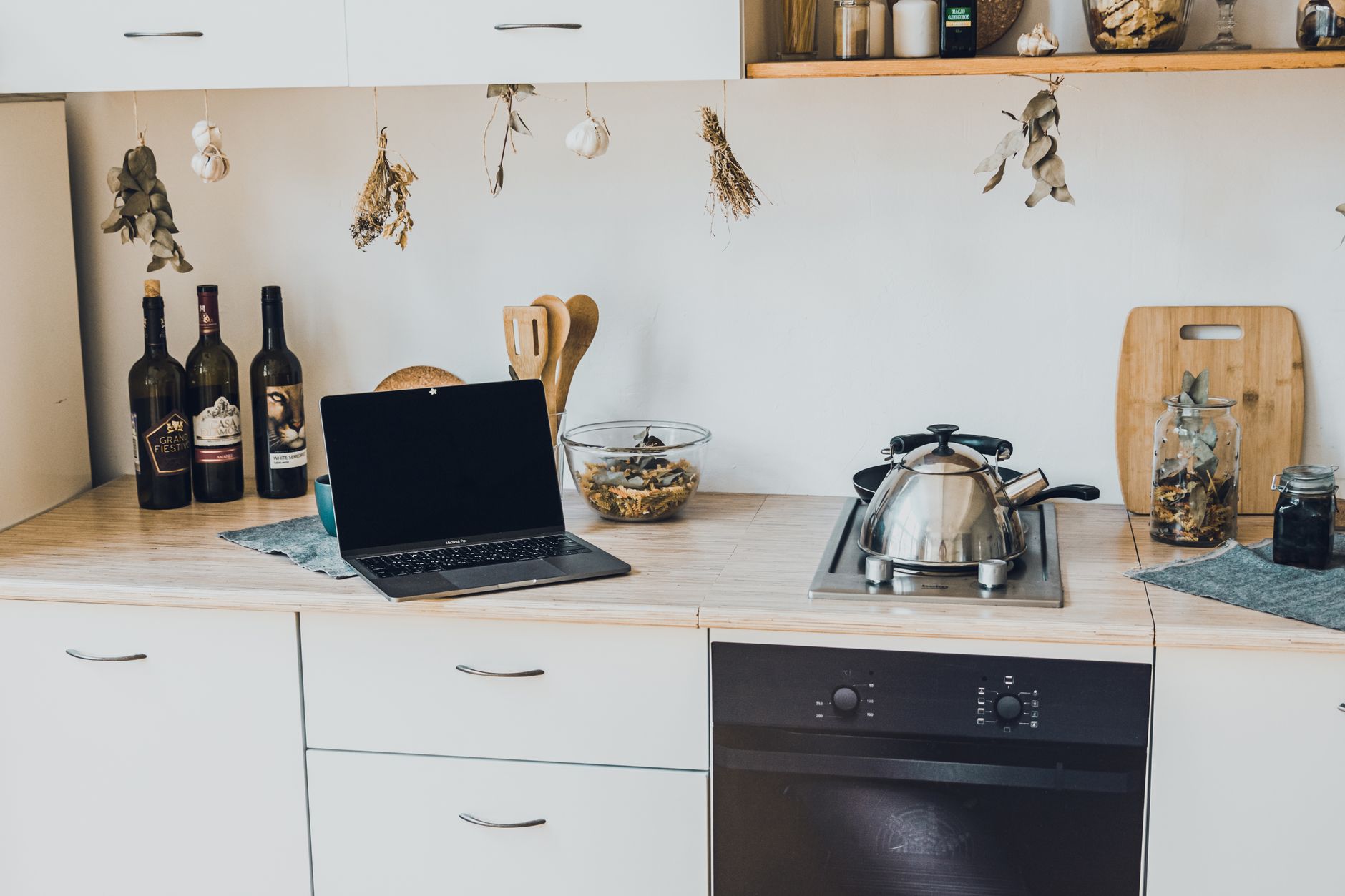
Turning a traditional kitchen into a connected hub can feel overwhelming, but a measured approach lets you add value without blowing your budget.
Below you’ll find clear steps, cost ranges, and the smartest first‑moves for a functional smart kitchen.
⚡ In a Rush? Key Takeaways
- Smart plugs cost $15‑$30 each; a starter set of four runs under $100.
- Voice assistants (Echo, Google Nest) average $45‑$70 and cover most control needs.
- Adding a smart faucet saves 12‑18 gallons per week versus a standard model.
- Full‑kit upgrades (lighting, appliances, outlets) typically total $1,200‑$2,500.
- ✅ Start with smart plugs and a voice hub – they give the biggest ROI for under $150.
How can I plan a smart kitchen without overspending?
Map your kitchen’s current layout, identify high‑use zones, and start with low‑cost devices that deliver measurable savings.
Begin by sketching a floor plan on paper or a free app. Mark the zones where you spend the most time – the prep area, the cooking range, and the coffee corner. This visual helps you see where smart plugs, sensors, or lighting upgrades will have the greatest impact.
Next, rank each zone by potential savings. A smart plug on a countertop charger can cut phantom loads by up to 10 % (≈ $5‑$10 per month). A sensor‑driven faucet reduces water use by 12‑18 gallons weekly, translating to roughly $1‑$2 saved each week.
Finally, set a budget ceiling. For a starter package, allocate $150‑$250 for the voice assistant, plugs, and a few smart bulbs. The remainder can be saved for later upgrades like a smart oven or refrigerator.
- Sketch your kitchen layout.
- Identify high‑use zones.
- Prioritise low‑cost, high‑impact devices.
- Set a realistic budget.
What basic devices should I buy first?
Start with a voice assistant, a pack of smart plugs, and smart LED bulbs for immediate control and energy insight.
A voice assistant (Amazon Echo Dot or Google Nest Mini) costs $45‑$70 and serves as the control hub. Pair it with a 4‑pack of Wi‑Fi smart plugs ($15‑$30 each) to automate kettles, coffee makers, and under‑cabinet lights. Replace a few key fixtures with smart LED bulbs ($8‑$12 each) for dimming and scheduling.
These three categories provide a functional foundation and generate data you can use to justify future investments. Because they are plug‑and‑play, installation takes minutes rather than hours, so you see benefits right away.
| Device | Typical Cost (US) | Average Savings |
|---|---|---|
| Voice Assistant | $45‑$70 | Control multiple devices, no direct energy savings |
| Smart Plug (per unit) | $15‑$30 | 10 % reduction in standby load |
| Smart LED Bulb | $8‑$12 | 15‑20 % lower electricity use |
How do I choose the right Wi‑Fi standard?
Select devices that support 2.4 GHz Wi‑Fi; it offers broader range and better penetration through walls than 5 GHz.
Most budget smart plugs and bulbs use 2.4 GHz because it can travel further through kitchen cabinets and appliances. If you plan on adding higher‑bandwidth devices like a smart oven, ensure your router also broadcasts a stable 5 GHz network for those specific items.
Investing in a dual‑band router (around $80‑$120) now prevents future connectivity headaches. Look for routers that support Wi‑Fi 6 (802.11ax) to future‑proof your setup without adding extra cost.
How much will a full smart kitchen upgrade cost in 2026?
A complete smart kitchen typically ranges from $1,200 to $2,500, depending on device selection and installation complexity.
Below is a realistic cost breakdown for a mid‑range kitchen of 150 sq ft. Prices reflect 2026 retail averages in the United States.
| Category | Typical Items | Cost Range (US) |
|---|---|---|
| Voice Hub | Echo Show 8, Google Nest Hub | $70‑$130 |
| Smart Plugs (8) | Wi‑Fi or Zigbee models | $120‑$240 |
| Smart Lighting | LED strips, under‑cabinet bulbs | $80‑$180 |
| Smart Faucet | Touchless sensor faucet | $150‑$300 |
| Smart Oven / Range | Connected convection oven | $800‑$1,500 |
| Installation & Wiring | Electrician fees | $200‑$400 |
The total sits between $1,520 and $2,740. Homeowners who skip the smart oven and stick to plug‑and‑play devices can stay under $1,500.
What are the ongoing running costs of these devices?
Smart devices add roughly $5‑$10 per month to electricity bills, offset by savings in water and standby power.
A typical smart plug draws 0.5 W in standby, equating to about $0.60 per year per plug. Multiply by eight plugs and you get under $5 annually. The real cost driver is the hub, which uses 2‑3 W continuously, or about $2‑$3 per year.
When you factor in water savings from a smart faucet (≈ $100 per year) and reduced phantom loads, most users see a net positive cash flow within the first year. The modest monthly electricity increase is easily eclipsed by the convenience and leak‑prevention alerts that smart water sensors provide.
Can I integrate existing appliances without replacing them?
Add smart plugs or retro‑fit modules to existing appliances for control, but full integration may require compatible models.
For a stand‑alone coffee maker, a smart plug lets you schedule power on/off and monitor energy use via the hub’s app. Some refrigerators have optional Wi‑Fi adapters that enable temperature alerts without a full replacement.
Retrofitting saves 30‑45 % of the cost of a brand‑new smart appliance while still delivering remote control and usage data. Be aware that not every appliance can report detailed diagnostics; for those, the plug only offers on/off control.
How do I ensure my smart kitchen is secure and reliable?
Use strong, unique passwords, enable two‑factor authentication, and keep firmware updated to protect against hacks.
Security starts with the Wi‑Fi network. Change the default router admin password, enable WPA3 encryption, and create a dedicated “IoT” SSID for all smart devices. This isolates them from personal computers and phones.
Every device should have its own account password; avoid the temptation to reuse the same credential across multiple plugs or bulbs.
- Change router admin password.
- Enable WPA3 or WPA2‑AES.
- Use a separate IoT SSID.
- Enable two‑factor authentication where available.
- Check for firmware updates monthly.
What firmware update schedule should I follow?
Check each device’s app weekly; most manufacturers push automatic updates within 48 hours of release.
Set a calendar reminder to open the hub app every Friday. Most smart plugs and bulbs will display a badge if an update is pending. For voice assistants, automatic over‑the‑air updates are the norm, but you can verify the version in the settings screen.
How can I protect my privacy while using voice assistants?
Mute the microphone when not in use and regularly delete voice recordings from the assistant’s cloud storage.
Both Amazon and Google allow you to turn off the mic with a physical button on the device. Additionally, log into your account dashboard and delete stored voice logs weekly. This limits data collection without compromising functionality.
How do I expand my smart kitchen over time?
Add devices in logical phases—lighting, appliances, then integration—while keeping the hub as the central command.
Phase 1: Light the kitchen with smart LEDs and install the voice hub. Phase 2: Introduce smart plugs to automate high‑draw appliances. Phase 3: Upgrade core appliances—oven, fridge, dishwasher—with built‑in Wi‑Fi or retrofit kits. Each phase builds on the previous one, keeping costs spread over months rather than a single lump sum.
What are the best smart lighting options for kitchens?
Choose Wi‑Fi or Zigbee bulbs with dimmable white temperature; expect $8‑$12 per bulb.
Under‑cabinet strips with motion sensors reduce the need for constant lighting, cutting electricity by up to 25 % in that zone. Pair them with a voice command like “Turn on prep lighting” for hands‑free operation. For ambient lighting, consider color‑temperature tunable bulbs that shift from cool white for cooking to warm white for dining.
Which smart appliances offer the highest ROI?
Smart dishwashers and ovens save the most, typically reducing energy use 15‑25 % compared with non‑connected models.
A connected dishwasher that auto‑optimises cycle length based on load weight can shave 0.3‑0.5 kWh per wash, saving $5‑$8 annually per unit. Smart ovens with pre‑heat avoidance and residual heat utilisation offer similar savings, especially when paired with a recipe app that suggests batch‑cooking to minimise oven use.
How can I future‑proof my smart kitchen?
Choose devices that support open standards like Matter or Thread; they will stay compatible as new products emerge.
The industry is converging on Matter, a universal protocol that lets a single hub control devices from different brands without separate apps. Buying Matter‑ready plugs, bulbs, and sensors now protects you from having to replace a whole ecosystem when the next generation arrives.
- Prioritise Matter‑compatible devices.
- Keep your router firmware up to date.
- Periodically audit device usage to retire unused gadgets.
FAQ
How much does a single smart plug cost in 2026?
A basic Wi‑Fi smart plug ranges from $15 to $30, depending on brand and added features like energy monitoring.
Can I control smart kitchen devices with my phone only?
Yes, most devices have companion apps that work over Wi‑Fi, but a voice hub adds convenient hands‑free control.
Do smart faucets really save water?
Touchless faucets reduce flow by 12‑18 gallons weekly, equating to roughly $100–$150 saved on water bills each year.
Is there a warranty for smart kitchen devices?
Most manufacturers offer 1‑year limited warranties; extended plans are available for an additional cost.
What’s the best way to integrate a smart oven?
Choose an oven with built‑in Wi‑Fi and use the vendor’s app to schedule, monitor, and receive alerts, linking it to your hub via Alexa or Google Home.
What is the final recommendation for a cost‑effective smart kitchen?
Begin with a voice assistant, smart plugs, and LED bulbs; expand to appliances as budget allows for the highest ROI.
Starting small lets you experience immediate convenience and measurable savings, making it easy to justify larger upgrades later. By the end of the first year, most homeowners recoup the initial $150‑$200 investment through reduced energy, water, and standby costs.
— Greta Michaud, Home Appliance Efficiency Researcher