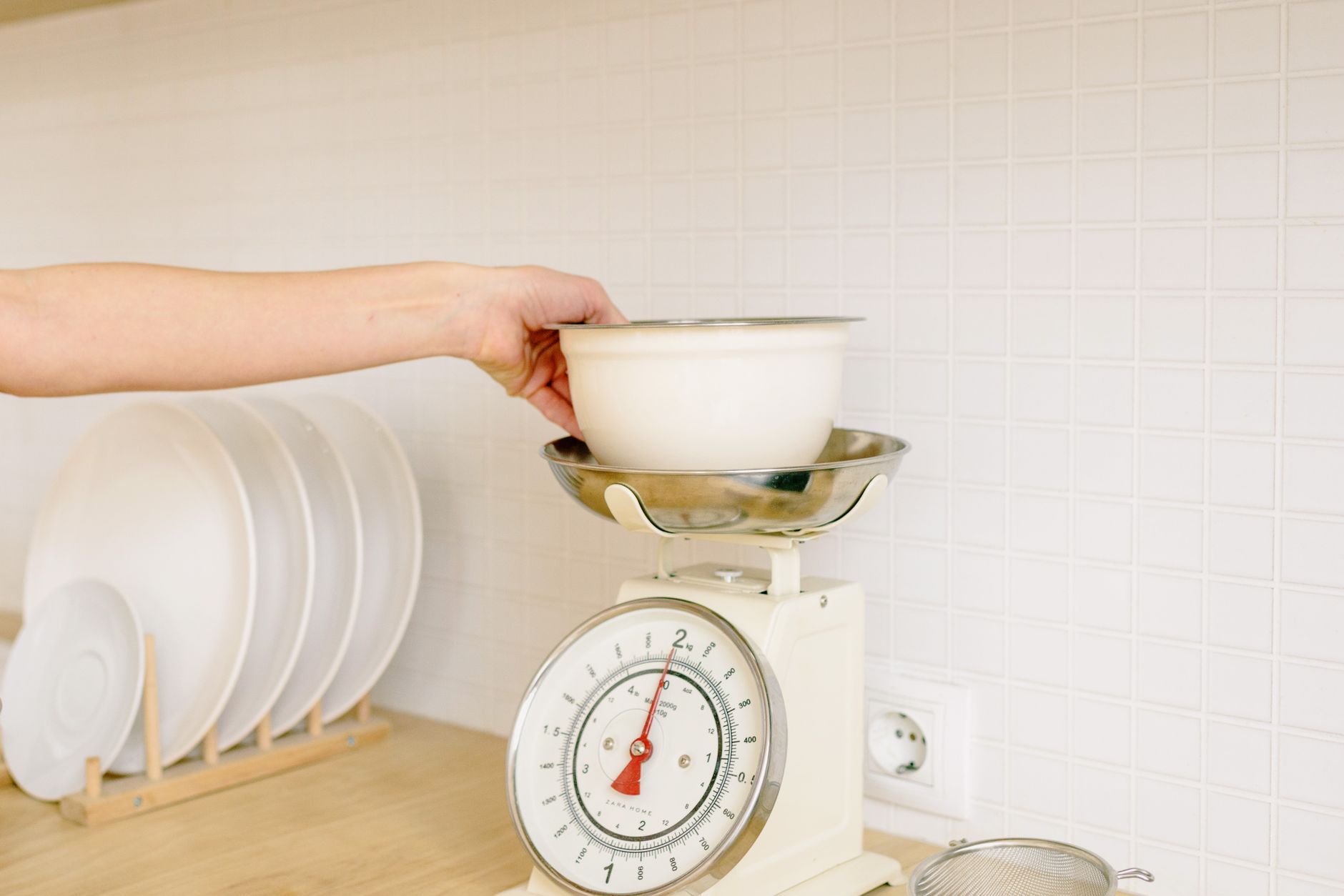
For the home cook invested in precision, a reliable kitchen scale is indispensable. In 2026, many scales offer app connectivity, promising enhanced functionality. But with a growing array of options, understanding what truly matters beyond the basic need for accurate measurements can be a challenge. This guide will help you discern the essential features from the superfluous.
⚡ In a Rush? Key Takeaways
- Connected kitchen scales range from $30 to $150, with smart features justifying higher costs.
- Accuracy within 1 gram is vital; consider scales with 0.1g precision for specialty baking ingredients.
- Bluetooth 5.0 or higher ensures stable, efficient data transfer to your device.
- Prioritize scales with integrated recipe scaling or unit conversion over niche app functions.
- ✅ Best value scales balance precision, reliable connectivity, and user-friendly apps.
The evolution of kitchen tools has brought us increasingly sophisticated devices, and the humble kitchen scale is no exception. While a basic digital scale offers accuracy, scales with app connectivity aim to elevate the cooking experience further. Whether you are meticulously following complex baking recipes, tracking nutritional intake, or simply aiming for consistent results, understanding the nuances of these connected scales is key to making an informed purchase.
What Makes a Kitchen Scale ‘Smart’ in 2026?
Smart kitchen scales leverage Bluetooth or Wi-Fi to sync with mobile apps, offering features like tracking, recipe integration, and nutritional analysis.
The term ‘smart’ in the context of a kitchen scale typically refers to its ability to communicate wirelessly with another device, usually your smartphone or tablet. This connectivity unlocks a range of additional functionalities that go beyond simply weighing ingredients. These apps might store historical measurements, help you scale recipes up or down, break down nutritional information (calories, macronutrients), or even guide you through specific cooking processes.
How Does App Connectivity Enhance the Cooking Process?
App connectivity can streamline recipe adjustments, nutrition tracking, and data logging for a more informed culinary experience.
For many home cooks, the primary appeal of an app-connected scale lies in its potential to simplify complex tasks. Imagine baking a cake that calls for 12 servings, but you only need six. A smart scale’s app can instantly recalculate the ingredient quantities for you, eliminating the need for manual measurement conversions. Similarly, if you are closely monitoring your dietary intake, a scale that logs weight data directly into a nutrition app can save considerable time and reduce the likelihood of errors. This smooth integration promises a more efficient and precise approach to the culinary arts.
What Are the Different Types of Connectivity Available?
Kitchen scales primarily use Bluetooth for local device pairing or Wi-Fi for broader network integration and cloud syncing.
The most common form of connectivity you will encounter is Bluetooth. This is ideal for direct pairing with your smartphone or tablet, offering a reliable connection for most in-app functions. Some higher-end models might offer Wi-Fi connectivity, which can be beneficial if you want your scale’s data to sync automatically to a cloud service or a smart home ecosystem without needing your phone to be in close proximity. Each has its own advantages; Bluetooth is generally simpler and more energy-efficient for frequent, direct use, while Wi-Fi offers greater independence from a primary device.
Is Bluetooth Connectivity Reliable on Kitchen Scales?
Modern Bluetooth 5.0+ connectivity offers improved range, speed, and stability, making it highly reliable for kitchen scale applications.
Reliability is paramount for any kitchen tool, and connectivity should not be a point of failure. Fortunately, the Bluetooth technology used in modern kitchen scales has advanced significantly. Bluetooth 5.0 and later versions provide a more robust connection than earlier iterations, offering better range and reducing the chances of dropped signals, even in a busy kitchen environment. For standard weighing and tracking tasks, this level of connectivity is more than sufficient. It is important to ensure the scale you are considering uses a recent Bluetooth standard for the best experience.
Assessing Accuracy and Precision for Best Results
Accuracy within 1 gram is standard; high-precision scales weighing to 0.1g are essential for baking and fine ingredient measurement.
At the core of any kitchen scale, connected or not, is its ability to measure accurately. For general cooking and baking, a scale that measures in 1-gram or 0.05-ounce increments is typically sufficient. However, if your culinary pursuits involve delicate pastry work, molecular gastronomy, or precise measurements of potent ingredients like yeast or baking powder, you will want to look for scales with higher precision, often measuring to 0.1 grams. This level of detail can make a significant difference in the outcome of sensitive recipes.
What Level of Precision is Truly Necessary?
For most home cooking, 1-gram precision is adequate, but baking and specialty ingredients benefit from 0.1-gram accuracy.
The necessity of 0.1-gram precision often arises in baking. A slight over- or under-measurement of baking powder or a specific spice can alter a recipe’s texture or flavour profile. For example, a recipe calling for 5 grams of baking soda could be significantly impacted if your scale only measures in whole grams and you aim for that quantity. Investing in a scale with finer precision ensures you can adhere to recipes requiring minute quantities, thereby improving the consistency and reliability of your results. Remember that even with a highly precise scale, ensuring it is on a level surface free from vibrations is crucial for accurate readings.
How to Test Your Scale’s Accuracy
Test your kitchen scale’s accuracy by weighing known objects, calibrating it with standard weights, and checking for consistent readings.
Once you have acquired a new scale, it is wise to perform a simple accuracy test. You can use known weights, such as coins (though their weight can vary slightly with wear), or preferably, a set of certified calibration weights if you are serious about precision. Place the known weight on the scale and note the reading. Repeat this several times. Most scales also have a calibration function that you can access via their settings or the accompanying app. Following the manufacturer’s instructions for calibration will ensure your scale is providing the most accurate measurements possible. If readings are consistently off, or if the scale fails to calibrate, it may be a sign of a faulty unit.
Understanding Tare Functionality
The tare function zeroes out the scale’s weight, allowing you to measure ingredients in the same container accurately.
A fundamental feature of any digital kitchen scale is the tare function. This allows you to place a container on the scale, press a button to zero out the weight of the container, and then add your ingredients. The scale will then display only the weight of the ingredients. This is essential for measuring multiple ingredients in the same bowl without having to dirty multiple separate containers. All scales, whether basic or smart, should have a responsive and accurate tare function. With connected scales, the tare function is usually mirrored or controlled within the app as well, providing convenient options.
Evaluating App Features and User Experience
The best apps offer intuitive recipe scaling, helpful nutritional data, and smooth device integration; avoid overly complex or buggy interfaces.
The ‘smart’ aspect of a connected scale lives in its app. This is where user experience truly matters. An app that is difficult to navigate, prone to crashing, or lacks intuitive features can quickly turn a desirable gadget into a frustrating burden. When evaluating connected kitchen scales, pay close attention to user reviews of the companion app. Look for mentions of stability, ease of use, and the practicality of the features offered.
How Important Are Nutritional Tracking Features?
Nutritional tracking is a valuable feature for health-conscious individuals, but its utility depends on the app’s database and integration capabilities.
Many connected kitchen scales boast nutritional tracking capabilities, aiming to provide insights into the calories, fats, carbohydrates, and protein content of your food. This can be incredibly useful for individuals managing specific dietary needs or simply aiming for a healthier lifestyle. However, the effectiveness of this feature hinges on the quality and comprehensiveness of the app’s food database. A robust database covering a wide variety of ingredients and common food items will be far more useful than a limited one. Some apps also offer integration with popular health-tracking platforms, which can further enhance their value by consolidating your data in one place.
Does the App Scale Recipes Effectively?
Effective recipe scaling allows users to adjust serving sizes easily, recalculating ingredient quantities automatically to simplify cooking.
One of the most practical applications of a smart kitchen scale and its accompanying app is recipe scaling. This feature allows you to input the number of servings a recipe is designed for and then adjust it to a different number of servings. The app will automatically recalculate the required amounts of each ingredient, presented in both weight and volume where applicable. This is particularly useful for home bakers or anyone who frequently needs to make adjustments based on the number of people they are serving. A well-implemented recipe scaling function can save a significant amount of time and reduce the potential for mathematical errors.
What About Data Logging and History?
Data logging allows users to review past measurements, track ingredient usage, and monitor dietary patterns over time.
For those who value consistency or are conducting detailed recipe development, a data logging feature is invaluable. Connected kitchen scales with this capability will store a history of your weighings, often organised by date and time. This can be useful for tracking ingredient usage, reviewing measurements from previous baking sessions, or identifying patterns in your dietary habits. Some apps even allow you to export this data, providing flexibility for further analysis or record-keeping outside of the app itself. The ability to look back at precise measurements can be a powerful tool for improvement and learning in the kitchen.
Consider the User Interface and Ease of Use
An intuitive user interface and straightforward operation are paramount, ensuring the technology enhances, rather than complicates, the cooking experience.
Regardless of how advanced the features are, if the app is not user-friendly, it defeats the purpose of a ‘smart’ device. Look for apps with clean designs, clear labelling, and straightforward navigation. The process of pairing the scale, selecting a function, and viewing data should feel intuitive and require minimal effort. If you find yourself constantly searching for buttons or struggling to understand what information is being presented, the technology is likely hindering your workflow rather than improving it. Many reviews will touch upon the app’s interface, so consult these before making a purchase. A well-designed app makes the technology feel like an extension of your own capabilities, not an obstacle.
Key Specifications to Prioritize
Prioritize stainless steel surfaces, clear displays, long battery life, and reputable brands for longevity and a positive user experience.
Beyond connectivity and app features, the physical attributes of the scale itself play a crucial role in its day-to-day usability and longevity. These are the fundamental elements that ensure the scale performs reliably, even before you connect it to an app.
Material and Durability
Stainless steel surfaces are hygienic and durable, making them ideal for kitchen environments where spills are common.
Given the kitchen environment, durability and ease of cleaning are essential. Most high-quality kitchen scales feature a stainless steel weighing surface. This material is not only hygienic and easy to wipe clean, but it also offers a degree of durability against scratches and corrosion. Avoid plastic surfaces where possible, as they can scratch more easily and may not hold up as well to repeated cleaning or exposure to certain ingredients. Check if the scale is water-resistant or waterproof; a degree of water resistance is highly beneficial as spills are inevitable.
Display Readout Clarity
A clear, easy-to-read digital display is critical, especially for precise measurements in various lighting conditions.
The display is your direct interface with the scale’s measurements. It should be large, bright, and easy to read from various angles. Backlit displays can be particularly helpful in dimly lit kitchens. Some scales feature displays that can be detached or pulled out from the main unit, which is incredibly useful when weighing larger items that might obscure the readout. This feature, present on scales like the OXO Good Grips model, ensures you can always see your measurements clearly, regardless of what you are weighing.
Battery Life and Power Source
Long battery life and easily replaceable batteries (AA, AAA) are preferable; some models offer rechargeable options.
Consider how the scale is powered. Most digital scales use standard AA or AAA batteries, which are readily available. Pay attention to the manufacturer’s estimated battery life. Frequent battery changes can be inconvenient. Some models offer rechargeable batteries via USB, which can be more convenient and environmentally friendly in the long run, provided the battery holds a charge well over time. Ensure the battery compartment is easy to access for replacements or charging.
Weight Capacity and Units of Measurement
Scales typically measure up to 5kg or 11lbs, with options for grams, ounces, pounds, and milliliters.
Ensure the scale’s weight capacity meets your needs. Most standard kitchen scales can weigh up to 5 kilograms (approximately 11 pounds), which is sufficient for most baking and cooking tasks. If you anticipate weighing larger items, such as whole turkeys or large batches of dough, you might consider a scale with a higher capacity. Equally important is the range of units it can measure. The ability to switch between grams, ounces, pounds, and milliliters for liquid volume is essential for versatility. Some connected scales allow unit conversions directly within the app.
— FAQs —
What is the most accurate type of kitchen scale?
Digital kitchen scales offer the highest accuracy for home use, with precision varying from 1 gram to 0.1 grams.
Can I use my smart kitchen scale without the app?
Yes, most smart kitchen scales function as standard digital scales when not connected to their app, providing basic weighing capabilities.
How often should I calibrate my kitchen scale?
Calibrate your kitchen scale annually or if it has been dropped or moved to a new location to ensure continued accuracy.
Are expensive smart kitchen scales worth the investment?
They are worth it if you regularly use advanced features like recipe scaling or nutritional tracking; otherwise, a high-quality basic scale may suffice.
What is the typical lifespan of a kitchen scale?
With proper care, a quality kitchen scale can last 5-10 years, with app connectivity potentially becoming obsolete sooner than the hardware.
Choosing a kitchen scale with app connectivity in 2026 offers a pathway to enhanced culinary precision and convenience. While the allure of smart features is strong, remember that accuracy, reliability, and user-friendliness remain paramount. By prioritizing these core attributes, and by carefully considering how the app’s functionality aligns with your personal cooking style and needs, you can select a tool that genuinely elevates your time spent in the kitchen. A well-chosen connected scale should feel like a subtle enhancement, smoothly integrating into your workflow rather than demanding excessive attention.