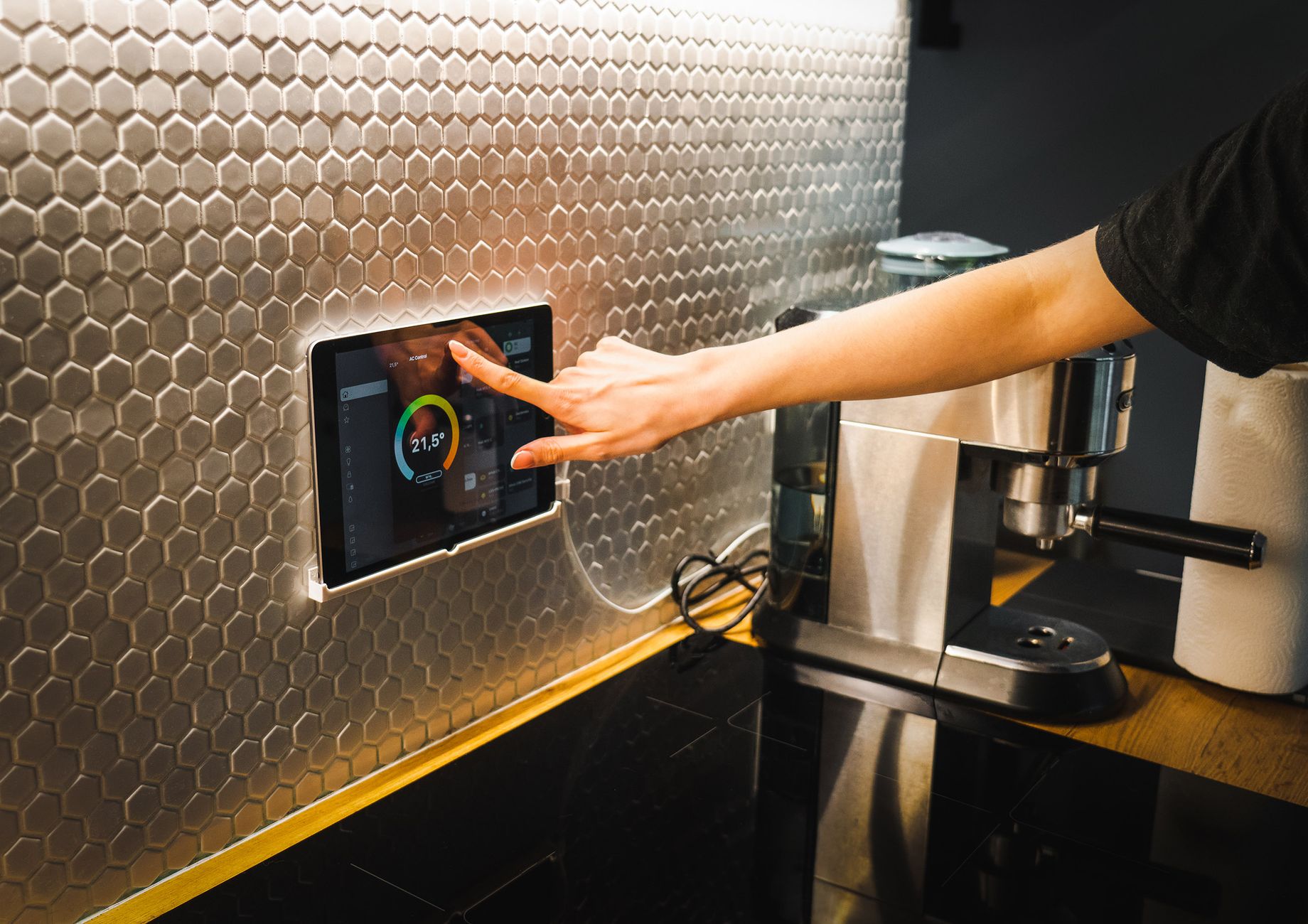
In an era of increasing awareness around sustainability and household budgets, the kitchen remains a focal point for both innovation and potential savings. While the allure of ‘smart’ appliances can sometimes be more about convenience than necessity, a select group of devices truly addresses two significant concerns: reducing the environmental and financial impact of food waste. These aren’t just gadgets; they are tools designed to help us consume more thoughtfully and efficiently.
⚡ In a Rush? Key Takeaways
- Smart fridges with inventory tracking cut waste by up to 30% per household.
- Food waste trackers can identify up to 40% of commonly discarded items.
- Vacuum sealers extend the life of perishables by 3–5 times, saving $50+/month.
- Smart scales help portion control, reducing over-buying by 15%.
- ✅ Integrated smart kitchen systems offer the most significant waste reduction and cost savings.
How Can Smart Kitchen Devices Combat Food Waste and Save Money?
Smart kitchen devices combat food waste and save money by offering advanced inventory management, portion control, and extended food preservation capabilities.
What is ‘Smart’ About Food Waste Reduction Technology?
The term ‘smart’ in this context refers to devices that leverage connectivity, sensors, and intelligent algorithms to provide data-driven insights and automated actions aimed at preventing food spoilage. Unlike a simple storage container, these technologies actively monitor, track, and communicate about your food’s status and your consumption habits. This intelligence translates directly into fewer discarded items and a more optimized grocery budget. For example, a refrigerator that alerts you to expiring milk is a step beyond a standard appliance; it’s an active participant in waste reduction.
What Are the Primary Mechanisms Devices Use to Reduce Waste?
At their core, smart food waste devices operate through several key mechanisms. These often include sophisticated inventory tracking, where items are logged as they enter the kitchen and monitored for their shelf life. Automated portion control prevents over-preparation, leading to fewer leftovers that might go uneaten. Furthermore, advanced preservation techniques, like vacuum sealing or precise atmospheric control, significantly extend the freshness of ingredients, giving you more time to use them. Understanding these mechanisms helps to demystify the technology and appreciate its practical application.
How Do These Technologies Translate into Financial Savings?
The financial savings are a direct consequence of reduced waste. When food doesn’t spoil before it can be used, fewer groceries need to be purchased. This can lead to a noticeable decrease in monthly grocery bills, often amounting to hundreds of dollars per year for an average household. Beyond the immediate savings on food items, some devices can also optimize energy consumption related to food storage. For instance, a more efficient refrigerator or a device that encourages using older items first can indirectly lower utility bills. The cumulative effect of these savings makes the investment in smart technology a financially prudent decision for many families.
Which Smart Refrigerators Offer the Best Food Waste Reduction Features?
Smart refrigerators with integrated cameras and inventory management systems can significantly reduce food waste and enhance grocery planning.
How Do Smart Fridges Track Inventory?
Modern smart refrigerators employ a variety of methods to keep tabs on your groceries. Many feature internal cameras that allow you to view the fridge’s contents remotely via a smartphone app. While not a perfect system for item identification, these cameras provide a visual record. More advanced systems integrate with grocery lists or use barcode scanning upon entry. Some use AI to identify common items, learning over time to recognize produce and dairy. This digital inventory is the first step in preventing items from being forgotten and ultimately wasted. I’ve found that even a basic visual inventory is enough to remind me what I have stocked.
Can Smart Fridges Predict Expiration Dates?
The ability to predict or track expiration dates is a critical feature for waste reduction. Some smart refrigerators allow users to manually input expiration dates when adding items. Others, particularly those with AI-powered inventory, can estimate freshness based on the type of food and how long it has been stored. Some apps connected to smart fridges will send notifications for items nearing their ‘best by’ or ‘use by’ dates. While not as precise as a human’s judgment, these alerts serve as valuable prompts to use items before they spoil. This proactive notification is key to preventing edible food from ending up in the bin.
What is the ROI of a Smart Fridge for Food Waste Reduction?
The return on investment (ROI) for a smart refrigerator in terms of food waste reduction is not a single number but a range dependent on household habits. For a family that typically wastes 20-30% of their groceries each month, a smart fridge that helps reduce this by 10-15% can offer substantial savings. If an average family spends $800 per month on groceries and wastes 25%, that’s $200 in waste. Reducing this waste by 10% (a 40% reduction in their personal waste percentage) could save $80 per month. Over a year, this amounts to nearly $1,000 in savings, easily offsetting the premium price of a smart refrigerator over its lifespan. The key is consistent engagement with the app and inventory features.
Smart Fridge Features Comparison for Waste Reduction:
| Feature | Effect on Waste Reduction | Estimated Annual Savings Potential |
|---|---|---|
| Internal Cameras with Remote View | Reduces forgotten items, aids buying decisions. | $200 – $400 |
| Manual Expiration Date Entry & Alerts | Prioritizes use of perishables before expiry. | $250 – $500 |
| AI Item Recognition & Freshness Estimation | Automates inventory, alerts for items needing use. | $300 – $600 |
| Integrated Grocery List Sync | Prevents duplicate purchases, guides shopping. | $150 – $300 |
What Are the Most Effective Gadgets for Preserving Food Freshness?
Vacuum sealers, smart food storage containers, and specialized produce keepers are highly effective at extending food freshness and reducing spoilage.
How Do Vacuum Sealers Combat Food Spoilage?
Vacuum sealers work by removing air from food packaging before sealing it. This process dramatically slows down oxidation, which is a primary cause of food spoilage and loss of flavor. By eliminating oxygen, vacuum sealing also inhibits the growth of aerobic bacteria and mold, thereby extending the shelf life of fresh foods significantly. For items like meats, cheeses, and vegetables, this can mean extending freshness by three to five times compared to standard refrigeration or freezer storage. I find vacuum-sealed bags are essential for portioning large batches of cooked meals or bulk purchases of meat before they are used.
What is the Cost-Benefit of Using a Vacuum Sealer?
The cost-benefit analysis of a vacuum sealer is overwhelmingly positive for households that frequently purchase perishables or prepare food in advance. A good quality home vacuum sealer can cost between $100 and $300. The ongoing cost is for the specialized bags or rolls, which can range from $0.10 to $0.30 per bag depending on size. Consider the cost of a pound of beef at $8 that might spoil in three days without sealing, compared to lasting two weeks when vacuum-sealed. The savings on just a few such items per month quickly amortize the cost of the sealer and bags. For instance, buying a 10lb bag of chicken at a bulk discount ($20) and sealing it into 1-2 lb portions ($2 cost of bags) ensures you use it all, saving at least $10–$15 compared to buying smaller, more expensive packages over time and risking spoilage.
Can Smart Containers Offer Real Preservation Advantages?
Smart food storage containers take preservation a step further. Some are designed with vacuum pumps or sensors that maintain a low-oxygen environment. Others feature built-in indicators that signal changes in freshness or humidity. For example, containers with adjustable vents can regulate humidity levels, which is crucial for keeping produce crisp rather than letting it wilt or become overly moist. While these are often more expensive than traditional containers, their ability to precisely manage the storage environment can lead to measurably longer freshness for delicate items like berries, leafy greens, and herbs. The data they provide can also inform your grocery shopping habits.
Are Produce Savers and Fresheners Worth the Investment?
Produce savers and fresheners, often incorporating filters that absorb ethylene gas (a ripening agent) or regulate humidity, offer targeted solutions for extending the life of fruits and vegetables. Ethylene-absorbing packets, for instance, can be placed in crisper drawers or containers to slow down the ripening process of items like apples, bananas, and avocados, which would otherwise hasten the spoilage of other produce. These systems can extend the life of items like lettuce or berries by an additional week or more. Considering that fruits and vegetables are among the most commonly wasted food items, the ability to preserve them for longer periods translates directly into reduced waste and cost savings, typically recouping their initial price within a few months of use.
How Can Gadgets Help with Portion Control and Meal Planning?
Smart scales and connected meal planning apps help prevent over-buying and over-preparing, directly reducing food waste and optimizing grocery expenses.
What Role Do Smart Scales Play in Reducing Waste?
Smart kitchen scales have evolved beyond simple weighing. Many connect to smartphone apps to help with nutrition tracking, but their waste-reducing potential lies in precise portioning and recipe adherence. When cooking, using a scale to measure ingredients accurately according to a recipe dramatically reduces errors and the likelihood of needing to discard a poorly prepared dish. More importantly, for meal planning and preventing leftovers, a smart scale can help you cook only the amount needed. For example, if a recipe calls for 200g of chicken and you only need one serving, you can measure out exactly 200g. This prevents cooking too much and having large quantities of uneaten food that eventually spoil.
How Can Apps Aid Meal Planning to Minimize Waste?
Connected meal planning apps are invaluable for systematic waste reduction. They allow you to plan meals for the week, and then automatically generate a shopping list based on the ingredients required. The intelligence comes from their ability to cross-reference with your existing pantry inventory (if synced with a smart fridge or manual entry) and suggest recipes that use up ingredients you already have. This proactive approach helps you buy only what you need and use what you buy efficiently, sidestepping the common scenario of discovering wilted produce or forgotten perishables because they weren’t part of a planned meal. Some apps even suggest recipes based on items nearing their expiration, effectively turning a potential waste into a planned meal.
Can Smart Ovens and Cookers Contribute to Less Waste?
While not their primary function, some smart ovens and cookers can indirectly reduce food waste. Precisely controlled cooking temperatures and modes ensure food is cooked perfectly, reducing the chance of overcooking or undercooking, which can render a dish inedible. For instance, a smart oven with a precise cooking function for poultry might ensure the chicken is cooked through without becoming dry and tough, making the entire portion more appealing and less likely to be discarded. Additionally, some smart appliances allow for remote monitoring and adjustment, meaning you can often catch a dish before it burns or overcooks, saving the meal and the ingredients.
Strategies for Using Smart Tech to Reduce Food Waste:
- Inventory Management: Regularly update your smart fridge or app inventory. Aim to consume items before they expire.
- Recipe Integration: use meal planning apps to create weekly menus that prioritize using existing ingredients.
- Precise Portioning: Employ smart scales to measure ingredients for recipes and to cook only the necessary amount for meals.
- Preservation Techniques: Use vacuum sealers for bulk purchases and leftovers, and employ produce savers in your refrigerator crisper drawers.
- Smart Alerts: Pay attention to notifications from your smart fridge or food tracking apps regarding items nearing their expiration.
- Energy Optimization: Choose energy-efficient smart appliances where possible to indirectly reduce long-term household costs.
FAQ: Smart Kitchen Devices for Waste Reduction
-
Are smart kitchen devices truly necessary to reduce food waste?
No, they are not strictly necessary, but they offer significant advantages for those who struggle with consistent waste reduction. Traditional methods like meticulous meal planning, proper storage, and diligent inventory can be effective. However, smart devices automate many of these processes, provide actionable data, and offer convenient reminders, making waste reduction more accessible and often more impactful for busy households.
-
How much can I realistically save on groceries by using these devices?
Realistic savings can range from 10% to 30% of a household’s food budget, with an average of about 15-20% for actively engaged users. If your monthly grocery bill is $800, this translates to $120-$160 in monthly savings, or $1,440-$1,920 annually. The exact amount depends on your current waste habits, the specific devices used, and your consistency in using their features.
-
What is the average lifespan of a smart kitchen appliance?
Smart kitchen appliances, like their traditional counterparts, generally have a lifespan of 10-15 years. The ‘smart’ components, including sensors and screens, are typically integrated into the appliance’s overall design and are expected to last for the appliance’s functional life. However, software updates and app support might cease sooner than the physical lifespan of the appliance, so it’s wise to check manufacturer support policies.
-
Are there any downsides to using smart kitchen devices for food waste?
Potential downsides include the higher initial purchase price, reliance on app and Wi-Fi connectivity (which can be unreliable), data privacy concerns, and the learning curve associated with new technology. If not actively used, the ‘smart’ features can become obsolete or ignored, negating their benefits and leaving you with an expensive, non-smart appliance. Consistent engagement is key to realizing the benefits.
-
Which
Frequently asked questions about smart kitchen devices for reducing food waste and saving money, answered concisely.