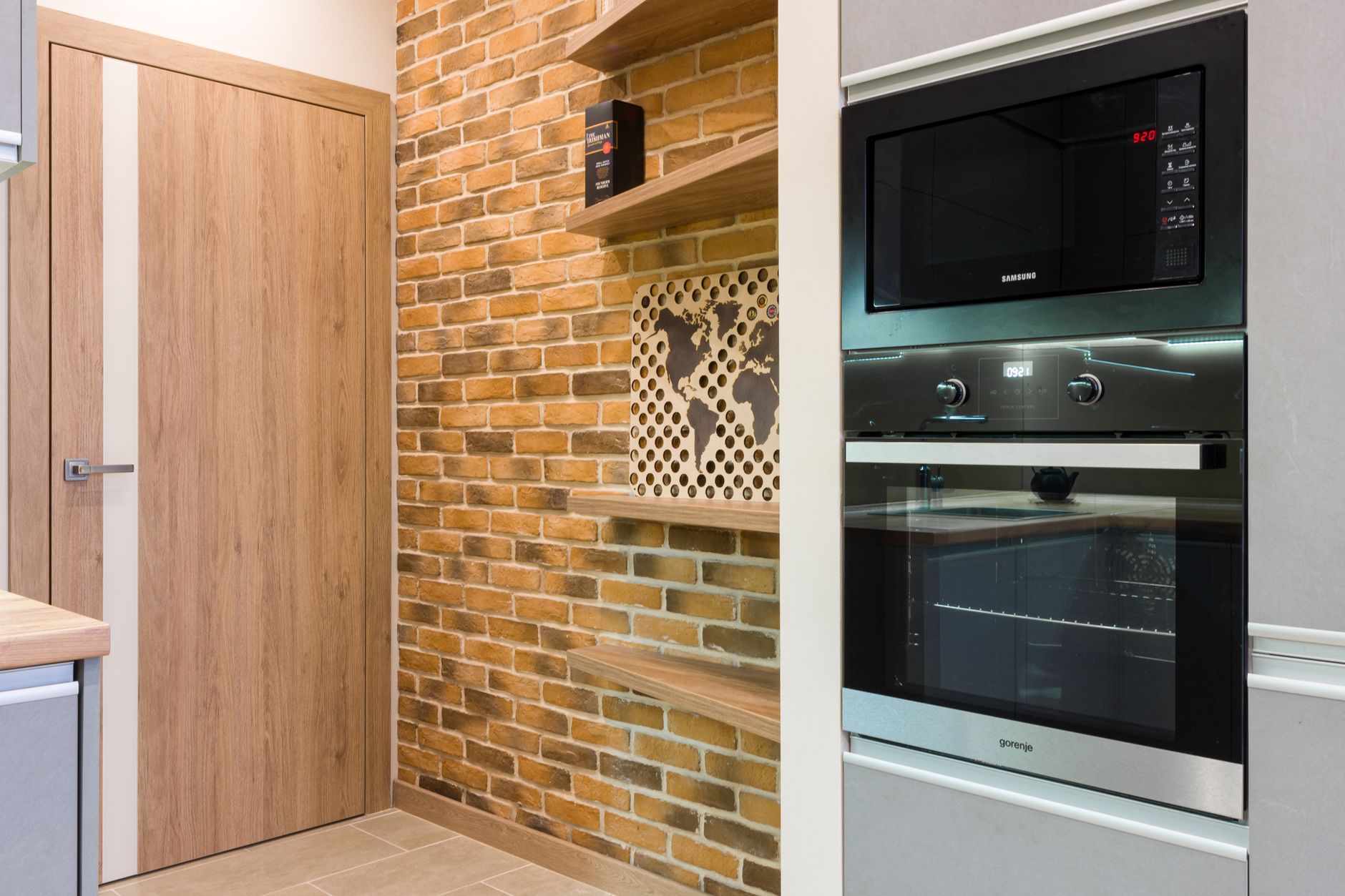
As technology continues to weave itself into the fabric of our homes, the kitchen has become a prime area for innovation. Smart ovens, equipped with Wi-Fi connectivity, app control, and advanced cooking programs, promise a more convenient and precise cooking experience. But as with many connected appliances, a crucial question arises: are these futuristic features genuinely worth the often substantial price premium over their conventional counterparts?
⚡ In a Rush? Key Takeaways
- Smart ovens add $500-1500+ to the purchase price compared to standard models.
- App control offers remote preheating and cooking monitoring.
- Voice control integration is convenient but rarely essential.
- Pre-programmed recipes can reduce user error and save time.
- For most, a high-quality conventional oven offers superior cooking performance for less.
Are Smart Ovens Too Expensive for the Features They Offer?
Smart ovens typically cost $500 to $1,500 more than comparable conventional models, with the price gap narrowing on higher-end units.
The most immediate consideration when evaluating smart ovens is the financial investment. Anecdotal reports and expert reviews consistently highlight a significant price disparity. A conventional, high-quality convection oven might range from $1,000 to $2,000, whereas its smart counterpart, often with similar core cooking functionalities, can easily push into the $1,500 to $3,500+ bracket. This premium is solely for the added connectivity and digital enhancements: features like app integration, voice control, and advanced recipe programming.
While the sticker price is a substantial hurdle, several manufacturers emphasize the long-term value. They argue that features like precise temperature control, automated cooking cycles, and even remote diagnostics can lead to fewer cooking mistakes, reduced food waste, and a more predictable outcome, which, over time, can equate to savings. However, quantifying these savings against the upfront cost requires careful consideration of individual cooking habits and household needs.
What are the primary connected features in modern smart ovens?
Smart ovens offer Wi-Fi connectivity for remote control, cooking monitoring, voice integration, and access to digital recipe libraries.
The hallmark of a smart oven is its ability to communicate. This usually begins with Wi-Fi or Bluetooth connectivity that allows the oven to be controlled via a smartphone application. Users can often preheat the oven remotely, adjust cooking times and temperatures, and receive notifications when a dish is ready or when a cycle has completed. This level of control can be particularly appealing for busy individuals or families who may not be in the kitchen continuously.
Beyond basic remote operation, many smart ovens boast sophisticated recipe integration. These ovens come pre-loaded with a library of recipes, often with step-by-step guidance that automatically sets the oven’s temperature, cooking mode (bake, broil, convection, etc.), and duration for each stage of the recipe. This feature aims to demystify complex dishes and ensure consistent results, even for novice cooks. Furthermore, compatibility with voice assistants like Google Assistant or Amazon Alexa adds another layer of convenience, allowing users to adjust settings hands-free.
Can smart oven features truly reduce cooking time or food waste?
Remote preheating saves time, while guided cooking programs can minimize errors, though direct food waste reduction is less common.
The promise of saving time is a significant selling point for smart ovens. The ability to preheat the oven from your living room, or even on your commute home, does offer a tangible benefit. Instead of waiting for the oven to reach temperature upon arrival, dinner can begin cooking immediately, shaving off the 10–20 minutes typically required for preheating. This is particularly advantageous on weeknights when efficiency is paramount.
When it comes to reducing food waste, the argument is more nuanced. Guided cooking programs, where the oven automatically adjusts settings based on the dish, can certainly lead to more successful culinary outcomes. Fewer burnt roasts or undercooked casseroles translate to less wasted food. However, directly attributing significant food waste reduction solely to smart oven technology is challenging. It assumes that users will consistently use these advanced features for every meal, which may not always be the case. The primary driver of food waste reduction often remains user skill and meal planning.
How does a smart oven’s energy efficiency compare to a conventional oven?
Smart ovens generally do not offer superior energy efficiency; core cooking technologies dictate energy usage, not connectivity.
From an energy efficiency standpoint, the smart features themselves do not inherently make an oven more or less efficient in its core cooking functions. The energy consumption of an oven is primarily determined by its heating elements, insulation quality, and the cooking technology employed (e.g., convection fan, broiler). Smart ovens still rely on these fundamental components. Therefore, a smart oven with a convection fan will likely use similar amounts of energy for baking as a similarly sized conventional oven with a convection fan.
Where there might be a marginal difference is in standby power consumption. The electronics required for Wi-Fi connectivity, a digital display, and the operating system will consume a small amount of energy even when the oven is not actively cooking. While manufacturers strive to minimize this phantom load, it is an additional energy draw that conventional ovens, with their simpler mechanical controls, do not have. Over the lifespan of the appliance, this minor increase in standby power is unlikely to offset any potential savings gained from more precise cooking or reduced cooking times.
| Oven Type | Typical Annual Energy Use (kWh) | Approx. Annual Cost (US Avg. @ $0.16/kWh) | Energy Cost vs. Conventional |
|---|---|---|---|
| Conventional Convection Oven (standard use) | 400-600 kWh | $64 – $96 | Baseline |
| Smart Oven (standard use + standby) | 410-615 kWh | $65.60 – $98.40 | ~0-2% higher |
While the data suggests a negligible difference, it’s important to note that actual usage patterns—how often the oven is preheated, the duration of cooking cycles, and the efficiency of the insulation—will have a far greater impact on energy bills than the presence of smart features.
Can a Smart Oven Improve Your Cooking Results?
Guided recipes and precise temperature control can improve outcomes, but a well-designed conventional oven offers comparable core performance.
The allure of consistently perfect meals is a strong motivator for purchasing a smart oven. Features like integrated temperature probes that monitor the internal temperature of roasts and automatically adjust cooking time and temperature certainly have the potential to elevate the quality of home-cooked dishes. For those who frequently cook challenging items like prime rib, whole poultry, or delicate baked goods, this level of precision can be invaluable.
Many smart ovens also offer a wider array of specialized cooking modes beyond standard bake and broil. These might include air frying, dehydration, proofing, and even steam-assisted baking, which can be attractive to cooks looking to expand their repertoire without investing in multiple single-purpose appliances. These modes, when finely tuned through the oven’s software, can indeed yield superior results for specific applications compared to a basic oven struggling to replicate the effect.
However, it’s crucial to acknowledge that a high-quality conventional oven can achieve excellent results with proper technique and attention. A well-insulated oven with accurate temperature calibration and a powerful convection fan can still produce perfectly roasted meats and evenly baked breads. The difference often lies in the user’s engagement. A smart oven’s automation can be a crutch for those who prefer less interaction, but for experienced cooks, the ability to manually control every variable might still be preferred.
How easy is it to use a smart oven’s interface and app?
Interfaces vary; some are intuitive touchscreen designs, while others suffer from clunky menus and unreliable connectivity.
The user experience with smart ovens is a critical factor in their perceived value. While manufacturers aim for intuitive interfaces, the reality can be a mixed bag. Many high-end smart ovens feature sleek, responsive touchscreens that are a pleasure to navigate. These displays often provide clear visual cues for different cooking modes, temperature adjustments, and recipe selections. The associated smartphone apps are typically designed to mirror this on-oven experience, offering a smooth transition from physical control to digital management.
On the other hand, some smart oven interfaces can be less polished, featuring confusing menu structures or slow response times. Connectivity issues, such as the oven frequently losing its Wi-Fi signal or the app failing to sync properly, can quickly turn convenience into frustration. Reliability is paramount for a core kitchen appliance, and a temperamental smart interface undermines the very purpose of the added technology. Thorough research into user reviews focusing on interface usability and app stability is therefore essential before making a purchase.
What is the maintenance and repair outlook for smart ovens?
Smart ovens involve complex electronics, potentially leading to higher repair costs and longer service times.
The integration of advanced electronics, sensors, and Wi-Fi modules in smart ovens introduces a new set of potential maintenance and repair considerations. Unlike a conventional oven, which primarily consists of heating elements, thermostats, and mechanical controls, a smart oven contains circuit boards, connectivity modules, and software. This complexity can translate to higher repair costs and potentially longer service times.
Furthermore, the software itself is a factor in longevity. As operating systems and connectivity standards evolve, there’s a question about how long manufacturers will provide software updates and support for older models. An oven that becomes “dumb” because its connectivity features are no longer supported might feel like a poor investment, even if its core cooking functions remain operational. For conventional ovens, the mechanical parts are often more straightforward to diagnose and replace, and they are not subject to obsolescence through software updates.
Do smart ovens offer better warranties or customer support?
Warranties on smart ovens are typically standard for appliances; support for connectivity issues can vary widely.
When it comes to warranties, smart ovens generally fall in line with the industry standard for high-end kitchen appliances. This typically includes a one-year full warranty covering parts and labor, potentially extending to longer periods for specific components like the heating elements or porcelain enamel finish. The core cooking functionality is usually well-covered. However, the warranty coverage for the electronic and connectivity components can sometimes be more limited or subject to different terms.
Customer support, especially for connectivity-related issues, can be a significant differentiator. Some brands offer dedicated support lines or online troubleshooting resources specifically for their smart appliances, aiming to guide users through app setup, Wi-Fi connection problems, and firmware updates. Other brands might treat these issues as secondary, leading to potentially longer wait times or less specialized assistance. It’s prudent to investigate a manufacturer’s reputation for post-purchase support, particularly for the smart functionalities, before committing to a purchase.
Are Smart Ovens a Gimmick or Genuine Household Advancement?
For tech enthusiasts and time-strapped cooks, smart ovens offer convenience; for others, they remain an unnecessary luxury.
The designation of “gimmick” or “advancement” for smart ovens largely depends on the individual user’s lifestyle, culinary habits, and technological inclination. For households where convenience and integration with a smart home ecosystem are paramount, the remote control, voice activation, and automated cooking programs can indeed feel like a significant leap forward. These features can streamline meal preparation, reduce stress, and empower less experienced cooks to achieve impressive results.
However, for many home cooks, the core competencies of an oven—accurate temperature, even heating, and reliable performance—are what truly matter. If a conventional oven, perhaps one with a high-quality convection system and precise digital controls, can already deliver these essentials effectively, the added cost and complexity of smart features may seem superfluous. The potential for software glitches, connectivity issues, and eventual obsolescence can also make the investment feel less secure compared to the proven longevity of simpler, non-connected appliances. some of the best-performing ovens in independent reviews, such as certain models from Breville and Wolf, excel due to their fundamental design and cooking prowess, not necessarily their smart capabilities.
Who genuinely benefits most from owning a smart oven?
Tech-savvy individuals, busy professionals, and aspiring home chefs often find the most utility in smart oven features.
The ideal candidate for a smart oven is often someone who actively embraces technology in other areas of their life and seeks to integrate their home appliances into a cohesive smart ecosystem. This includes individuals who already use smart home hubs, voice assistants for everyday tasks, and other connected devices. For them, the smooth operation of a Wi-Fi-enabled oven that can be controlled via the same app or voice assistant platform is a natural extension of their connected lifestyle.
Busy professionals or parents who often find themselves short on time also stand to gain considerable convenience. The ability to preheat the oven on the way home, monitor cooking progress from another room, or receive alerts when dinner is ready can alleviate daily pressures and contribute to a more efficient household routine. Furthermore, aspiring home chefs or those who are less confident in their cooking skills might benefit from the guided recipe programs and precise automatic settings. These features can help build confidence and lead to more consistent, successful culinary outcomes.
When might a high-end conventional oven be a better choice?
If cooking performance, reliability, and long-term value are priorities over connectivity, a premium conventional oven is often superior.
For discerning home cooks who prioritize the fundamental aspects of baking and roasting above all else, a meticulously designed conventional oven often presents a more compelling choice. These ovens, while lacking built-in Wi-Fi, are engineered for exceptional temperature accuracy, even heat distribution, and robust durability. Brands that focus solely on core cooking performance frequently invest more in aspects like superior insulation, advanced convection systems, and high-quality materials that directly impact the final dish.
Moreover, the argument for longevity and uninterrupted functionality is strong. Conventional ovens, with fewer electronic components, are generally less susceptible to the kinds of software glitches, connectivity failures, or obsolescence that can plague smart appliances. If your primary goal is an appliance that will perform its essential cooking tasks flawlessly for 15 or 20 years with minimal fuss, a well-built conventional model may offer greater peace of mind and a more predictable return on investment. The absence of complex electronics also means repairs, when eventually needed, are often simpler and less expensive.
Are there smart ovens that also excel in basic cooking performance?
Some premium smart ovens do offer excellent cooking performance, but often at a very high price point.
While the smart features are the primary differentiator, it’s important to recognize that many manufacturers integrate these technologies into already capable cooking platforms. Some of the higher-end smart ovens, often from established premium appliance brands, do indeed deliver outstanding core cooking performance. These ovens typically feature robust convection systems, precise temperature probes, excellent insulation, and well-designed cooking modes that rival the best conventional ovens.
However, this dual excellence often comes with a substantial price tag. You may find yourself paying a premium not only for the connectivity but also for the top-tier cooking technology. It is essential to scrutinize independent performance reviews, looking beyond the smart features to gauge how the oven truly performs in baking, roasting, and broiling tasks. For instance, models from brands like Thermador or Bosch sometimes receive high marks for both their smart capabilities and their actual cooking results, but entering that segment of the market means investing significantly more than for a standard oven.
## Frequently Asked Questions