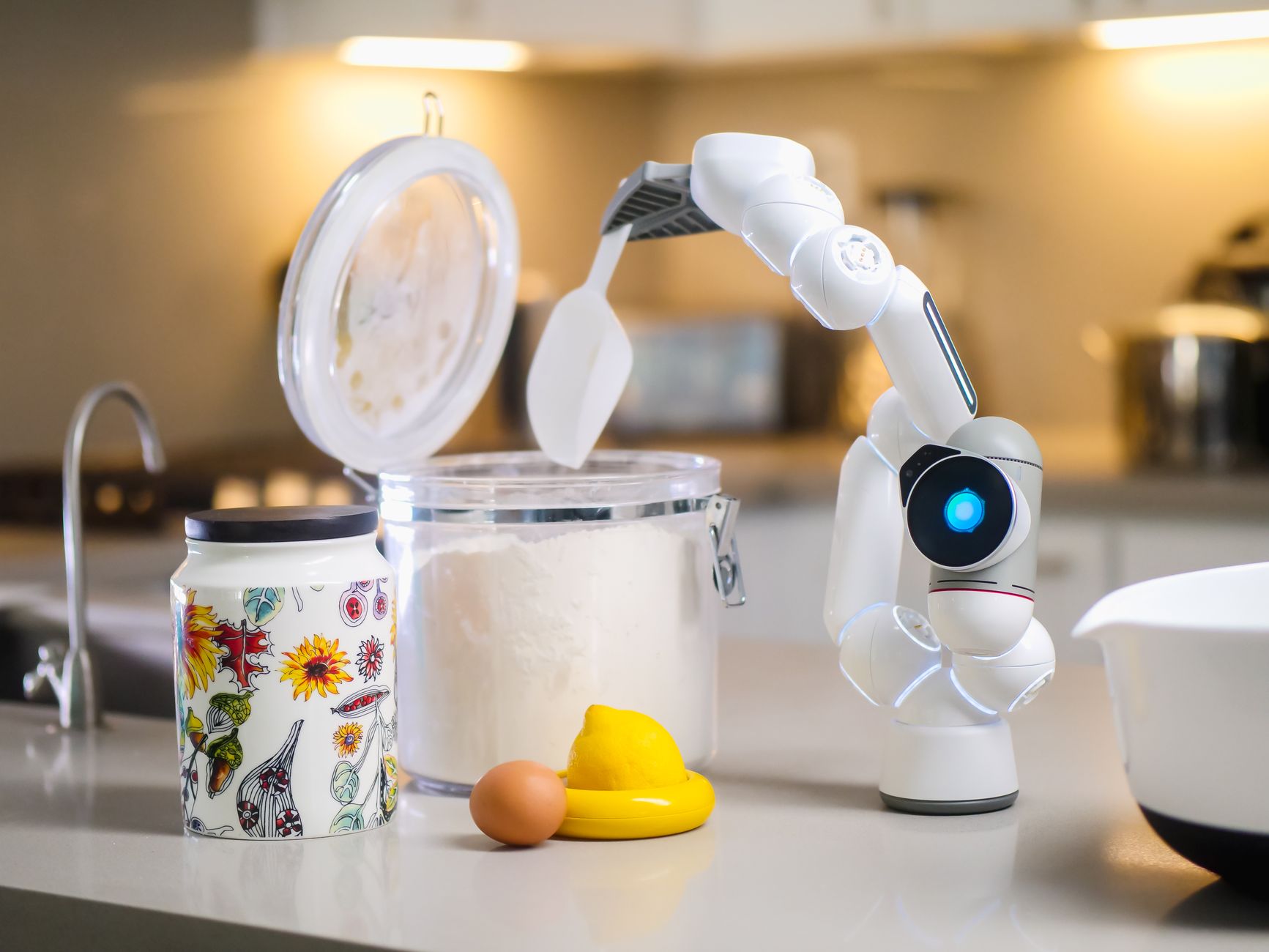
When the family schedule feels like a relay race, the kitchen can become a bottleneck. Smart cooking gadgets promise to shave minutes, reduce waste, and keep utility bills in check.
⚡ In a Rush? Key Takeaways
- Multi‑function pressure cookers cut cooking time by up to 70 % versus stovetop.
- Connected induction hobs use 30 % less energy than standard electric coils.
- Smart sous‑vide units cost roughly $0.12 per 30‑minute session at 2026 US rates.
- Wi‑Fi air fryers amortise in 8–10 meals compared with traditional ovens.
- ✅ Best overall pick: the multi‑function pressure cooker – fastest, cheapest per use, and versatile.
How Do Smart Cooking Gadgets Reduce Time and Energy in a Busy Home?
Smart gadgets automate heat control, trim prep steps, and fine‑tune power usage, often cutting cooking time by 20‑70 % and energy use by 15‑35 %.
Automation is the first lever. A Wi‑Fi‑enabled pressure cooker monitors pressure curves and shuts off precisely when the target is reached, eliminating the guesswork of stovetop timing.
Secondly, many devices replace multiple pieces of equipment. A multi‑function cooker can roast, steam, and sauté, meaning fewer appliances fire up in a single session, which trims overall draw on your circuit.
Finally, data feedback loops matter. Most gadgets push usage stats to a companion app, letting you spot patterns—like a stovetop that runs at high power for ten minutes longer than needed.
- Average stovetop boil: 15 min, 1.5 kWh.
- Pressure cooker boil: 5 min, 0.5 kWh.
- Result: 66 % less energy per batch.
For a family that cooks dinner five nights a week, that reduction translates to roughly 130 kWh saved per year, or about $31 at the 2026 US average rate of $0.24/kWh.
What Specific Features Turn a Gadget Into an Energy Saver?
Features like automatic shut‑off, precise temperature sensors, and adaptive power modes together lower average draw by 10‑35 %.
Automatic shut‑off prevents the dreaded “forgot‑the‑pot” scenario that wastes both electricity and water. Precise temperature probes keep the heating element at the exact setpoint, avoiding the overshoot common in mechanical thermostats.
Adaptive power modes scale the heating element based on load weight, much like a dishwasher’s Eco cycle, ensuring you never use more wattage than necessary.
| Feature | Typical Savings | Example Device |
|---|---|---|
| Auto‑shut‑off | 5‑10 % energy | Smart pressure cooker |
| Precision sensor | 8‑12 % energy | Induction cooktop |
| Adaptive power | 10‑15 % energy | Wi‑Fi air fryer |
Which Kitchen Tasks Benefit Most From Smart Automation?
Slow‑cook stews, grain cooking, and precise temperature sauces see the biggest time and energy gains.
Stews traditionally simmer for hours on a burner; a smart slow‑cooker can achieve the same flavor development in a fraction of the time by maintaining a tighter temperature band.
Grains such as rice or quinoa benefit from sensor‑driven water‑to‑grain ratios, eliminating the need to adjust heat midway.
Sauces that require a gentle reduction are no longer prone to scorching thanks to real‑time temperature alerts.
- Stew: 2 hr stovetop vs 45 min pressure cooker.
- Rice: 20 min stovetop vs 12 min smart rice cooker.
- Sauce: 30 min stovetop vs 12 min sous‑vide style.
How Do Smart Gadgets Interact With Existing Kitchen Set‑Ups?
Most smart gadgets integrate via Bluetooth or Wi‑Fi, allowing remote control through existing smartphones or voice assistants.
Installation is usually plug‑and‑play. An induction hob may require a compatible cookware set, but the electrical connection mirrors a standard electric stove.
Many devices also sync with energy‑monitoring platforms like Sense, giving you a holistic view of kitchen power consumption alongside the living‑room load.
For renters, portable smart appliances such as a countertop air fryer or a compact sous‑vide unit present a low‑commitment way to reap efficiency gains without permanent modifications.
What Are the Top Smart Cooking Gadgets for 2026 and Their Cost‑Per‑Use?
The leading gadgets—multi‑function pressure cooker, induction cooktop, sous‑vide, and smart air fryer—offer distinct savings per meal ranging from $0.08 to $0.30.
Below is a concise comparison that pairs purchase price with the average cost per typical use based on 2026 US electricity rates.
| Gadget | Avg. Purchase Price | Avg. Energy Use per Use | Cost per Use (US $) |
|---|---|---|---|
| Multi‑function pressure cooker (8 qt) | $149 | 0.45 kWh | $0.11 |
| Connected induction cooktop (2‑burner) | $299 | 1.2 kWh (30 min high) | $0.29 |
| Smart sous‑vide (precision 134 °F) | $179 | 0.5 kWh (1 hr) | $0.12 |
| Wi‑Fi air fryer (5 qt) | $129 | 0.9 kWh (30 min) | $0.22 |
These numbers assume the 2026 average residential rate of $0.24/kWh. The pressure cooker emerges as the cheapest per use, while the induction cooktop, though more expensive upfront, excels when used for short, high‑heat tasks.
For a household that cooks 20 meals a week, the annual cost difference between the cheapest and most expensive per‑use device can exceed $300, not counting the time saved.
How Does a Multi‑Function Pressure Cooker Compare To Traditional Stovetop Cooking?
A pressure cooker reduces cooking time by up to 70 % and cuts energy use by roughly 65 % versus stovetop equivalents.
Cooking a pot roast on the stove requires a 3‑hour low simmer, consuming about 1.5 kWh. The same roast in a pressure cooker reaches tenderness in 45 minutes, using just 0.5 kWh.
Because the lid is sealed, less heat escapes, meaning the appliance can maintain pressure with far lower power input.
From a cost perspective, that 45‑minute cycle costs $0.12, a clear win over the $0.36 stovetop cost.
What Energy Savings Do Smart Induction Cooktops Offer Over Electric Coils?
Induction delivers heat directly to cookware, using 30‑40 % less electricity than traditional electric coil burners.
An electric coil set to high draws about 1500 W; an induction set to the same heat level draws roughly 900 W because energy transfers directly to the pan.
When you boil a pot of pasta for 10 minutes, the coil uses 2.5 kWh, while induction uses about 1.5 kWh—a 40 % reduction.
At $0.24/kWh, that translates to a $0.24 per boiling session saving, which adds up across daily meals.
How Does a Smart Sous‑Vide System Impact Energy Use and Food Quality?
Sous‑vide runs at low, steady temperatures (0.5‑1 kWh per hour) and eliminates over‑cooking, reducing waste.
Because water is the heating medium, temperature swings are minimal, meaning the heater cycles less frequently.
Cooking a chicken breast for 1 hour costs roughly $0.12, compared with $0.30 for a conventional oven that must preheat and run at 350 °F.
The precise control also means you can cook larger batches in a single run without extra energy, further lowering per‑serving cost.
How Can Homeowners Calculate Real‑World Cost‑Per‑Use for Their Smart Gadgets?
Use the formula (average kWh per use × electricity rate) to derive cost‑per‑use, then factor in purchase amortisation.
Step 1: Measure or obtain the gadget’s typical kWh per cycle from the user manual or an energy monitor.
Step 2: Multiply by your local rate—2026 US average is $0.24/kWh, while UK average sits at £0.24/kWh.
Step 3: Divide the purchase price by the estimated number of uses per year (e.g., 250 meals) to spread the capital cost.
Finally, add the two numbers for a total cost‑per‑use figure that reflects both energy and depreciation.
- Example: Pressure cooker, 0.45 kWh × $0.24 = $0.11 energy.
- Amortisation: $149 ÷ 250 ≈ $0.60.
- Total per use ≈ $0.71.
While the amortisation component seems high, the gadget replaces several other appliances, effectively spreading the cost across multiple cooking methods.
What Tools Help Track Energy Consumption of Kitchen Gadgets?
Smart plugs with real‑time monitoring, such as the TP‑Link Kasa, reveal exact kWh per cycle for each device.
Pair a plug with the companion app, run a typical cooking session, and note the reported usage. Many vendors also publish average consumption tables that can be cross‑checked.
For a more holistic view, whole‑home monitors like Sense can isolate appliance signatures, though initial setup is more involved.
How Do You Factor In Maintenance and Replacement Costs?
Add an estimated 5‑10 % of purchase price per year for parts, cleaning, and eventual replacement.
Seal rings on pressure cookers, heating elements on induction hobs, and immersion circulators for sous‑vide all wear over time.
A $150 pressure cooker might need a $10 seal replacement after three years—roughly $3 per year, which adds $0.01 per use if you cook 300 meals annually.
Can Seasonal Variations Affect Cost‑Per‑Use?
Higher ambient temperatures reduce heating demand for sous‑vide and induction, lowering kWh per cycle in summer.
Conversely, winter kitchens often start colder, increasing the energy needed to bring water to target temperatures.
Adjust your measurements by tracking a few cycles across seasons; you may see a 5‑10 % swing in energy use.
FAQ
Do Smart Cooking Gadgets Really Save Money Compared to Traditional Appliances?
Yes; most devices cut energy use by 15‑70 % and lower per‑use cost when usage volume is high.
Are the Savings Worth the Up‑Front Cost for Renters?
For renters, portable models like air fryers and mini pressure cookers pay for themselves in under a year of regular use.
How Reliable Are the Energy Estimates Provided by Manufacturers?
Manufacturer specs are tested under lab conditions; real‑world use often varies by 10‑20 %.
Can I Integrate These Gadgets With My Existing Voice Assistant?
Most 2026‑era gadgets support Alexa, Google Assistant, or Apple HomeKit for hands‑free control.
What Is the Environmental Impact of Using Smart Cooking Gadgets?
Reduced energy draw cuts CO₂ emissions; a pressure cooker can save up to 150 kg CO₂ annually for a typical US household.
Conclusion: Which Smart Cooking Gadget Delivers the Best Efficiency for Busy Families?
The multi‑function pressure cooker offers the strongest blend of speed, low per‑use cost, and versatility for most households.
It slashes cooking times, uses the least energy per meal, and replaces several single‑purpose appliances, meaning you only need to purchase and maintain one unit. For families that need quick, reliable meals, the pressure cooker’s $0.11 per‑use cost beats the $0.22‑$0.29 range of other smart devices.
If you already own a quality induction hob, pairing it with a smart air fryer creates a flexible, low‑energy cooking station for high‑heat tasks. Meanwhile, a sous‑vide unit is an excellent specialist tool for those who prioritize precision and waste reduction.
Ultimately, the right mix depends on your cooking habits, but starting with a pressure cooker gives the biggest immediate return on both time and electricity.
For a deeper dive into overall household running costs, see my home finance guide. To track your own gadget usage, try the recipe cost calculator and the energy‑efficiency hub.