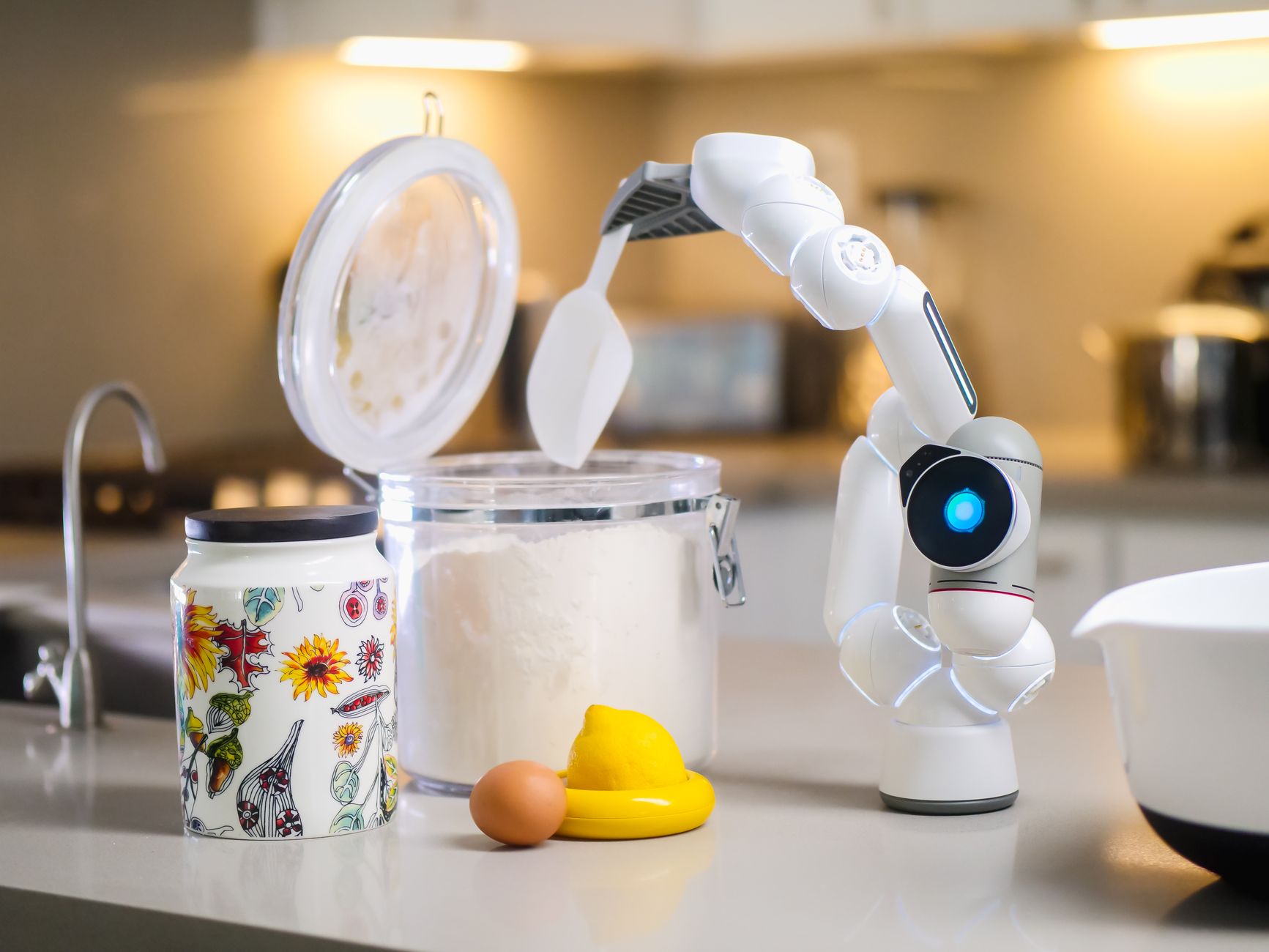
Is a Smart Kitchen Truly More Efficient Than a Traditional One?
Smart kitchens can offer efficiency gains in cooking time and energy use, but often incur higher running costs and upfront investment.
The allure of a smooth, connected kitchen, where appliances communicate and cooking is guided by digital assistants, is powerful. As technology permeates every aspect of our lives, the kitchen is a natural frontier. Yet, for the pragmatic homeowner or renter, the question remains: do these “smart” features translate into genuine savings and improved efficiency, or are they merely an expensive novelty? In 2026, with energy costs a constant consideration, a head-to-head comparison between the sophisticated, connected kitchen and its tried-and-true traditional counterpart is more relevant than ever.
⚡ In a Rush? Key Takeaways
- Smart kitchens cost $150–$200 more annually to run than traditional setups.
- Upfront costs for smart appliances are 1.5x–2x higher than conventional models.
- Smart features can reduce cooking times by up to 25% in some cases.
- Traditional cooking often wins on long-term cost and simplicity.
- ✅ Verdict: Smart features offer convenience but not superior long-term value for most.
What Are the True Upfront Costs of Smart Kitchen Technology?
Smart kitchen appliances typically cost 50% to 100% more than their non-connected, traditional counterparts.
How Do Smart Appliances Compare in Initial Purchase Price?
The most immediate hurdle for adopting a smart kitchen is the significant difference in upfront cost. A sleek, Wi-Fi-enabled refrigerator with a built-in touchscreen can easily command a price tag that is 50% to 100% higher than a comparable traditional model without these advanced features. Similarly, a smart oven or cooktop often represents a premium of $500 to over $1,000 compared to its standard analogue. This initial investment extends to an entire suite of smart appliances – a full kitchen renovation with connected devices can easily accumulate an additional $5,000 to $15,000, if not more, compared to outfitting with traditional appliances.
For example, a high-end traditional gas range might cost between $2,000 and $3,500. A smart variant with remote preheating, guided cooking programs, and integrated probes could range from $3,500 to $6,000 or higher. This disparity is not limited to major appliances; smart faucets, lighting systems, and even small countertop devices like smart blenders or coffee makers add to the cumulative financial outlay.
Is the ‘Smart Home Integration’ Premium Justifiable?
The ecosystem premium for smart appliances rarely offers direct functional or efficiency improvements that match its cost.
Many smart appliances are designed to integrate into a broader smart home ecosystem. While the idea of controlling your oven via your smartphone or receiving notifications when your sous chef attachment is ready is appealing, the incremental cost for this connectivity is substantial. Manufacturers leverage the perceived value of advanced technology and convenience, often pricing these integrated systems at a significant markup. The core cooking functions—heating, cooling, mixing, food preparation—remain fundamentally the same, whether controlled by a dial or an app. The question becomes whether the convenience of remote control or app-based recipes justifies a price increase that could fund other important home improvements, such as insulation upgrades or a more efficient water heater.
Furthermore, the lifespan of smart technology can be shorter than that of traditional appliances. Software updates may eventually cease, rendering certain ‘smart’ features obsolete or incompatible with newer systems. This technological obsolescence is a factor less present in simply designed, mechanical controls. The reliability of traditional appliances, with fewer electronic components prone to failure, is often a compelling argument for their long-term value, especially when considering the total cost of ownership.
Are There Any Upfront Cost Savings with Smart Options?
There are rarely upfront savings; smart technology is inherently a premium category.
In nearly all comparisons, traditional appliances win on initial purchase price. There are very few scenarios where opting for a smart feature will lead to immediate savings. Exceptions might occur during aggressive promotional periods or if a manufacturer bundles a smart appliance at a price point competitive with a higher-end traditional model, but these are exceptions, not the rule. For the vast majority of consumers looking to equip their kitchen without breaking the bank, traditional appliances offer a far more accessible entry point.
The long-term cost of ownership is where the investment in smart technology needs to be evaluated. If a smart appliance offers significant energy savings or dramatically reduces food waste through advanced preservation features, the initial sticker shock might be offset over several years. However, current data suggests that the energy savings are often marginal, and the primary benefit leans heavily towards convenience and connectivity rather than pure economic efficiency.
How Do Smart Kitchen Features Impact Running Costs and Energy Consumption?
While smart features can sometimes reduce cooking times, overall running costs are often higher due to increased electricity usage and potential connectivity fees.
Does Smart Connectivity Increase Electricity Use?
The notion that smart appliances are inherently more energy-efficient is often misleading. While many smart ovens and cooktops may boast advanced sensors or precise temperature control that could theoretically lead to shorter cooking cycles, the constant connectivity and sophisticated electronics draw power even when not actively cooking. A refrigerator with a large touchscreen display, internal cameras, and Wi-Fi connectivity will invariably consume more electricity than a similar-sized model relying on a simple thermostat and compressor. Similarly, ovens with integrated Wi-Fi and user interfaces represent an additional electronic load.
Estimates suggest that a fully equipped smart kitchen can incur $150 to $200 more in annual running costs compared to a conventional setup, largely due to this baseline power draw from active connectivity and advanced digital components. This is before considering the energy used by the cooking functions themselves. While a smart oven might heat up slightly faster or maintain temperature with greater precision, the overall energy consumed per cooking cycle is not always significantly lower, and can sometimes be higher than a well-maintained traditional appliance.
Can Smart Features Reduce Cooking Times and Save Energy?
Certain smart features can reduce cooking times by up to 25%, leading to marginal energy savings per meal.
This is where smart technology can demonstrate tangible benefits. Features like integrated cooking probes that automatically adjust temperature and time based on the food’s internal temperature, or preheat functions that bring ovens up to temperature quicker, can indeed reduce the overall time spent cooking. Some sources suggest these efficiencies can shorten cooking times by as much as 25% for certain dishes. This reduction in time directly correlates to a reduction in energy consumption per meal, as appliances are drawing less power over a shorter duration.
For example, a smart oven might use a combination of convection and precise temperature monitoring to perfectly cook a roast chicken in 70 minutes, whereas a traditional oven might take 80-90 minutes, depending on its calibration. While this is a concrete saving at the meal level, it’s important to consider it in context. The additional standby power draw of the smart appliance mentioned earlier could negate some of these gains over the course of a month or year. The aggregated savings from reduced cooking times might not fully offset the constant draw of the smart electronics.
How Do Smart vs. Traditional Appliances Perform on Water Efficiency?
When considering dishwashers and washing machines, smart features typically do not offer significant advantages over their traditional counterparts in terms of water efficiency. While some smart dishwashers might offer more granular cycle selection through an app—allowing users to choose a more water-conservative setting—this functionality is usually available on traditional models as well, albeit controlled by a dial or buttons. The core mechanical processes of filling, washing, rinsing, and draining are largely the same.
Modern traditional dishwashers are already highly efficient, often using less water than hand-washing a comparable load. The ‘smart’ element often lies in the ability to monitor and control these cycles remotely. For instance, a smart dishwasher can notify you when a cycle is complete, potentially allowing you to unload it sooner for immediate use, but this is a convenience feature rather than a water-saving mechanism. The energy used by the heating element for water in the dishwasher is a more significant operational cost than water itself for most households, and smart features don’t inherently reduce this element’s consumption, apart from potentially finishing the cycle faster.
Consider the Total Cost of Ownership (TCO)
Over a 10-15 year lifespan, a traditional appliance’s lower upfront and running costs offer superior long-term financial value.
To truly compare smart and traditional kitchens, we must look beyond the purchase price and monthly energy bills to the total cost of ownership over the appliance’s expected lifespan. A traditional appliance, with its lower initial investment and potentially lower running costs, often emerges as the more economical choice over 10-15 years. While a smart appliance might offer appealing features, its higher purchase price and potentially marginal energy savings may not recoup the initial premium over its operational life.
Consider a traditional refrigerator versus a smart one. The smart model might cost $1,000 more upfront. If it saves $30 per year in electricity, it would take over 33 years to recoup the initial price difference, assuming the smart features remain functional and relevant for that entire duration—a highly unlikely scenario. Furthermore, the complexity of smart appliances can sometimes lead to higher repair costs or faster obsolescence, further tipping the scales in favour of traditional, simpler designs for long-term financial prudence.
Smart Kitchen Features: Convenience vs. Practicality
Smart features offer enhanced convenience and remote control, but often don’t solve fundamental cooking challenges better than traditional methods.
Does Guided Cooking Offer Real Culinary Improvement?
Many smart ovens and cooktops now come equipped with sophisticated guided cooking programs. These can offer step-by-step instructions for recipes directly on the appliance interface, and some even automatically adjust cooking times and temperatures based on integrated probes. For novice cooks, this can provide a valuable learning experience and reduce the anxiety associated with trying new dishes. The guided recipes eliminate the need to constantly consult a separate screen or recipe book, streamlining the cooking process.
However, for the experienced cook, these guided programs can feel restrictive. They often demand adherence to a very specific set of ingredients and methods, offering little flexibility for improvisation or adaptation based on personal taste or available ingredients. While the convenience of having a ‘digital sous chef’ is appealing, its practical culinary benefit is often limited to specific, structured recipes. Traditional cookbooks and reliable online resources, combined with a well-calibrated traditional oven, provide a similar level of guidance with far greater flexibility and at no additional technological cost.
How Reliable Are Smart Connectivity Features?
Reliance on Wi-Fi and app functionality means smart kitchens are vulnerable to connectivity issues and software glitches.
The Achilles’ heel of any smart appliance is its dependence on a stable internet connection and functional software. If your Wi-Fi goes down, or if a manufacturer’s app experiences an outage, your ‘smart’ refrigerator might lose its advanced cooling logic, or your oven might become uncontrollable via its app. While core functions typically remain accessible through manual controls, the ‘smart’ aspect is rendered useless. This reliance on external systems can be a source of frustration, especially during critical meal preparation times.
Furthermore, software updates, while intended to improve performance, can sometimes introduce bugs or unintended consequences. The long-term support for these features is also a concern. What happens when a manufacturer discontinues support for an older model’s app? The appliance, while still functional, loses its ‘smart’ capabilities, diminishing the value of the initial premium paid. Traditional appliances, with their simpler mechanical or electronic controls, are generally immune to these types of digital failures.
Can Smart Features Enhance Kitchen Safety?
Smart kitchen technology can offer some unique safety benefits. For instance, some smart ovens allow parents to remotely lock controls, preventing accidental activation by children. Other systems can send alerts if a cooking appliance is left on for an extended period, potentially mitigating the risk of fire. Integrated smoke or carbon monoxide detectors that communicate with other smart devices in the home can also add an extra layer of security.
However, it is crucial to remember that traditional kitchens also have safety features, such as automatic shut-off timers on some ovens and cooktops, and robust manual controls. The core safety of a kitchen relies heavily on user awareness and proper usage, regardless of the technology involved. While smart features can provide additional alerts and control, they do not replace the fundamental need for vigilance and adherence to safe cooking practices. The cost-benefit analysis for enhanced safety through smart features must also consider the potential for digital failures that could, in rare cases, create new risks.
What About Food Waste Reduction?
Smart refrigerators offer some improved inventory management, but basic practices are often more effective for reducing food waste.
Some high-end smart refrigerators boast internal cameras that allow you to see the contents of your fridge remotely, or sophisticated inventory tracking systems that can alert you to items nearing their expiration dates. The intention is to help users buy only what they need and use what they have before it spoils, thereby reducing food waste. This can be a useful feature for households that struggle with keeping track of their groceries.
However, for many, effective food waste reduction comes down to basic organizational habits: regular pantry and refrigerator clean-outs, proper food storage techniques (like using airtight containers), and meal planning. While a smart fridge can offer alerts, it cannot fundamentally change ingrained behaviours. The long-term impact on food waste reduction might be more significant from implementing these low-tech, consistent practices than from relying on a technologically advanced appliance that requires diligent input or may not fully capture user habits.
The Verdict: Smart Kitchen vs. Traditional Cooking in 2026
For most households in 2026, traditional kitchen appliances remain the more cost-effective, reliable, and ultimately efficient choice for daily cooking needs.
When Do Smart Features Make Sense?
Smart kitchen features are best suited for specific niches: the tech enthusiast who values smooth integration and the latest gadgets, or individuals who highly prioritize convenience and remote control above all else, and for whom the additional cost is not a significant barrier. Households that can leverage features like remote preheating for busy schedules, or advanced inventory management to combat chronic food waste, might find a specific smart appliance offers a valuable return on investment, even if it’s not purely financial. For example, if you frequently work late and a smart oven allows you to start preheating remotely, saving 10-15 minutes of active cooking time when you arrive home, that convenience might be worth the premium.
Furthermore, for those undertaking a complete, high-end kitchen remodel and aiming for a fully integrated smart home experience, incorporating smart appliances can be part of a cohesive vision. The incremental cost for one or two smart appliances within a large renovation budget might feel more justifiable than retrofitting them into an existing kitchen. The key is understanding that the primary benefits are often convenience and connectivity, rather than dramatic improvements in core cooking performance or overall energy efficiency when all costs are considered.
Why Traditional Cooking Often Wins on Efficiency
Traditional kitchen appliances, despite their lack of digital bells and whistles, often lead in practical, measurable efficiency over the long term. Their upfront costs are significantly lower, making them more accessible. Their running costs, while not always dramatically better than their smart counterparts for the cooking function itself, are not burdened by the constant draw of connectivity. Furthermore, their simpler designs tend to be more reliable and easier to repair, leading to a lower total cost of ownership. The energy efficiency of a modern, well-maintained traditional oven or refrigerator is already very high, and the marginal gains offered by smart features rarely justify the substantial price premium.
The most significant efficiencies in the kitchen often come not from the technology of the appliance itself, but from how we use it. Practicing good habits like proper food storage, meal planning, using lids on pots, matching pot size to burner size, and using residual heat can lead to substantial savings in both energy and