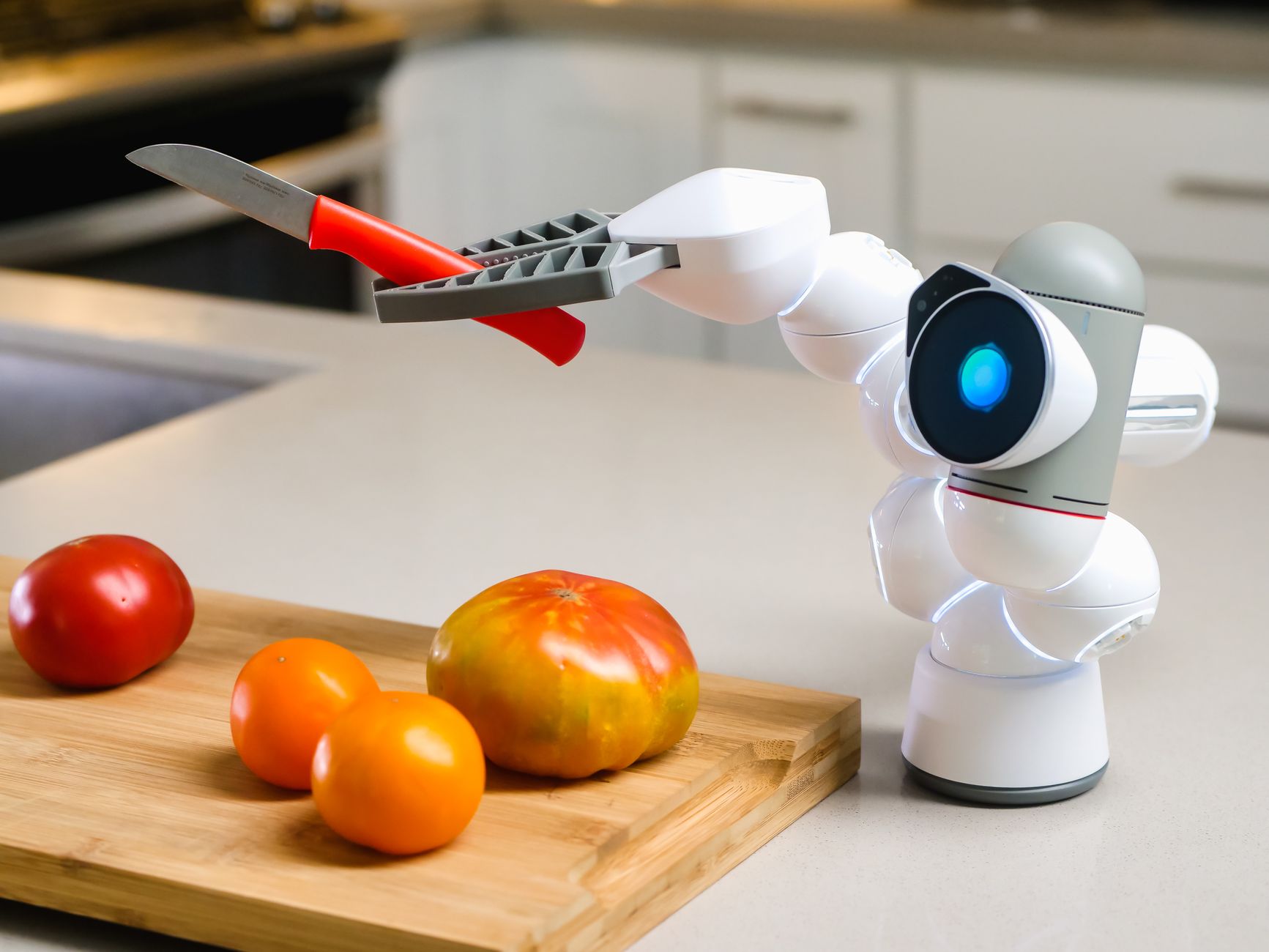
What are the best smart cooking gadgets for efficiency in 2026?
The best smart cooking gadgets for efficiency in 2026 include multi-cookers, smart ovens, and connected air fryers, all offering remote control, precise cooking, and recipe guidance for cost-effective meal preparation.
In today’s fast-paced world, the kitchen is often the operational hub of a busy household. Finding ways to streamline meal preparation, reduce energy consumption, and manage costs is paramount. Thankfully, the advancements in smart kitchen technology in 2026 offer more than just convenience; they present genuine opportunities for efficiency gains and long-term cost savings. These gadgets integrate smoothly into our lives, allowing for remote monitoring, automated processes, and data-driven cooking that can significantly impact both time and budget.
⚡ In a Rush? Key Takeaways
- Smart multi-cookers can save 30-50% on energy compared to traditional stovetop methods for similar dishes.
- Connected ovens offer remote preheating, reducing preheat energy waste by an estimated 15%.
- Smart air fryers can cook certain items 25% faster than conventional ovens, leading to energy savings per meal.
- Recipe guidance on smart devices helps minimize food waste by using ingredients efficiently.
- ✅ The top smart gadgets help hands-off cooking, freeing up valuable time for busy households and aligning with cost-efficient routines.
Can smart multi-cookers genuinely reduce household energy bills?
Yes, smart multi-cookers use 30-50% less energy than traditional stovetop cookware for comparable dishes, thanks to efficient heat distribution and controlled cooking times.
Multi-cookers, often incorporating pressure cooking, slow cooking, and sauté functions, have become indispensable for busy families. In 2026, their smart capabilities further enhance their efficiency. These devices are designed for rapid heat transfer and retention, meaning they reach optimal cooking temperatures faster and maintain them with less energy fluctuation than a stovetop burner. For instance, cooking dried beans on the stovetop might take 2–3 hours and require constant monitoring, whereas a smart multi-cooker can achieve the same result in 30–45 minutes under pressure, using significantly less wattage. The ability to precisely control temperature and cooking time prevents overcooking, a common source of energy waste.
The energy savings are quantifiable. Consider a dish that requires 1 hour of simmering on a gas or electric stovetop. This might consume approximately 1–1.5 kWh of electricity or its equivalent in gas. A smart multi-cooker, leveraging its pressure-cooking function, could complete the same task in 30 minutes, often below 0.7 kWh. Over a year, for a family cooking several times a week, this difference translates to tangible savings on energy bills. Furthermore, many smart multi-cookers allow you to schedule cooking to begin at off-peak electricity hours, further optimizing cost.
How do multi-cooker cooking times compare to traditional methods?
Smart multi-cookers reduce cooking times by 30-60% for many dishes, particularly those requiring pressure or slow cooking, compared to conventional stovetop or oven methods.
The science behind accelerated cooking in multi-cookers, particularly pressure cookers, is straightforward. By sealing the pot and increasing the internal pressure, the boiling point of water is raised. This higher temperature significantly speeds up the cooking process, especially for dense foods like grains, beans, and tough cuts of meat. For example, a pot roast that might take 3–4 hours in a conventional oven or slow cooker can often be tenderized to perfection in 60–90 minutes in a smart multi-cooker set to pressure mode.
This reduction in cooking time not only saves energy but also preserves more nutrients in the food, as longer cooking times can degrade heat-sensitive vitamins. The controlled environment also minimizes evaporation, meaning less liquid is needed, and flavors are intensified. This efficiency in cooking time is what makes these devices so appealing for busy weeknights. The ability to perform multiple functions—sautéing aromatics before pressure cooking, for instance—in a single pot also reduces the number of dishes to wash, contributing to overall household efficiency.
What are the real-world cost savings per meal with a smart multi-cooker?
Smart multi-cookers can save $0.15–$0.40 per meal compared to traditional ovens or stovetops, primarily due to reduced cooking time and more efficient energy usage.
When we talk about cost per meal, it’s not just the purchase price of ingredients; it’s also the energy consumed to prepare that meal. A typical family might cook 5–7 main meals per week. If each meal cooked in a smart multi-cooker saves an average of $0.25 in energy costs compared to older methods, that’s a weekly saving of $1.25–$1.75. Over a year, this adds up to $65–$91. While this may seem small on its own, it’s part of a larger ecosystem of savings that smart kitchen technology offers.
These savings become even more pronounced when considering the versatility of multi-cookers. They can replace several single-purpose appliances, like slow cookers or rice cookers, reducing the need for multiple devices that each draw power. The energy efficiency of a well-designed multi-cooker means that you’re not paying for wasted heat escaping into the kitchen, as can happen with stovetop burners or ovens. The total cost of ownership, considering purchase price, energy use, and longevity, often favors these modern appliances even beyond the per-meal energy savings.
How do connected ovens and smart air fryers improve cooking efficiency?
Connected ovens and smart air fryers boost efficiency by enabling remote operation, reducing preheat waste, and offering faster cooking times for smaller portions, cutting energy use per dish.
Smart ovens and their smaller, faster cousins, smart air fryers, are revolutionizing how we approach cooking, particularly for households juggling multiple demands. Their connected capabilities allow for a degree of control and precision previously unavailable to the average home cook. This translates directly into efficiency by minimizing energy waste and optimizing cooking times.
Can smart ovens reduce the energy wasted during preheating?
Yes, connected ovens can reduce preheating energy waste by 10–20% through precise scheduling and adaptive heating, ensuring the oven is ready when you are.
Preheating an oven is a significant energy consumer. A conventional oven might run at full power for 15–20 minutes before it’s ready to accept food, during which time a substantial amount of heat escapes into the kitchen. Smart ovens, however, can connect to your home network and be preheated remotely via a smartphone app. This means you can initiate preheating as you leave work, ensuring the oven reaches the target temperature just as you arrive home with groceries. This targeted approach minimizes the time the oven spends heating before actual cooking begins.
Beyond remote activation, some smart ovens employ adaptive preheating technology. They learn your typical cooking patterns and adjust preheat times accordingly. For example, if you usually put food in the oven 10 minutes after starting the preheat cycle, the oven might stop heating slightly earlier, or maintain temperature more efficiently, to be ready precisely when needed. This level of intelligent control prevents unnecessary energy expenditure, contributing to a lower overall energy footprint for your cooking activities.
Is a smart air fryer more energy-efficient than a conventional oven for small meals?
Smart air fryers are 20-30% more energy-efficient for small portions due to their rapid heating element and compact cooking chamber, significantly reducing cook times and energy per dish.
Air fryers, in general, are lauded for their efficiency when cooking smaller portions. Their compact design and powerful, fast-acting heating elements mean they heat up in minutes, compared to the 10–20 minutes a conventional oven might take. This rapid heat-up, combined with the circulation of hot air, cooks food more quickly. For items like chicken tenders, fries, or a single piece of fish, an air fryer can complete the task 20–30% faster than a conventional oven set at the same temperature.
The ‘smart’ aspect adds another layer of control. A connected air fryer allows you to monitor cooking progress remotely, receive notifications when food is ready, and even adjust settings without being in the kitchen. This prevents overcooking and reduces the likelihood of needing to re-cook or discard meals, which is a form of indirect cost savings. While a large meal might still benefit from the capacity of a conventional oven, for the majority of quick weeknight meals and snacks, the smart air fryer provides a demonstrably more energy-efficient solution per serving.
What is the cost per use difference between air fryers and conventional ovens?
Air fryers typically cost $0.08–$0.15 per use for small batches, whereas conventional ovens cost $0.15–$0.30 for similar-sized portions due to longer preheat and cook times.
The cost per use calculation for cooking appliances is complex, involving wattage, time, and the efficiency of heat transfer. A typical 1,700W air fryer running for 15 minutes uses approximately 0.425 kWh. At an average US electricity rate of $0.16/kWh, this comes to about $0.068 per use. A conventional oven, using around 2,500W and requiring 15 minutes of preheating plus 20 minutes of cooking (total 35 minutes), would use approximately 1.45 kWh, costing about $0.23 per use. These figures can vary based on appliance models and local electricity rates, but the trend remains consistent: air fryers are more economical for smaller cooking tasks.
Smart features do not significantly alter the energy consumption per cycle but enhance user convenience and can indirectly contribute to cost savings. For example, if you forget about food in a conventional oven and it overcooks, you might have to toss it. A smart air fryer’s notification system can help prevent this. Furthermore, the ability to cook multiple items in batches in an air fryer, rather than using one large oven for several small items, is often more energy-efficient when considering the total energy expenditure for feeding a family.
How do smart kitchen gadgets minimize food waste and related costs?
Smart kitchen gadgets minimize food waste through precise recipe guidance, inventory tracking, and optimal cooking, saving households an estimated $200–500 annually.
Food waste is a considerable hidden cost for households, both financially and environmentally. Fortunately, smart kitchen technology offers several avenues for reducing it, transforming how we manage our kitchens and our groceries. These innovations empower cooks with better planning, more precise execution, and proactive inventory management.
Can smart recipe guidance help use ingredients before they spoil?
Yes, smart recipe apps and connected appliances suggest recipes based on available ingredients, helping use items nearing expiry and potentially saving $50–100 annually.
A common cause of food spoilage is purchasing ingredients without a clear plan for their use, or having items in the refrigerator that are forgotten until they are no longer safe to eat. Many smart kitchen platforms and apps now include features that allow users to input the ingredients they have on hand. Based on this inventory, the system can then suggest recipes that use those specific items. This proactive approach ensures that produce, meats, and dairy are used at their peak freshness.
For example, if you have bell peppers and onions nearing the end of their shelf life, a smart recipe app can flag a stir-fry or fajita recipe requiring those ingredients. Some advanced systems even integrate with smart refrigerators that can track expiration dates, prompting you to use items before they go bad. This intelligent guidance helps families make the most of their grocery purchases, reducing the amount of food thrown away. The financial impact of reducing food waste, even by 10–15%, can equate to hundreds of dollars saved annually in groceries.
What role does inventory tracking play in reducing waste with smart appliances?
Smart inventory tracking in connected refrigerators or via apps prevents overbuying and missed expiration dates, potentially saving $80–150 annually by ensuring ingredients are used effectively.
Inventory tracking is perhaps the most direct method smart kitchen technology employs to combat food waste. Connected refrigerators, equipped with internal cameras or manual input systems, can maintain a digital log of the items stored inside. Users can access this log through a smartphone app, allowing them to check what they have while at the grocery store, thereby avoiding duplicate purchases. This capability is invaluable for preventing the accumulation of unused items that eventually spoil.
Beyond mere listing, advanced inventory systems can alert users to items that are nearing their expiration dates. This proactive notification allows for timely meal planning to ensure these ingredients are consumed. For instance, a notification might highlight that a carton of milk will expire in three days, encouraging the user to plan for milk-based recipes like smoothies, pancakes, or creamy soups. By making consumers more aware of their current food stock and its shelf life, smart inventory tracking directly addresses a primary driver of household food waste.
Do smart gadgets help with portion control and preventing over-preparation?
Yes, smart features in ovens and multi-cookers offer precise portion control and recipe scaling, reducing over-preparation and potential food waste by 10-20%.
Over-preparing food for a household, especially when numbers fluctuate or appetites vary, is another common cause of waste. Smart cooking appliances and their associated apps can assist with portion control and recipe scaling. When a recipe is designed for six people, but you only have four, a smart recipe app can automatically adjust ingredient quantities and cooking times. This ensures you’re using only the amount of food needed, thereby minimizing leftovers that might not be consumed.
This precision is particularly useful for families with young children who may eat smaller portions, or for individuals cooking for one or two people. The ability to scale recipes accurately means less food is left uncooked or prepared beyond what will be eaten, directly reducing the amount of surplus food that often ends up in the bin. This mindful approach to preparation not only saves food but also can lead to healthier eating habits by encouraging sensible portion sizes.
Frequently Asked Questions about Smart Cooking Gadgets
### What is the approximate lifespan of smart kitchen gadgets?
Smart kitchen gadgets typically last 7–10 years, with the functional lifespan often dictated by software updates and hardware durability rather than obsolescence.
Are smart appliances worth the upfront cost for a busy household?
Yes, smart appliances are worth the upfront cost for busy households, as they offer significant time savings, energy efficiency, and reduced food waste, leading to long-term financial benefits.
How do I ensure my smart cooking gadgets receive necessary software updates?
Ensure your smart gadgets are connected to your home Wi-Fi network and that automatic updates are enabled within the device’s settings or companion app for continuous functionality.
Can smart cooking gadgets be controlled without a smartphone or Wi-Fi?
Many smart gadgets offer basic manual controls for core functions. However, advanced features like remote access, scheduling, and recipe guidance require a Wi-Fi connection and often a companion app.
What is the average cost of running a smart multi-cooker versus a traditional one?
Smart multi-cookers’ running costs are comparable to traditional models, with any slight difference often favoring the smart version due to optimized energy management features.
— Greta Michaud, Home Appliance Efficiency Researcher