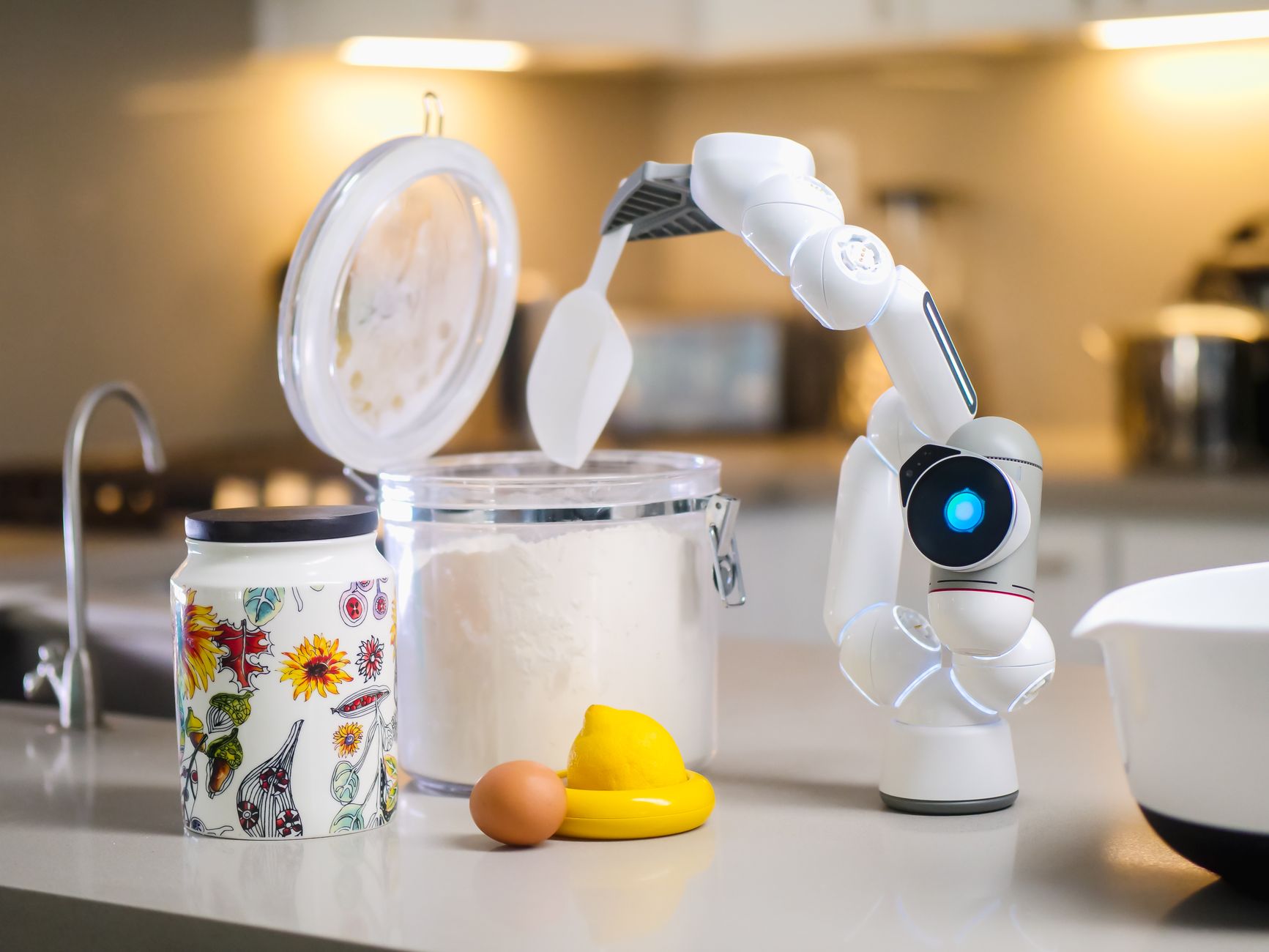
The kitchen has always been the heart of the home, a space where innovation meets tradition. Today, this evolution is most evident in the appliances that inhabit it. We stand at a crossroads, weighing the allure of intelligent, connected ‘smart’ features against the steadfast reliability of traditional cooking methods. This isn’t merely a choice between new gadgets and old favourites; it’s an assessment of your budget, your energy consumption, and ultimately, how you want to interact with your culinary space.
⚡ In a Rush? Key Takeaways
- Smart ovens save 10-15% on pre-heating energy compared to traditional models.
- Traditional ranges cost up to $800 less upfront than comparable smart models.
- Smart appliances can cost $100-300 more per year in electricity, though some models offer efficiency gains.
- Guided recipes and sensors on smart appliances offer convenience, not necessarily cost savings.
- ✅ Verdict: Traditional cooking offers better upfront value and lower running costs per cycle for most households.
How Do Smart Kitchen Features Affect Upfront Costs Compared to Traditional Appliances?
Smart kitchen appliances carry a significant price premium, often $200 to $800+ more than their traditional counterparts for similar capacity and core function.
When considering a kitchen upgrade or new appliance purchase in 2026, the initial investment is often the most prominent factor. Smart kitchen features, while offering a glimpse into the future, invariably come with a higher price tag. This is a crucial point for homeowners and renters operating within a defined budget. The advanced technology, integrated sensors, Wi-Fi connectivity, and sophisticated control interfaces all contribute to a higher manufacturing cost, which is then passed on to the consumer.
For instance, a standard high-capacity electric range might cost between $800 and $1,500. A comparable smart range, offering features like remote preheating, internal cameras, or guided cooking programs, can easily range from $1,500 to $2,500 or even higher. This disparity means that outfitting an entire kitchen with smart appliances can result in tens of thousands of dollars in additional upfront expenditure compared to choosing traditional models.
This upfront cost is not a minor consideration; it can dictate the feasibility of implementing smart technology in the first place. For many, the promise of efficiency savings down the line must be weighed against the immediate financial outlay. The gap is not just in the core appliance; it extends to smart refrigerators, dishwashers, and even microwaves, each carrying a premium for their connected capabilities.
Is the High Cost of Smart Appliances Justified by Their Technology?
Smart appliance costs reflect advanced integrated technology, but this doesn’t always translate to essential functionality or superior cooking results for the average user.
The question often arises: is the advanced technology embedded in smart appliances truly worth the extra investment? These machines are equipped with features such as touchscreens, mobile app control, internal cameras, self-diagnostics, and even guided recipe integration. For the tech-enthusiast or the household that thrives on remote control and automation, these features can indeed enhance convenience and add a certain ‘wow’ factor.
However, when the core task is cooking, the practical benefit of these features needs careful evaluation. Does being able to preheat your oven from your car truly improve the quality of the roast chicken? Does a refrigerator that can order your groceries save you more money than a traditional one with careful meal planning? For many, the answer is no. The added complexity can sometimes detract from the simplicity and focus that traditional cooking encourages.
The components contributing to the higher cost include:
- Connectivity modules: Wi-Fi or Bluetooth chips for remote access.
- Advanced sensors: For temperature, humidity, or even food recognition.
- High-resolution displays: Interactive touchscreens for operation.
- Sophisticated software: Operating systems and app integration.
- Robust build quality: Often paired with premium materials to match the ‘smart’ aesthetic.
While these technological advancements are impressive, their impact on the actual cooking experience and cost-effectiveness is often marginal for the average home cook. The upfront cost remains a significant barrier, making traditional appliances the more accessible choice for budgetary reasons.
How Much Do Smart Appliances Typically Cost More Than Traditional Models?
Expect to pay an average of $200 to $800 more for a smart appliance compared to its traditional counterpart, with some high-end models exceeding this difference significantly.
To provide a more concrete understanding of the financial disparity, let’s look at some typical cost differences. These figures are based on market averages observed in early 2026:
| Appliance Type | Traditional Model (Avg. Price) | Smart Model (Avg. Price) | Price Difference |
|---|---|---|---|
| Electric Range (Standard Capacity) | $1,200 | $2,000 | $800 |
| French Door Refrigerator (25-28 cu ft) | $1,800 | $2,600 | $800 |
| Dishwasher (Built-in) | $750 | $1,100 | $350 |
| Microwave (Countertop) | $250 | $450 | $200 |
It’s important to note that these are average figures. High-end and luxury brands offering extensive smart ecosystems can command even higher premiums. For example, a full suite of connected appliances from a premium brand could easily push the total cost an additional $2,000 or more compared to a similarly sized traditional set.
When planning a kitchen renovation, factoring in this additional cost for smart features is essential. If the budget is a primary concern, focusing on high-quality traditional appliances that excel in core performance and durability often provides better long-term value. The initial savings from opting for traditional models can be substantial and redistributed to other areas of the kitchen project, such as improved countertops or cabinetry.
How Does Energy Efficiency Compare Between Smart and Traditional Kitchen Appliances?
Smart ovens offer modest pre-heat energy savings, but overall energy efficiency often hinges more on usage habits than the appliance’s connectivity features.
One of the most frequently cited benefits of smart kitchen technology is its potential for energy efficiency. Marketing often suggests that connected appliances, with their precise controls and intelligent features, can significantly reduce household energy consumption. However, a closer examination of the data reveals a more nuanced picture, particularly when comparing smart models to their highly efficient traditional counterparts.
In the realm of ovens, smart technology does offer some definite advantages. The ability to preheat remotely means the oven is at the optimal temperature precisely when you need it, potentially reducing the time it spends heating up. Some sources indicate this can shave off 10–15% of the pre-heating energy compared to a traditional oven that might sit on standby, heating the kitchen and radiating heat before you’re ready to cook. This is a tangible efficiency gain, especially for households that frequently bake or roast.
However, the overall energy consumption of an oven per cooking cycle is influenced more by cooking time, temperature setting, and the type of dish being prepared than by the smart features themselves. A traditional oven that is well-insulated and uses efficient heating elements can also be remarkably energy-efficient. The energy used during the actual cooking phase often dwarfs the energy saved during preheating.
For refrigerators, the efficiency comparison is even less clear-cut. Modern traditional refrigerators, especially those with ENERGY STAR certifications, are already highly optimized for energy use. While smart refrigerators offer features like internal cameras to check inventory remotely, this functionality often requires constant power for the camera and display, potentially negating any energy savings achieved through optimized cooling cycles. The energy consumed by the smart components themselves can add a slight burden.
Dishwashers present a similar scenario. High-efficiency traditional dishwashers can wash a full load using significantly less water and energy than hand-washing. Most smart dishwasher features focus on cycle customization, delayed starts, or remote monitoring. While these can encourage running the dishwasher at off-peak electricity hours or only when it’s full, they don’t inherently change the machine’s fundamental energy or water consumption per cycle compared to a top-rated traditional model.
Do Smart Appliances Use More Electricity Overall?
Smart appliances may consume slightly more electricity due to components like Wi-Fi modules and displays, adding an estimated $100-$300 annually to energy bills.
The continuous operation of Wi-Fi connectivity, integrated displays, and internal sensors means that smart appliances often have a higher baseline electricity consumption than their traditional counterparts. While these ‘vampire loads’ or standby power demands are relatively small for individual components, they add up across multiple appliances running 24/7.
Estimates suggest that the added energy consumption from these smart features can range from 50 to 200 kWh per year, depending on the appliance and how much it’s used. At an average US electricity rate of $0.16 per kWh (as of early 2026), this translates to an additional cost of approximately $8 to $32 per year for *each* smart appliance. For a kitchen outfitted with a smart refrigerator, oven, and dishwasher, this can amount to an extra $100 to $300 on the annual electricity bill.
Traditional appliances, particularly those with excellent ENERGY STAR ratings, are engineered to minimize standby power. They lack the power-hungry communication modules and large displays that characterize smart devices. While not ‘zero-energy’ when idle, their standby consumption is typically negligible in comparison.
This is a critical consideration for anyone looking to maintain or reduce their home’s energy expenses. The perceived efficiency benefits of smart technology might be offset, or even outweighed, by the continuous draw of their electronic components. For maximum energy efficiency, focusing on ENERGY STAR-certified traditional appliances and mindful usage habits remains the most effective strategy.
What Do Energy Labels Tell Us About Smart vs. Traditional Appliance Efficiency?
Current ENERGY STAR ratings primarily assess core functions, not the energy impact of smart features, meaning traditional appliances often appear more efficient by default.
The current ENERGY STAR certification standards, while rigorous, primarily focus on the core functional energy consumption of appliances—how much energy an oven uses to bake, or how much a refrigerator uses to cool. They do not always fully account for the additional energy consumed by constant Wi-Fi connectivity, interactive displays, or integrated processors that define smart appliances.
This means that a highly efficient traditional dishwasher might receive a top ENERGY STAR rating, while a smart dishwasher with comparable core performance but added connectivity features might appear equally efficient on paper, despite its higher overall electricity draw. The energy consumed by the ‘smart’ aspects is often not a primary metric in these standard energy labels. Therefore, relying solely on these labels without understanding the underlying technology can be misleading.
To truly compare, one must look beyond the ENERGY STAR rating and consider the specifications for standby power consumption or ‘connected standby power,’ if available. Manufacturers are beginning to provide this data, but it’s not yet universally standardized or easy to find. It’s a good practice to research independent reviews that measure real-world energy usage, including the impact of smart features.
For the energy-conscious consumer, this underscores the importance of research. While smart features are the innovation, the fundamental design and insulation of traditional appliances often give them an edge in pure energy efficiency per core task. The ‘smart’ additions, while convenient, can represent an energy cost that isn’t always transparently reflected in official energy ratings.
Convenience and Functionality: Where Smart Features Shine
Smart kitchen features excel in convenience, offering remote control, guided recipes, and automated functions that streamline cooking tasks.
While cost and energy efficiency present a strong case for traditional appliances, the undeniable advantage of smart kitchen technology lies in its convenience and enhanced functionality. These features are designed to simplify tasks, offer greater control, and even assist novice cooks in achieving professional-level results. In a fast-paced world, the appeal of a kitchen that works smarter, not just harder, is significant.
One of the most touted benefits is remote operation. Imagine preheating your oven on your commute home, so it’s ready the moment you walk through the door. Or receiving a notification on your phone when your dishwasher cycle is complete. This level of connectivity allows for greater flexibility and time-saving integration into daily routines. For busy families or individuals who juggle multiple responsibilities, these features can be invaluable.
Beyond remote control, smart appliances often incorporate sophisticated cooking assistance. Built-in sensors can monitor the internal temperature of food (like roasts or poultry) and automatically adjust cooking times and temperatures to ensure perfect results, preventing overcooking or undercooking. Many smart ovens and ranges feature guided cooking programs that walk users through recipes step-by-step, controlling heat and timing for optimal outcomes. This can be particularly beneficial for those looking to expand their culinary repertoire without the stress of complex techniques.
Smart refrigerators offer features such as customized cooling zones for different types of food, inventory management via internal cameras, and even digital touchscreens that can act as a family hub for notes, calendars, and streaming music. These additions move the refrigerator beyond mere cold storage to become a more integrated part of household management.
While these conveniences don’t directly save money on the utility bill, they contribute to a more smooth and enjoyable kitchen experience. The time saved on monitoring cooking, the reduction in food spoilage due to better inventory management, and the simplified operation of complex tasks are all part of the value proposition for smart kitchen technology. For some, this enhanced user experience and time savings are worth the higher upfront and potential running costs.
How Do Guided Recipes and Cooking Sensors Enhance the Cooking Experience?
Guided recipes and sensors automate cooking, reducing user error and enhancing consistency for better meal outcomes, regardless of skill level.
The integration of guided recipes and advanced cooking sensors represents a significant leap in culinary assistance. These technologies aim to demystify complex cooking processes and ensure consistently good results, making them particularly appealing to home cooks who may lack extensive experience or confidence in the kitchen.
Guided recipes typically involve a step-by-step interface, either on the appliance’s touchscreen or via a companion mobile app. The appliance communicates with the user, prompting them on when to add ingredients, adjust settings, or turn food. For example, a recipe for a rack of lamb might instruct you to sear it, then insert a probe, and the oven will automatically manage the cooking time and temperature for perfect medium-rare doneness. This takes the guesswork out of timing and temperature control, which are often the trickiest aspects of cooking.
Cooking sensors go a step further by actively monitoring the environment within the appliance or the food itself. In ovens, temperature sensors maintain a precise and stable cooking environment, compensating for minor fluctuations that can occur with traditional thermostats. Food probes, mentioned previously, measure the internal temperature of meats, alerting the user when the desired level of doneness is reached. Some advanced refrigerators also use sensors to monitor the freshness of produce, suggesting when items should be used to minimize waste.