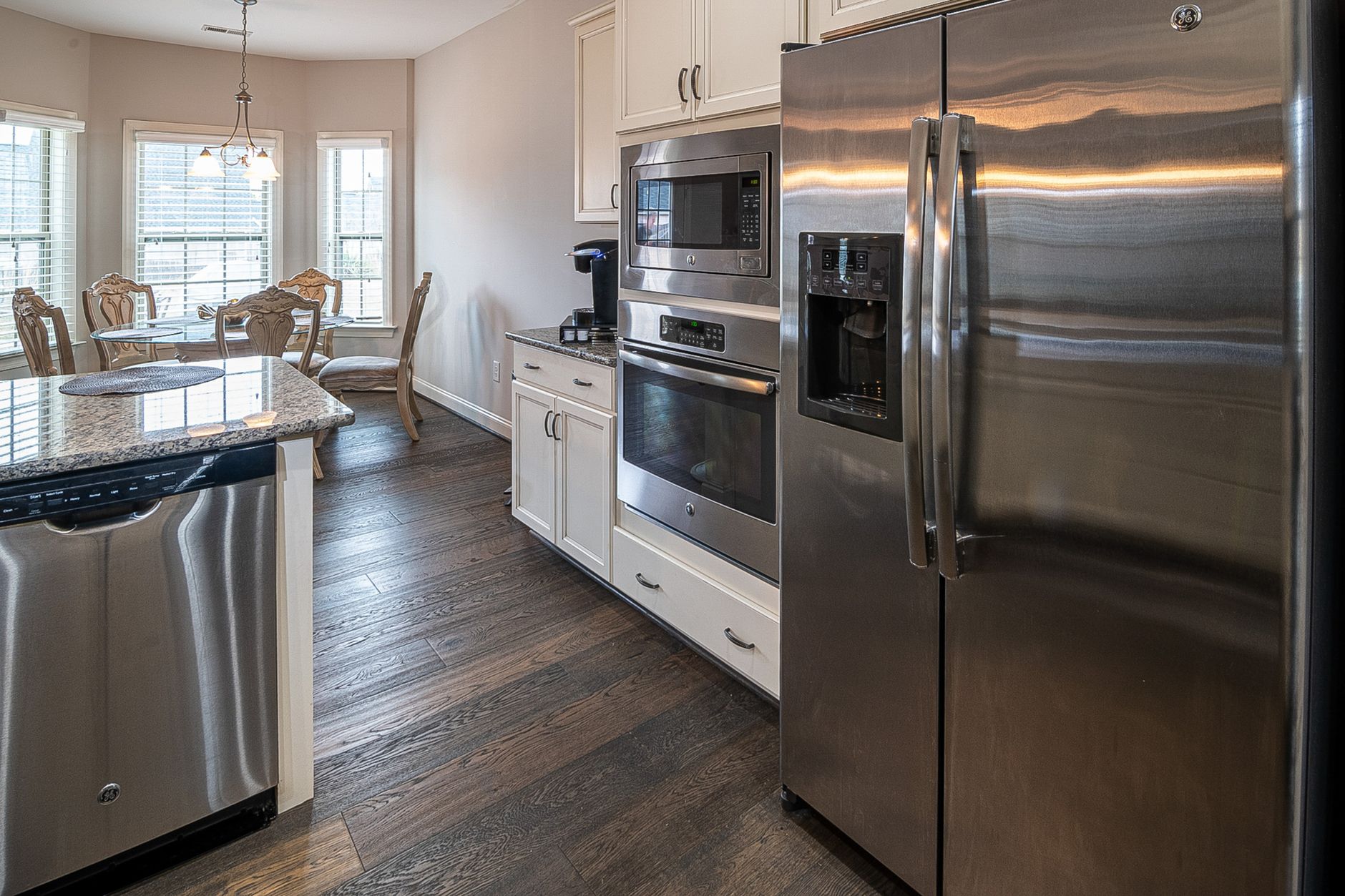
When embarking on a kitchen renovation or replacing multiple aging appliances, the appeal of a bundled package is undeniable. Retailers often present these collections as a straightforward path to savings, promising convenience and a cohesive look. However, simply accepting the bundled price at face value might mean overlooking significant opportunities for better value tailored to your specific needs and priorities.
⚡ In a Rush? Key Takeaways
- Bundles can save 5-20% on average, but the actual discount varies by retailer and brand.
- Individual appliance prices fluctuate more, offering potential for greater savings if timed correctly.
- Bundle deals often force you into brands or models that may not be your first choice.
- Running costs (energy, water) are rarely detailed in bundle offers but drastically affect long-term value.
- ✅ Bundles are worth it if your needs align perfectly with the package and timing aligns with sales events.
How Much Do Kitchen Appliance Bundles Actually Save?
Kitchen appliance bundles can save 5–20% on average, but this discount is highly variable and depends on specific retailer promotions, brand alignment, and the timing of your purchase.
What is the Average Discount on Appliance Bundles?
The attraction of a kitchen appliance bundle is the perceived immediate saving. Retailers often advertise impressive percentages off the combined individual prices, sometimes ranging from 10% to 20% or even more during major sale events. This saving is typically achieved by packaging lower-margin items with higher-margin ones, or by offering a tiered discount structure where buying more pieces yields a greater percentage off. For instance, a manufacturer might offer a 5% discount for purchasing two appliances, 10% for three, and 15% for a full suite of four (refrigerator, range, dishwasher, microwave). However, it’s crucial to verify that the listed ‘individual’ prices are current market values and not inflated to make the bundle discount appear larger than it is.
When Do Bundle Deals Offer the Best Value?
The timing of your purchase is paramount when considering appliance bundles. Look for these deals during peak retail periods such as Black Friday, President’s Day sales, Memorial Day, Labor Day, and the extended holiday season from November through January. Manufacturers also launch new models throughout the year, often clearing out older, still perfectly capable inventory at significant discounts. If you can align your purchase with one of these sales periods, the savings from a bundle can be genuinely compelling. For example, a bundle announced in May might offer a 15% saving, but if you wait until a Black Friday sale in November, the same or a similar bundle might be available with a 20% discount or include a free upgrade on one appliance.
Does Brand and Model Choice Matter in Bundles?
This is where the perceived saving can quickly erode. While a bundle might offer a discount on a package of, say, Samsung or LG appliances, your personal research might point towards Bosch for dishwashers or Whirlpool for refrigerators due to specific performance metrics or reliability data. When you opt for a bundle, you often have limited flexibility in model selection. You might be locked into a particular refrigerator model that has mediocre energy efficiency ratings or a dishwasher with a longer cycle time than you prefer. The actual saving isn’t just the upfront price difference; it’s the total cost of ownership, which includes energy consumption over the appliance’s lifespan. Sometimes, paying a bit more for an individual, better-suited appliance outweighs the bundle discount.
Individual Appliance Purchases: The Cost Comparison
Purchasing appliances individually allows for tailored choices and leverages market fluctuations, potentially yielding greater savings than pre-set bundles if timed correctly.
Leveraging Sales and Promotions on Single Appliances
Retailers and manufacturers frequently run individual sales on specific appliance types. A 2026 study indicated that refrigerator sales can see discounts ranging from 10% to 30% during promotional periods, especially as new models are introduced. Similarly, major appliance brands often offer substantial rebates or discounts on dishwashers or ranges independently. If you are strategic and patient, you can build a suite of appliances from different brands and models that are each the best performer in their category *for you*, and acquire them at deeply discounted prices over several months. This strategy requires more effort and planning but can result in a higher quality kitchen with a lower total cost of ownership.
The Impact of Energy Efficiency on Long-Term Costs
Appliances are significant energy consumers. While a bundle might offer an upfront saving of $500, if the included refrigerator uses an extra 150 kWh per year compared to a slightly more expensive individual purchase, that’s an additional $15-$25 annually at average US electricity rates (around $0.16/kWh). Over a 10-15 year lifespan, this difference in energy cost can easily surpass the initial bundle saving. Similarly, a dishwasher with a less efficient drying cycle or a range with poorer heat retention will incur higher utility bills. When buying individually, you can meticulously research the Energy Star ratings and real-world consumption data for each appliance, ensuring you select the most cost-effective models for your household’s usage patterns.
Consider this scenario: A bundle price is $4,000 for a refrigerator, range, and dishwasher. Individual purchases of the exact same models, bought during separate sales, might total $4,300 but then you find a slightly more energy-efficient individual dishwasher available for $600 that matches it aesthetically. If that dishwasher saves $25 per year in energy, over 12 years it offsets its higher purchase price. The bundle, though seemingly cheaper upfront, could cost more over time.
When Are Individual Purchases More Economical?
Individual purchases are often more economical when you are replacing appliances one at a time or when specific needs dictate a particular brand or model. If your existing refrigerator is still functional but your dishwasher has failed, you might buy a new dishwasher at a good sale price now. Months later, when your range needs replacing, you can buy that independently, perhaps during another specific appliance sale. This ‘staggered’ approach allows you to take advantage of the best deals as they appear for each item, rather than being tied to a pre-selected set. Furthermore, if a specific appliance from a particular brand consistently receives top ratings for reliability or performance in independent reviews (like reliability data from Consumer Reports), it might be worth paying a slight premium for that individual item, even if it doesn’t fit neatly into a bundle.
The Nuances of Bundle Packages: Beyond the Price Tag
Bundles can simplify the selection process and offer aesthetic cohesion, but buyers must carefully assess model options and hidden long-term costs.
Aesthetic Cohesion: Matching Finishes and Styles
One of the primary advantages of purchasing a kitchen appliance bundle is the guaranteed aesthetic cohesion. When you buy a package from a single brand, you can be assured that the finishes (e.g., stainless steel, black stainless, custom panel-ready) and design lines will match. This simplifies the renovation process, eliminating the often-frustrating task of trying to perfectly match different brands and models that may have slightly varying shades or handle designs. For homeowners prioritizing a uniform and polished look, this convenience can be a significant factor that offsets a portion of the potential upfront savings lost compared to individually sourced appliances.
The Trade-off: Flexibility vs. Convenience
The core trade-off with appliance bundles is convenience versus flexibility. A bundle offers extreme convenience: walk into a store or browse online, select a package that meets your basic requirements, and you’re done. You have a complete, matching set of appliances. However, this convenience comes at the cost of flexibility. You might be forced to accept a refrigerator with a top freezer when you prefer a French door, or a dishwasher with only basic cycles when you desire advanced cleaning options. If you have very specific requirements for size, features, or performance for any one appliance in the suite, a bundle is unlikely to meet them perfectly. In such cases, the time spent researching and purchasing individual appliances is often a worthwhile investment.
What About Installation and Delivery?
Many retailers include free or discounted delivery and installation for appliance bundles, which can represent a substantial saving if you were to hire these services separately. Professional installation, particularly for gas ranges or built-in refrigerators, can cost several hundred dollars. Some bundles also include haul-away services for your old appliances. When comparing the total cost, factor these services into your calculations. If a bundle includes free installation and haul-away, and individually sourced appliances would require you to pay for these services, the effective savings of the bundle might be higher than the base price difference suggests. However, always confirm the scope of these services – do they include electrical or plumbing work, or just basic hookups?
Making the Right Choice: A Decision Framework
To determine if a bundle is right for you, align your needs with package offerings and critically evaluate long-term value over immediate cost savings.
Is a Bundle Right for Your Kitchen Renovation?
A kitchen appliance bundle is likely a good choice for you if:
- You are undertaking a full kitchen remodel and need to replace all major appliances simultaneously.
- Your budget is a primary concern, and you are comfortable with the models offered within the bundle.
- A perfectly matching aesthetic across all appliances is a high priority.
- You are not overly particular about specific high-end features or niche performance aspects for each individual appliance.
- You can find a bundle that aligns with your planned purchase timing, ideally during a major sales event.
When to Stick to Individual Purchases
Conversely, you should strongly consider purchasing appliances individually if:
- You can only replace one or two appliances at a time.
- You have specific brand loyalty or high standards for performance, reliability, or energy efficiency in certain appliances (e.g., needing a specific dishwasher capacity, a quiet refrigerator, or a powerful range).
- You are willing to invest time in researching individual models and waiting for sales to secure the best deals on each item.
- The bundled models do not meet your size constraints or specific feature requirements for your kitchen layout.
- You prioritize long-term ownership costs (energy, water, maintenance) over immediate purchase price.
Calculating Total Cost of Ownership
To truly compare, create a spreadsheet. For a bundle, list the total price, then estimate its annual running costs (energy, water) based on its Energy Star rating and typical usage. For individual purchases, create rows for each appliance (refrigerator, range, dishwasher, microwave). Research current prices, factor in potential discounts or rebates, and then find the most energy-efficient models available within your preferred budget for each. Calculate their individual running costs. Sum up the purchase prices and a projected 10-year running cost for both scenarios. This detailed comparison will reveal which path offers superior value.
For example, a bundle might cost $4,500 with an estimated 10-year running cost of $1,200, for a total of $5,700. A carefully curated individual purchase strategy might lead to a total purchase price of $4,800 but with a 10-year running cost of $950, bringing the total to $5,750. In this instance, the individual purchase strategy offers a slightly higher upfront investment but a similar total cost of ownership, with the added benefit of having chosen precisely the appliances you wanted.
Frequently Asked Questions
-
Are kitchen appliance bundles truly cheaper?
They can be, but not always. While bundles offer stated discounts, the individual pricing of appliances fluctuates due to sales and promotions. If you time your individual purchases strategically, you may achieve similar or even greater savings.
-
Should I buy appliances from the same brand?
For aesthetic cohesion, buying from the same brand is often easiest. However, it’s not mandatory. Many homeowners successfully mix and match brands, focusing on the best individual performance, reliability, and value for each appliance type.
-
What is the biggest drawback of appliance bundles?
The primary drawback is the lack of flexibility. You are often limited to specific models within the bundle, which may not be your ideal choice for features, size, or energy efficiency.
-
How much can I expect to save with a bundle deal?
Savings typically range from 5% to 20% off the combined retail price of the individual appliances. However, this percentage can be misleading if the base prices used for calculation are inflated or if individual appliances are available at a deeper discount during separate sales.
-
When is the best time to buy kitchen appliances?
Major holidays like Black Friday, President’s Day, Memorial Day, Labor Day, and the end of the year (November-January) typically offer the best discounts and promotions on kitchen appliances, whether purchased individually or as part of a bundle.
— Greta Michaud, Home Appliance Efficiency Researcher