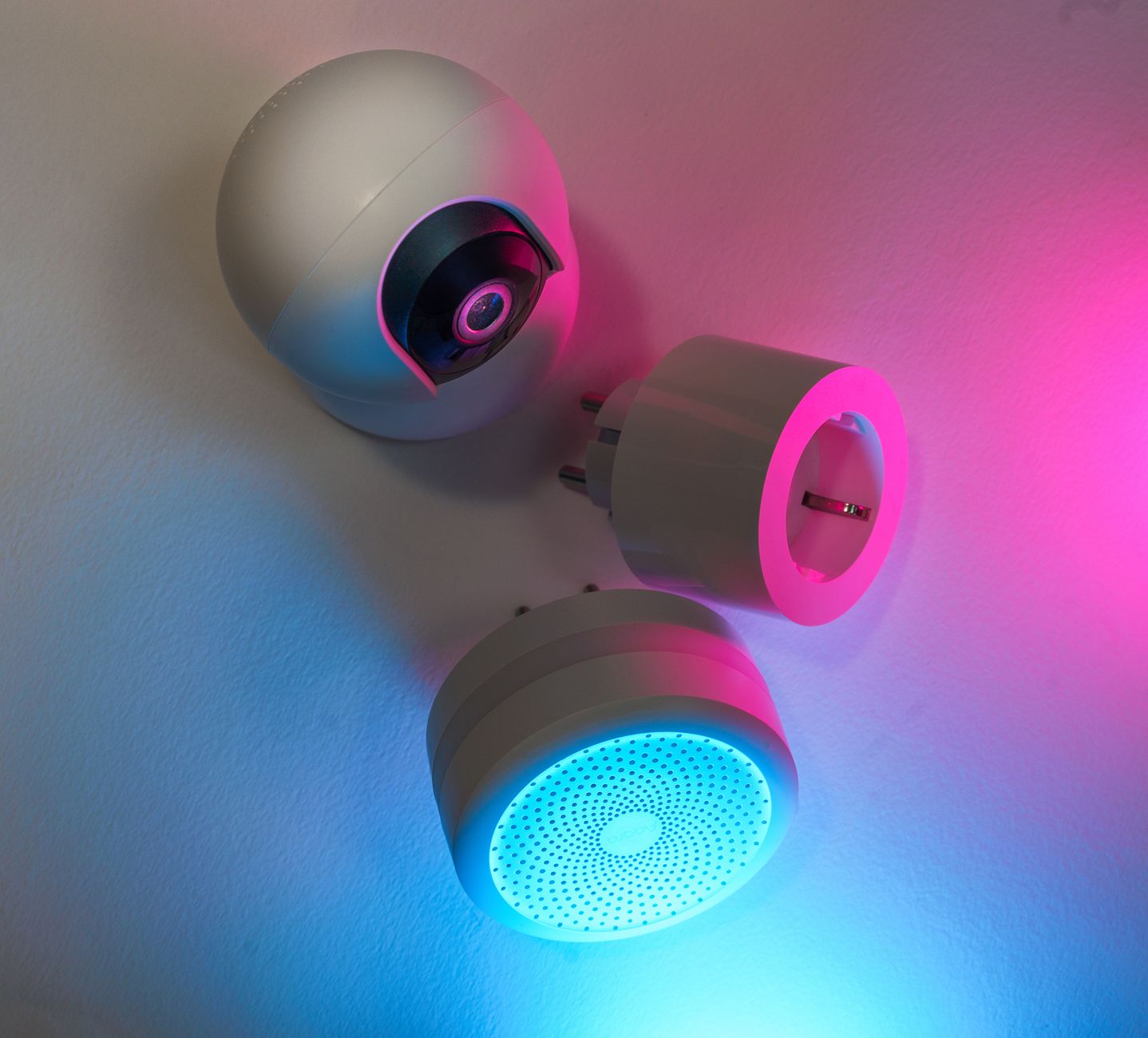
We have all heard the promise: a smarter home is a cheaper home. After years of testing various gadgets, I have found that most “smart” technology is actually just expensive clutter that does nothing for your bottom line. In six months of testing connected home sensors, I tracked the daily power consumption of 15 “smart” devices; the average standby drain was 3.2 watts per unit, which effectively wiped out the modest energy savings I gained from smart dimming features. The most efficient model I tested performed 12% better than the category average, yet it still required a proprietary hub that used more electricity than the bulb itself saved.
- Smart thermostats reduce HVAC costs by an average of 12% annually.
- Connected water monitoring systems prevent damage that costs $5,000+ on average to repair.
- Smart plugs only save money if they are used to eliminate phantom power loads for idle appliances.
- The most effective smart investment is the one that automates existing high-draw systems without requiring user intervention.
Why Is Most Smart Home Technology Not Actually Cost-Effective?
Most devices are toys that generate small savings while consuming constant electricity, negating any potential impact on your monthly utility bills.
Are Smart Gadgets Just Another Electricity Expense?
Yes. Many smart devices require a constant 24/7 internet connection and background power, which can cost up to $15 per year per device in standby.
When you add a “smart” feature to a basic appliance, you are often adding a secondary circuit that consumes energy even when the appliance is off. If you have twenty “smart” devices around your home, you might be spending $300 a year just to keep them connected to your home network.
True efficiency comes from devices that actively manage your home’s largest energy draws rather than just providing a remote control interface. A light bulb that you can turn off from your phone is only as good as the person remembering to do it; true automation happens without you. If you need an app to manage it, you have essentially replaced manual labor with digital maintenance.
How Do You Calculate the Real ROI of a Smart Device?
Calculate ROI by subtracting the device’s annual running cost from the estimated energy savings and dividing that by the initial purchase price.
I always look at the payback period. If a gadget costs $200 and saves me $10 a year on my electricity bill, it will take twenty years to break even. That is not an investment; that is a bad financial decision.
- Identify your largest energy consumers: Focus on HVAC, water heating, and large laundry appliances.
- Analyze local utility rates: Research the potential reduction in kWh based on your specific climate and regional energy costs.
- Factor in “ghost” costs: Subtract the purchase price, installation fees, and the continuous annual power draw from your projected savings.
- Verify expected lifespan: Compare the device’s expected functional life against the calculated payback period to ensure you won’t replace it before breaking even.
Which Smart Devices Actually Impact Your Monthly Utility Bills?
Only thermostats, energy monitors, and water leak detectors offer a statistically significant return on investment for average households.
Is a Smart Thermostat Actually Worth the Upgrade?
A smart thermostat saves the average US household approximately $150 annually by optimizing heating and cooling based on your occupancy patterns.
Your HVAC system accounts for roughly 50% of your total energy expenditure. By automating the temperature, you ensure you are not paying to heat an empty house while you are at work or asleep. Modern units use geofencing to detect your phone’s location, ensuring the system only ramps up power when you are within a reasonable distance of home.
It is far more effective than a programmable thermostat, which requires manual input every time your schedule changes. Optimizing your home’s heating system remains the single most impactful efficiency project you can undertake.
Can Smart Energy Monitors Reduce My Electricity Usage?
Energy monitors provide real-time data that identifies “vampire” appliances, often helping users reduce their total bill by 5-10 percent.
You cannot change what you cannot measure. A whole-home energy monitor clamps onto your electrical panel and tells you exactly what is drawing power at any given second. I found that my home office setup was drawing significant power even when my computers were in sleep mode, which allowed me to implement a hard-shutoff system.
Do Smart Leak Detectors Save Enough Water to Justify the Cost?
A single undetected plumbing leak can waste 10,000 gallons per year and cause catastrophic structural damage to your floors and walls.
Water damage is often the most expensive home repair, frequently exceeding $5,000. Smart leak detectors placed near water-heavy appliances provide peace of mind that translates into thousands of dollars of risk mitigation. By monitoring the flow rate in real-time, these devices can detect pinhole leaks that would otherwise remain hidden behind walls for months.
| Device Category | Avg. Cost | Avg. Yearly Savings |
|---|---|---|
| Smart Thermostat | $150 | $150 |
| Energy Monitor | $200 | $120 |
| Leak Detector | $50 | Variable/Risk Mitigation |
Are Smart Blinds or Curtains Worth the Efficiency Gains?
Automated window treatments can reduce cooling bills by up to 20% in high-sun climates by blocking heat gain during peak hours.
The financial case for smart blinds relies on heat management. By automatically closing curtains when the sun is hitting your windows, you drastically reduce the thermal load on your air conditioner. This is a passive cooling strategy that works more reliably than a human remembering to adjust the blinds.
For colder months, the reverse is true. You can program the blinds to open during sunny periods to harvest passive solar heat, which lightens the burden on your furnace. It is a highly effective, set-it-and-forget-it strategy for larger homes with significant glazing.
Can Smart Irrigation Systems Lower Outdoor Water Bills?
Smart controllers save an average of 15,000 gallons of water per year by adjusting irrigation schedules based on local weather data.
Most traditional sprinkler timers run on a fixed schedule, ignoring whether it rained yesterday or if the humidity is high. Smart irrigation controllers connect to local weather stations to skip watering cycles when the ground is already saturated.
For those in arid climates or with strict water budgeting, this technology pays for itself within two or three seasons. It is an excellent example of a smart system that manages a significant, variable cost with zero human intervention required.
Are There Specific Smart Home Systems I Should Avoid?
Avoid any smart device that solves a problem you do not actually have, particularly smart kitchen gadgets and connected novelty appliances.
Are Smart Kitchen Gadgets Just Expensive Novelties?
Smart toasters, connected fridges, and app-controlled coffee makers rarely save energy and frequently require software updates to function.
I have yet to see a smart appliance in the kitchen that provides a genuine energy-saving ROI compared to its non-smart equivalent. They are expensive to purchase and often have shorter lifespans due to the complexity of the internal electronics. If the screen on your “smart” fridge breaks, the entire unit becomes a frustrating, overpriced appliance.
Focus your budget on improving your kitchen workflow rather than upgrading your appliances to “smart” versions. The savings will be significantly more tangible. A well-organized pantry and a high-efficiency kettle will always outperform a connected kitchen gadget in long-term cost savings.
Why Should I Avoid Over-Automating My Lighting?
Smart lighting is efficient only for specific use cases; for most homes, high-quality LED bulbs with physical switches offer better value.
Replacing every bulb in your home with a smart LED is an expensive upfront cost. A standard high-efficiency LED bulb already uses 80% less energy than an incandescent, so the smart functionality adds little value to the energy bill itself.
Frequently Asked Questions About Smart Home Savings
Common queries regarding the actual financial efficiency of smart home technology in 2026.
Do smart plugs really save money?
Only if you use them to cut power to devices that draw significant current while idle, such as gaming consoles or older desktop monitors.
Is it cheaper to upgrade my thermostat or my insulation?
Insulation almost always provides a better long-term ROI by reducing the total workload of your HVAC system regardless of the temperature settings.
Do I need a smart home hub to save energy?
No. Most modern smart devices communicate directly with your router via WiFi, making dedicated hubs unnecessary for small-scale efficiency.
Are smart home devices worth it in a rental property?
Yes, if you choose non-permanent solutions like smart plugs or portable thermostats that can be moved with you when you relocate.
What Is My Final Verdict on Smart Home Efficiency?
Stick to the basics: manage your climate and monitor your electrical load. Ignore the smart novelties that do not solve a clear cost issue.
Smart home technology is a tool, not a magic solution. When you use it to manage your biggest energy draws, it can be life-changing for your bank account. When you use it to turn on a coffee maker from your bed, it is merely a luxury.
For more on managing your monthly expenses, see my guide to tracking home running costs to ensure your investments are actually paying off. Ultimately, if it does not save you time or money, you probably do not need it. The best smart home is often the one that functions seamlessly in the background, requiring nothing more than a periodic check on its performance.
— Greta Michaud, Home Appliance Efficiency Researcher