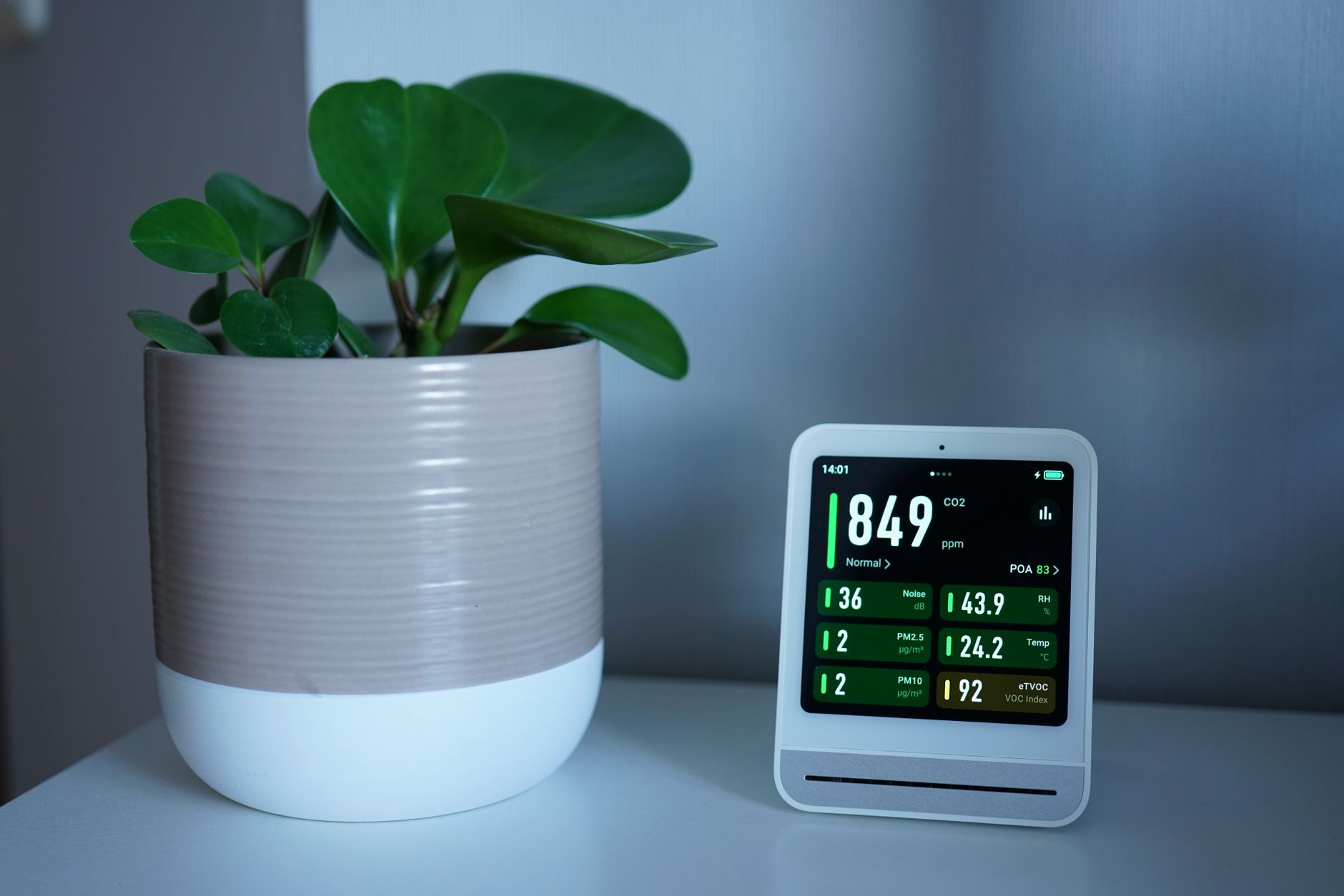
Air purifiers are effective tools for reducing indoor airborne particulates including dust, pollen, and pet dander, provided you select a model appropriately sized for your specific room dimensions. While they cannot eliminate all pollutants, they significantly lower the concentration of allergens that circulate through your living space daily.
⚡ In a Rush? Key Takeaways
- HEPA filters capture 99.97% of particles as small as 0.3 microns in size.
- Running a standard air purifier costs approximately $30–$60 annually in electricity.
- Replacement filter costs average $40–$100 per year depending on the specific model.
- Choosing a unit with an AHAM Verifide CADR rating ensures verified cleaning performance.
- ✅ Best value: Choose a unit sized for 20% more square footage than your room requires.
How Do You Determine if an Air Purifier Is Necessary?
An air purifier is worthwhile if your home suffers from high pollen, pet dander, smoke, or if occupants have respiratory issues.
What specific pollutants do air purifiers remove?
Most high-quality units use HEPA filters to effectively remove dust, pollen, pet dander, mold spores, and some smoke particles.
True HEPA filters are the gold standard because they are certified to trap nearly all microscopic particles that irritate human lungs. If you suffer from seasonal allergies, the reduction in pollen counts is often noticeable within the first 48 hours of consistent operation.
Are there downsides to using air purifiers?
Downsides include the recurring cost of filter replacements, potential noise levels at high speeds, and persistent energy usage.
You must factor in the long-term maintenance of the device. If you neglect to change the filters, the unit becomes a glorified fan that consumes electricity without improving your air quality. Noise is another consideration for bedroom use, though many modern units feature a ‘sleep mode’ that operates below 30 decibels.
Why are some air purifiers restricted in California?
California mandates that air purifiers must be certified to produce no more than 0.05 parts per million of ozone to be sold.
This regulation specifically targets ozone-generating devices that claim to purify air but may cause health complications. When shopping, always look for the CARB (California Air Resources Board) certification seal, which is a reliable indicator of safety regardless of where you live. For more on managing household energy, read my guide on home office electricity management.
How Much Does It Actually Cost to Run an Air Purifier?
Most modern residential air purifiers cost between $30 and $80 per year to operate continuously, including electricity and filters.
How does energy consumption impact annual bills?
At an average US electricity rate of $0.16 per kWh, running an air purifier costs roughly $2 to $5 per month on low settings.
Energy efficiency is crucial because these devices are meant to run for 12 to 24 hours daily. I always check for Energy Star certification, which ensures the motor is optimized for low-wattage operation. For a deeper look at utility planning, visit my monthly home cost tracker.
What is the true cost of filter maintenance?
Filter replacement costs typically range from $40 to $120 annually, depending on the manufacturer and the filter grade selected.
Manufacturers often suggest replacing filters every six months, but usage and local dust levels change this timeline. Some units feature pre-filters that you can vacuum, which extends the life of the primary HEPA filter. Using generic filters is a common way to save money, though I personally stick to manufacturer-specific parts to ensure seal integrity.
What Should You Look for When Buying a 2026 Model?
Prioritize CADR (Clean Air Delivery Rate) ratings, HEPA filtration standards, and noise levels when choosing your new unit.
Why is the CADR rating the most important metric?
The CADR rating measures the volume of clean air a unit delivers per minute, helping you match the device to your room size.
If a room is 300 square feet, ensure the purifier is rated for at least that size. Buying a unit that is too small for the space results in constant high-speed operation, which increases both energy costs and acoustic nuisance. You can see how this fits into your wider appliance budget by using my appliance performance guide.
Is there a difference between smart and manual controls?
Smart units feature air quality sensors that adjust fan speed automatically, while manual units offer more predictable operation.
Smart sensors are helpful for keeping the machine in its lowest power state until pollutants are detected. However, simple manual controls are often more reliable over a five-year lifespan. Decide based on whether you prefer set-and-forget convenience or maximum control over your power usage.
Frequently Asked Questions
What is the number one air purifier in the US?
While performance varies by need, Coway and Levoit consistently lead reviews for their balance of efficiency and price.
Are air purifiers recommended by doctors?
Doctors often recommend HEPA-certified purifiers to patients suffering from asthma or severe pollen allergies to improve air quality.
Can an air purifier run 24/7?
Yes, most air purifiers are designed for continuous operation and are safe to run indefinitely if filters are maintained.
Is a purifier effective against cooking odors?
HEPA filters handle particles, but you need a unit with an activated carbon filter to effectively neutralize kitchen cooking odors.
The Verdict on Home Air Purification
An air purifier is a practical addition to a home, provided you recognize it as a tool for maintenance rather than a cure-all. If you have clear environmental stressors, the investment is easily justified by improved comfort and respiratory health. For the best efficiency, I suggest sizing your unit generously and opting for a model with a cleanable pre-filter to keep those annual operating costs in check. — Greta Michaud, Home Appliance Efficiency Researcher