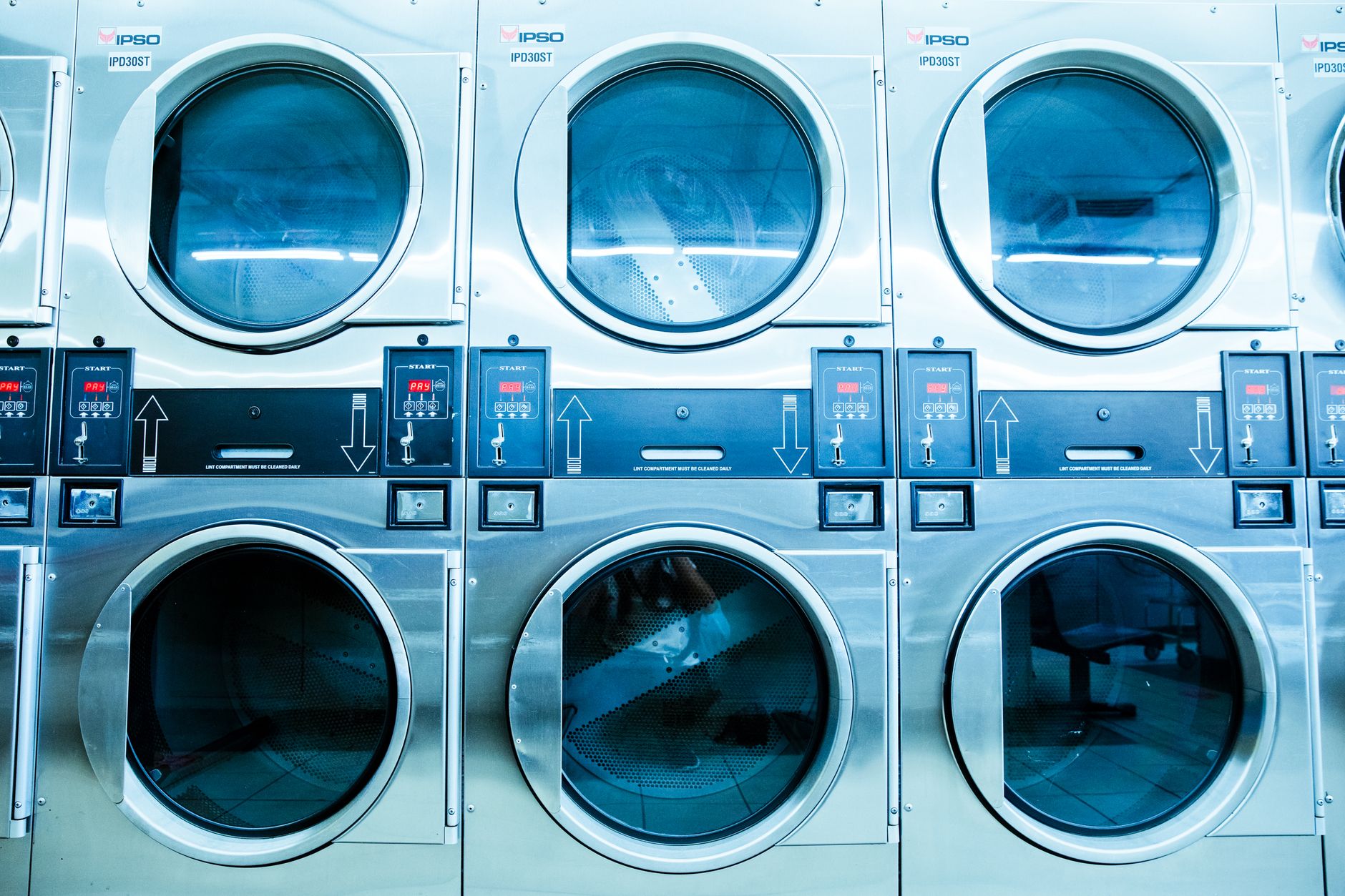
A modern, efficient washing machine typically costs between $40 and $60 per year to operate, whereas an outdated, inefficient unit can easily double that expense. Choosing the right machine requires looking past the purchase price toward the lifetime energy and water consumption that dictates your true monthly utility bills.
⚡ In a Rush? Key Takeaways
- High-efficiency machines reduce annual energy use by roughly 40-50% compared to base models.
- Cold water cycles slash energy consumption by up to 60% per wash.
- Higher spin speeds (1600 RPM) significantly lower dryer energy costs by extracting more moisture.
- The best value comes from choosing reliable brands that prioritise longevity over lowest sticker price.
Which Washing Machine Features Actually Reduce Running Costs?
Efficiency is driven by load sensing, spin speed, and precise temperature control, all of which lower water and electricity usage per wash cycle.
How Do Automatic Load Sensors Save Energy?
Automatic sensors weigh laundry and adjust water levels accordingly, ensuring you never use more water or heat than the specific load needs.
Many entry-level models use a fixed amount of water regardless of how much clothing is inside. Advanced machines use precision sensors to adjust the volume of water used based on the weight of the fabric.
By using only the necessary amount of water, the machine consumes less electricity to heat that water. This is especially important for smaller, everyday loads that don’t require a full-capacity wash.
- Prevents unnecessary heating of excess water
- Extends the life of internal components
- Reduces total detergent volume requirements
Why Does Final Spin Speed Matter for Overall Efficiency?
Higher spin speeds extract significantly more water, which reduces the time and energy your tumble dryer needs to finish the laundry.
A machine that spins at 1600 RPM will remove much more moisture than one capped at 1200 RPM. This is a critical factor in your laundry efficiency strategy, as drying is the most expensive part of the process.
Extracting more moisture upfront saves 10-15 minutes of dryer time per load. Over the course of a year, these small savings compound into significant reductions in your household electricity usage.
Are Newer Energy Labels Misleading?
Modern energy labels rescaled ratings in 2021, meaning an older A+++ rating now often translates to a C or D on the current energy efficiency scale.
When shopping, do not assume an older model with high ratings is more efficient than a newer one with a lower grade. Always look for the specific kWh usage per 100 cycles printed on the label.
This kWh-per-100-cycles figure is your best tool for comparing appliance performance across different brands and models.
How Should You Maintain a Machine for Maximum Efficiency?
Regular maintenance of filters, seals, and heating elements prevents scale buildup and keeps the machine running at its peak factory performance.
Does Descaling Really Affect Your Monthly Bills?
Hard water scale coats the heating element, forcing the machine to work harder and take longer to reach the target temperature for each wash.
If your machine takes longer to heat water, your electricity consumption per cycle spikes. Using a dedicated descaler every three months keeps the element efficient.
Neglecting this buildup doesn’t just cost money; it eventually leads to component failure. Routine home maintenance is the simplest way to avoid expensive repair bills.
How Does Cleaning the Filter Prevent Costly Repairs?
A blocked drain filter forces the pump to work under excessive load, reducing its lifespan and decreasing the effectiveness of the water extraction.
Debris and coins can easily clog the drain filter. A struggling pump uses more energy and puts the entire drainage system at risk of failure.
- Clear the filter every two months
- Inspect the door seal for debris
- Check hoses for kinks or damage
How Does Using the Right Detergent Type and Amount Influence Energy Use?
Using too much detergent creates excess suds that force the machine to work harder, while too little can leave soils that require rewashing—both waste energy.
Modern high-efficiency (HE) detergents are low‑suds and designed to work in the reduced water volumes of front‑load and efficient top‑load machines. Following the manufacturer’s dosage (usually based on load size and water hardness) ensures optimal cleaning without extra rinse cycles.
Over‑dosing not only wastes detergent but also increases the energy needed for additional rinses to remove suds, raising per‑cycle electricity use by roughly 5‑10%. Conversely, under‑dosing may lead to a second wash, doubling the energy consumption for that load.
Frequently Asked Questions About Washing Machines
Is it cheaper to run a washing machine at night?
It is cheaper only if your energy provider offers time-of-use tariffs, which discount electricity rates during off-peak night hours.
Should I use cold water for every wash?
Cold water at 20°C works for most daily loads, using up to 60% less energy than 40°C washes, and modern detergents are designed for this.
How long should a modern efficient machine last?
A well-maintained, high-efficiency machine should perform reliably for 10 to 14 years depending on the brand and usage frequency.
Is a front-load or top-load machine more efficient?
Front-load machines are generally more efficient, using significantly less water and mechanical energy than traditional top-loaders.
Final Thoughts on Appliance Investment
The best machine for your home is the one that balances a reasonable purchase price with a low long-term running cost. Focus on machines that offer genuine energy data rather than those relying on flashy features that add little to utility. By prioritising spin speed, cold-wash performance, and load sensing, you ensure that your laundry workflow remains both effective and affordable for the next decade.