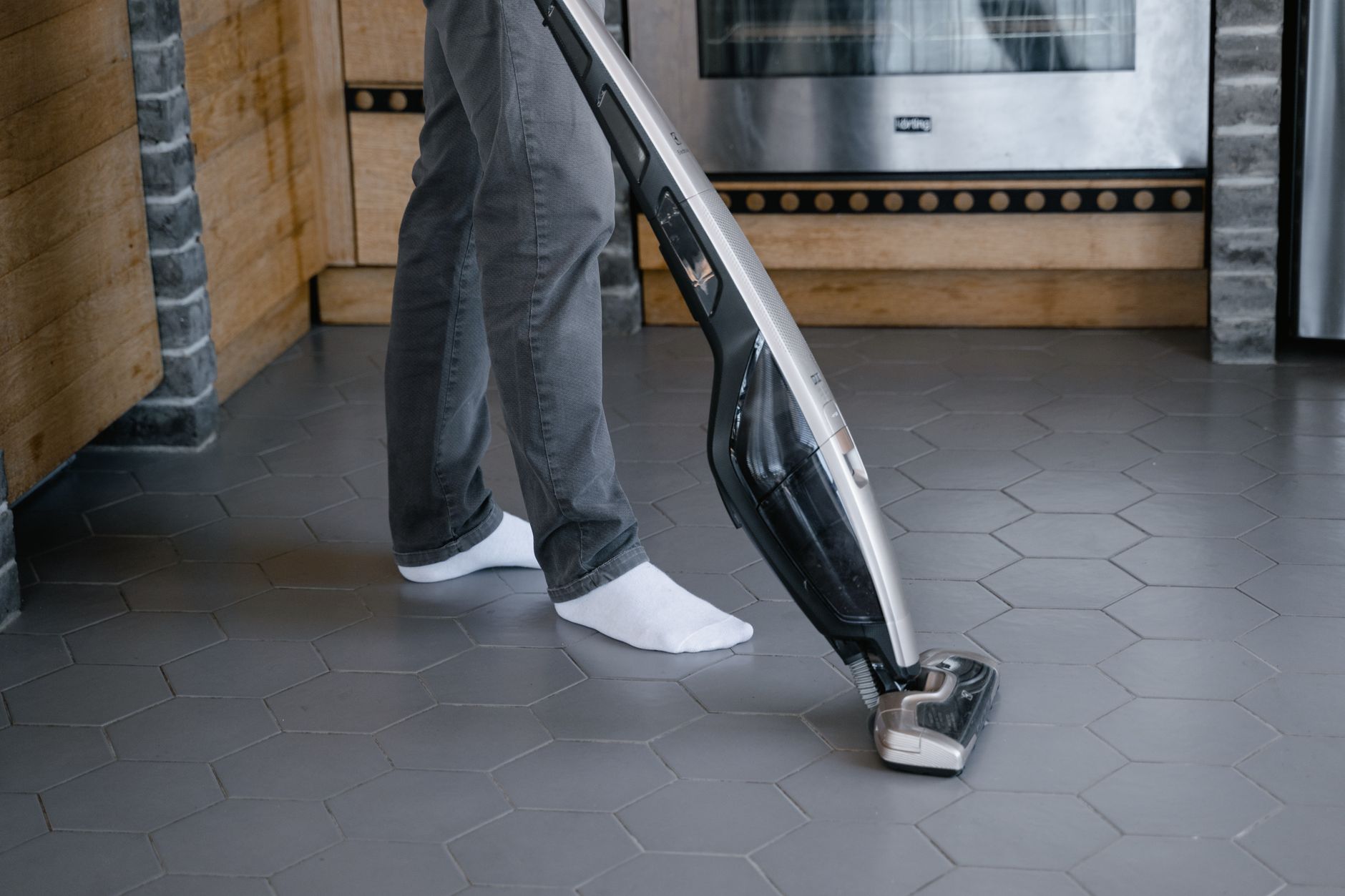
Upright vacuums are objectively more efficient for deep cleaning high-pile carpets and covering large floor areas than stick models, due to their larger motor capacity and wider cleaning paths. While the convenience of cordless stick models is undeniable for daily tidiness, uprights consistently outperform them in debris pickup efficiency and filter longevity.
⚡ In a Rush? Key Takeaways
- Upright vacuums offer 30–50% more suction power than standard stick counterparts.
- Average upright maintenance costs run $25–$40 annually for filters and belts.
- A quality upright model typically lasts 8–12 years with proper motor care.
- ✅ Use an upright for carpets; save stick vacuums for daily hardwood touch-ups.
Why Should You Choose an Upright Vacuum for Your Home?
An upright vacuum provides superior agitation on carpets and holds larger dust capacities, reducing the frequency of emptying and maintenance.
How does motor capacity affect carpet cleaning?
Larger motors allow for stronger brush roll agitation, which dislodges embedded dust particles that lighter stick motors often miss.
I have spent years evaluating floor care, and the disparity in how these machines handle deep carpet fibres remains stark. An upright’s motor doesn’t have to sacrifice power for battery weight constraints, allowing for a much more robust brush roll mechanism.
This performance is vital for homes with high-traffic carpeting where grit settles deep into the base. If you ignore this, you are effectively sanding your carpet fibres with every footstep, which drastically reduces the lifespan of your flooring.
- Stronger airflow prevents debris re-deposition.
- Brush rolls are typically replaceable and more durable.
- Larger cleaning heads cover more square footage faster.
What are the real-world storage trade-offs?
Upright units occupy more floor space and require a dedicated closet or corner, unlike wall-mounted stick models which save space.
The footprint of an upright is arguably its greatest disadvantage in a smaller home. You must account for the cord length and the rigid shape of the unit, which does not tuck away into small crevices easily.
However, this trade-off is often worth it for the cleaning outcome. I suggest evaluating your available storage before committing to a bulky model, as a vacuum you cannot easily access is one you will rarely use. You might also want to look into better closet organisation to accommodate the taller profile of an upright.
How Much Does It Cost to Maintain an Upright Vacuum?
Annual maintenance for a quality upright ranges from $25 to $40 when including replacement HEPA filters, drive belts, and cleaning tools.
Are replacement filters expensive for uprights?
Most upright filters cost between $10 and $20 per unit and typically require replacement only once every 12 to 18 months of home use.
Unlike many stick models that feature small, proprietary, and often expensive pre-filters, uprights frequently use larger, washable components. This design choice is a significant factor in the total cost of ownership over a ten-year period.
Checking your filters regularly is the single best way to ensure the motor doesn’t strain and overheat. I have found that replacing a filter once a year is usually sufficient to maintain optimal suction performance.
How often do drive belts need replacing?
Drive belts on uprights typically last for 2 to 4 years, depending on usage frequency and whether the brush roll becomes jammed.
This is a maintenance task that most people find intimidating, but it is actually straightforward. Keeping a spare belt in your home tool kit can save you a service call fee.
| Item | Typical Cost | Replacement Interval |
|---|---|---|
| HEPA Filter | $15 | 18 Months |
| Drive Belt | $8 | 3 Years |
| Brush Roll | $30 | 5 Years |
Is an Upright Vacuum Right for Your Household Layout?
Uprights excel in large, carpeted homes but struggle with maneuverability under low-profile furniture or on multi-level staircases.
How do they perform on stairs and tight spaces?
Most uprights are heavy and awkward to carry, making them poor candidates for cleaning stairs compared to lightweight cordless sticks.
If your home is split over three levels, carrying a 15-pound upright can become a genuine chore. Many modern units include a lift-away feature, but the ergonomics remain secondary to the machine’s primary purpose of floor cleaning.
Can they handle hardwood and tile flooring?
Uprights with brush-roll-shutoff switches work well on hard floors, though their size makes reaching around tight furniture legs difficult.
Always verify that your chosen model has a dedicated setting to turn off the brush roll. Without this, you risk scratching sensitive finishes or simply scattering debris instead of collecting it.
Frequently Asked Questions
How long should an upright vacuum last?
A well-maintained upright vacuum from a reliable manufacturer should provide 8 to 12 years of consistent, daily household cleaning duty.
Are bagless upright vacuums better than bagged?
Bagged uprights offer superior dust containment for allergy sufferers, while bagless models eliminate the ongoing cost of buying bags.
Why is my upright losing suction power?
Loss of suction is almost always due to a clogged filter, a tangled brush roll, or an obstruction within the main intake hose path.
Conclusion
Choosing an upright in 2026 remains a logical decision for homeowners who prioritise cleaning performance on carpets over the compact convenience of cordless sticks. By focusing on maintenance and choosing a model with a brush-roll-shutoff feature, you can enjoy a durable tool that keeps your home cleaner for over a decade. — Greta Michaud, Home Appliance Efficiency Researcher