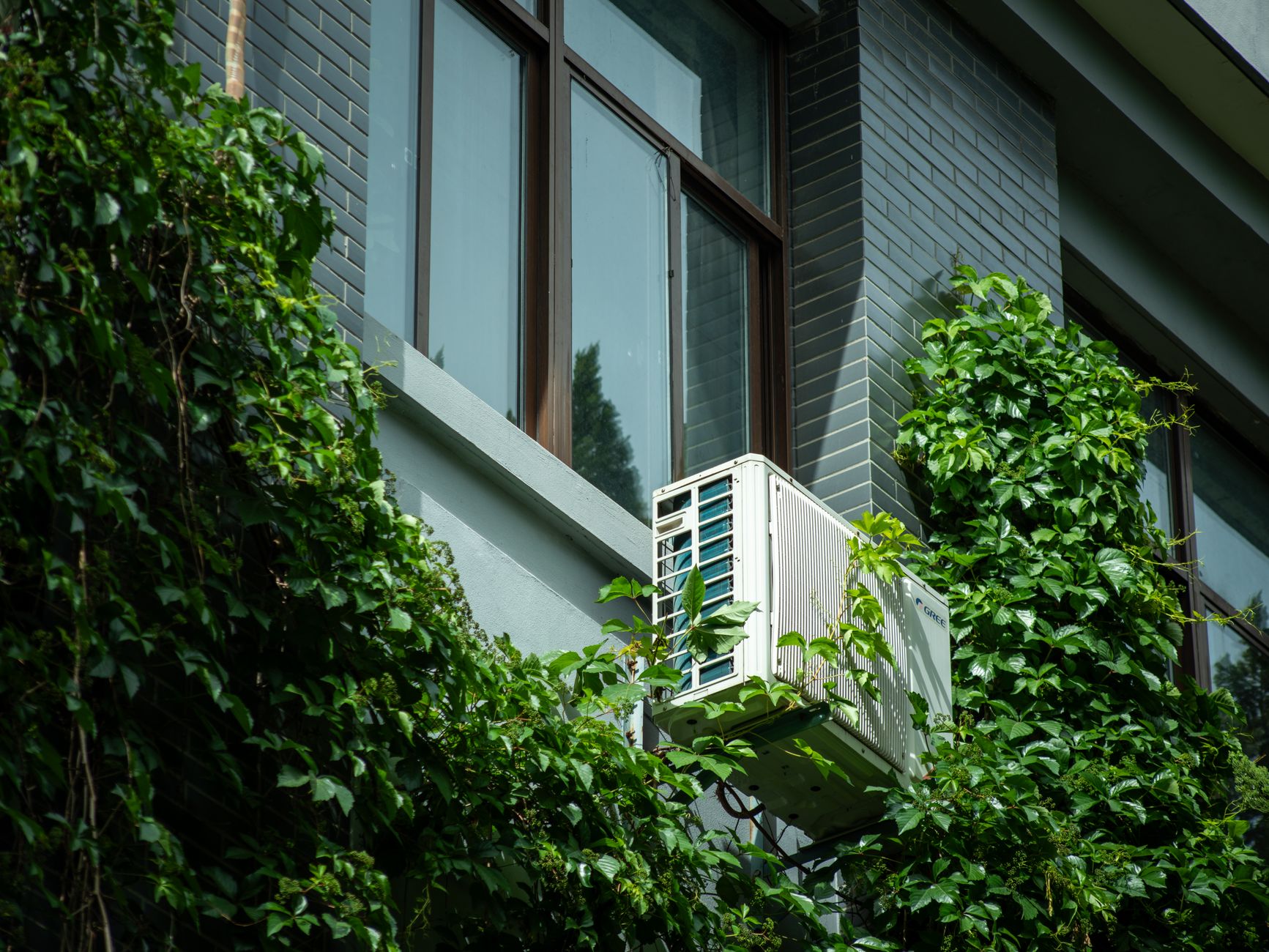
Energy efficiency appliances are appliances designed to perform standard household tasks while using 20% to 50% less electricity or water than baseline models. While the initial purchase price is often higher, the total cost of ownership is frequently lower when factoring in ten years of utility savings and improved machine longevity.
⚡ In a Rush? Key Takeaways
- Energy-efficient fridges use 100-200 kWh annually compared to 500+ kWh for older models.
- Heat pump dryers reduce energy consumption by up to 60% per drying cycle.
- Switching to cold water cycles can slash washing machine energy use by 75-90%.
- High-efficiency appliances often pay for their price premium within 3 to 5 years.
- ✅ Verdict: Focus on heavy-use appliances like fridges and dryers for the best ROI.
How Do Energy Efficiency Ratings Work for Major Appliances?
Modern energy labels use a rescaled A-G system, where an ‘A’ rating signifies the highest efficiency standards available to consumers.
Understanding these labels is the first step toward making an informed purchase. The current EU-standard labels, which many manufacturers now mirror globally, reset the old A+++ system to a more rigorous A-G scale.
Why did energy rating systems get rescaled?
Rescaling prevents market stagnation by ensuring that only truly exceptional technology earns the highest possible efficiency grade.
Older labels suffered from ‘grade inflation’ where almost every product on the shelf was rated A+++. This made it impossible for you to distinguish between a decent machine and a truly industry-leading one.
- Rescaled labels provide more room for innovation at the top end.
- The testing criteria now better reflect real-world usage patterns.
- Lower ratings (E, F, G) clearly identify older, less efficient tech.
Which appliance categories offer the most significant energy savings?
Refrigeration and laundry appliances offer the highest return on investment due to their continuous or high-frequency usage cycles.
Not every appliance is equal when it comes to power consumption. A refrigerator runs 24/7, making it a priority for efficiency, while a toaster is only active for minutes a day.
| Appliance | Efficiency Impact |
|---|---|
| Refrigerator | High – Continuous draw |
| Clothes Dryer | High – Heat generation |
| Dishwasher | Medium – Water heating |
| Oven | Low – Occasional usage |
Is the Higher Upfront Cost of Efficient Appliances Justified?
The price premium for high-efficiency models is typically offset by lower utility bills within an average three to five-year period.
Most consumers focus exclusively on the retail price, which is a mistake that misses the ‘hidden’ cost of energy. Over a decade, an inefficient appliance can cost you more than the machine itself in electricity.
How do I calculate the total cost of ownership?
Multiply the annual kWh usage by your local electricity rate and add the purchase price to determine true long-term expenditure.
I always track the running cost as my primary evaluation metric. You can verify your appliance performance data by checking the energy label estimated annual usage.
- Check the kWh rating listed on the appliance energy guide.
- Calculate the annual cost: kWh usage × local electricity rate.
- Compare this figure against a cheaper, lower-efficiency model.
Can I get financial assistance for upgrading appliances?
State-sponsored energy efficiency programmes and local utility rebates can significantly reduce the net cost of upgrading appliances.
Many regions offer tax credits or direct rebates for purchasing Energy Star or A-rated equipment. I suggest visiting your local utility provider’s website to see if you qualify for active energy efficiency grants.
What Maintenance Habits Keep Appliances Running Efficiently?
Regular cleaning of filters, coils, and vents prevents mechanical strain, which ensures appliances use minimum energy to function.
Even the most efficient appliance will waste electricity if it is clogged with dust or limescale. Simple maintenance routines are often more effective than replacing the machine early.
Why should I clean my refrigerator condenser coils?
Dusty condenser coils force the compressor to work harder and run longer, increasing energy consumption by up to 25 percent annually.
I make a habit of vacuuming the rear coils of my fridge every six months. This prevents overheating and preserves the life of the compressor.
How does regular maintenance prevent appliance failure?
Scheduled care prevents scale buildup and mechanical wear, helping you avoid costly professional repairs throughout the unit’s lifespan.
Ignoring basic upkeep often leads to expensive repairs or total failure. Check out our guide on home maintenance for more ways to keep your hardware in top shape.
Frequently Asked Questions
Are smart appliances always more energy efficient?
Smart features often add convenience but can increase standby power draw, which may negate the efficiency gains in some appliances.
Does ‘Eco Mode’ on dishwashers actually clean well?
Yes, Eco Mode cleans just as effectively as standard cycles by using lower water temperatures and longer soak times for efficiency.
Should I repair or replace an old inefficient appliance?
If the appliance is nearing the end of its typical lifespan, replacing it with a high-efficiency model usually saves more money.
Efficient appliances represent a long-term investment in your home’s infrastructure. By prioritizing units that align with your actual usage patterns and maintaining them with care, you reduce both your monthly overhead and your environmental footprint.
— Greta Michaud, Home Appliance Efficiency Researcher