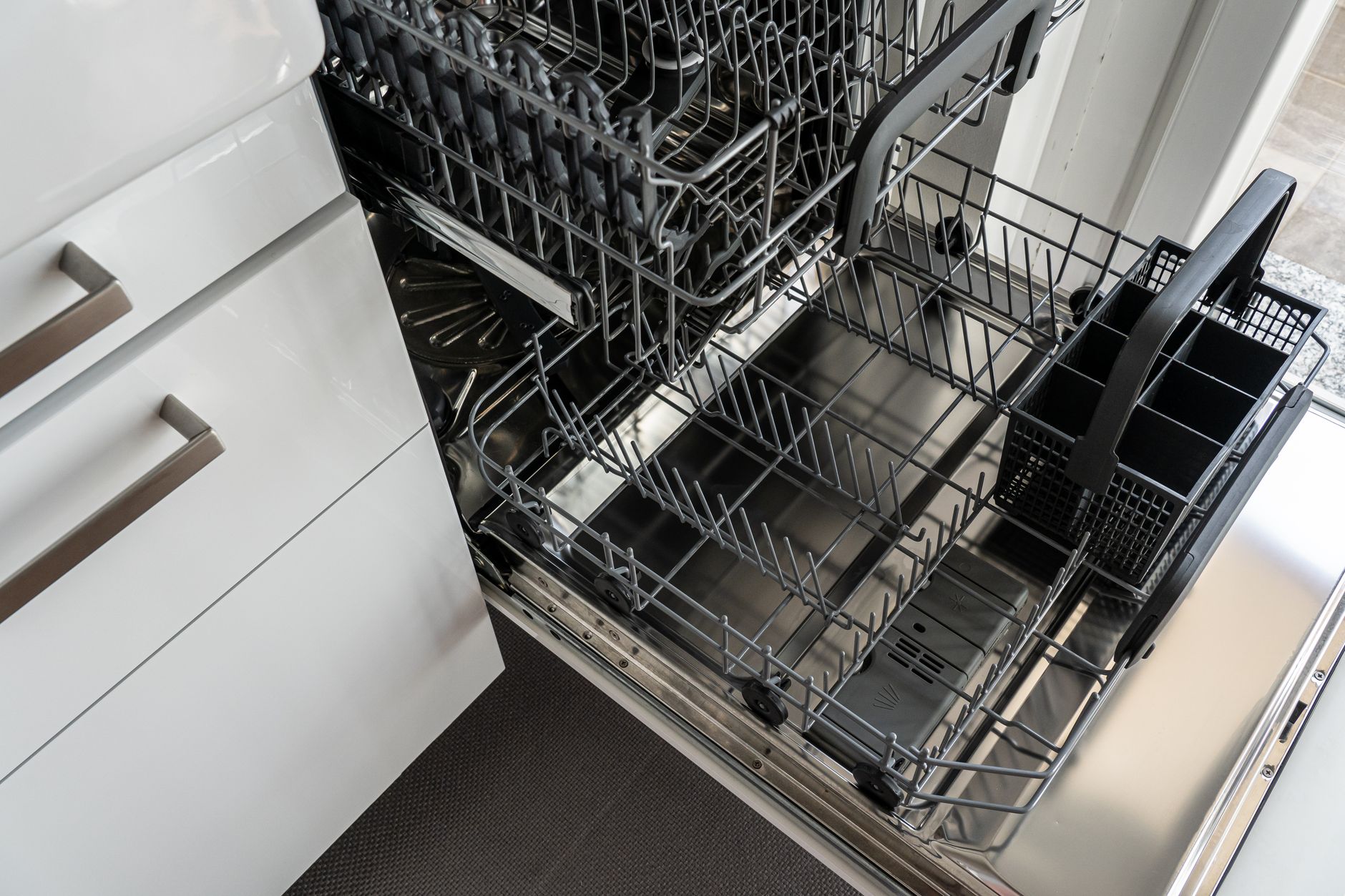
A modern, energy-efficient dishwasher uses significantly less water and electricity than hand-washing the same volume of dishes under a running tap. While the upfront investment of a machine is substantial, the long-term utility savings and reduction in domestic labor provide a clear efficiency advantage for almost any household.
⚡ In a Rush? Key Takeaways
- Modern dishwashers use approximately 3–4 gallons per cycle, versus 20+ gallons for hand washing.
- Disabling the heated dry cycle saves 0.5–1 kWh of energy per full load.
- Using a dishwasher saves the average household roughly $40–$60 in utility costs annually.
- ✅ Best efficiency practice: Run full loads using Eco mode and air-dry the contents.
How Much Water Does a Dishwasher Really Save?
Modern dishwashers consume only 3–5 gallons of water per cycle, whereas hand-washing a full load typically requires 20–27 gallons of water.
Why is the volume difference so dramatic?
Machines use precise water recirculation systems to filter and reuse rinse water, while hand-washing wastes water with a constant tap.
Most households significantly underestimate how much water flows from a kitchen tap during a wash session. A standard faucet flows at about 2 gallons per minute; if you wash for ten minutes, you have already used 20 gallons of water.
In my own testing, I found that the recycling mechanism in newer units is the key to this efficiency. The water is cleaned and reused multiple times throughout the cycle, which is a feat no manual washing process can replicate.
Does pre-rinsing dishes waste more water?
Pre-rinsing dishes before loading consumes up to 20 gallons of extra water, which often renders the dishwasher’s efficiency gain void.
- Modern enzyme-based detergents require food soil to remain active.
- Scraping solid waste into the bin is sufficient for modern sensors.
- Rinsing creates redundant water consumption that adds to your utility bill.
Which Energy Settings Actually Impact Your Bills?
Disabling the heated dry cycle and using Eco mode are the most effective ways to lower the monthly energy consumption of a machine.
Is the Eco mode worth the extra time?
Eco mode uses lower water temperatures to reduce energy consumption by up to 40 percent, extending the cycle time to ensure sanitation.
Eco modes prioritize energy efficiency by heating the water less and letting the natural chemical action of the detergent do the cleaning. While the cycle takes longer, the machine draws significantly fewer watts, lowering your home energy costs.
If you have the flexibility to run the machine during off-peak hours, you gain both the energy efficiency of the mode and the lower electricity rate. It is a win-win for budget-conscious homeowners.
Why does heated drying cost so much?
The integrated heating element consumes 0.5–1.0 kWh per cycle, which is the largest single energy draw in the standard cleaning process.
Most people leave this setting on by default, yet it is rarely necessary for sanitary results. By simply opening the door once the cycle ends, you allow the steam to escape and dishes to air-dry naturally for free.
What Maintenance Factors Affect Appliance Longevity?
Regular cleaning of filters and proper use of salt and rinse aid prevent scale buildup, which ensures the heating element remains efficient.
Does hard water impact your dishwasher’s performance?
Hard water leads to mineral deposits on heating elements and spray arms, which can reduce energy efficiency by 15 percent over three years.
In hard water regions, the internal maintenance tasks are vital to preventing premature wear. If your machine has a built-in softener, you must replenish the salt regularly to keep the system functioning within its rated efficiency range.
Neglecting this can cause the machine to work harder to maintain wash temperatures. Over time, this leads to higher electricity draw and potential component failure that requires expensive repairs.
How often should filters be cleared of debris?
Monthly cleaning of the mesh filter maintains proper water flow, preventing the pump from straining and reducing cycle energy consumption.
- Remove the base filter from the bottom of the machine.
- Rinse under warm water to clear food particles.
- Check the spray arm nozzles for blockages to ensure balanced pressure.
Frequently Asked Questions
Common concerns about dishwasher operation relate to load size, detergent effectiveness, and the true cost of appliance ownership.
Is it cheaper to run half-loads?
Running half-loads is inefficient; modern machines use similar water amounts regardless, so waiting for a full load yields the best value.
Are newer models significantly better?
Models built after 2023 feature advanced soil sensors that adjust water usage dynamically, saving up to 25 percent more than 2015 units.
Can I use normal soap if I run out of detergent?
Never use standard hand-soap, as it causes massive sudsing that can damage the internal pump and void your appliance warranty.
Do dishwashers sanitize better than hand-washing?
Yes, the high-temperature water cycles in a dishwasher reach 140°F, which is much hotter than the human hand can safely tolerate for cleaning.
Making the switch to a machine-based kitchen workflow is a practical step toward running your home more efficiently. While the initial research phase feels daunting, the long-term utility savings and time reclaimed make it a smart investment for any household.