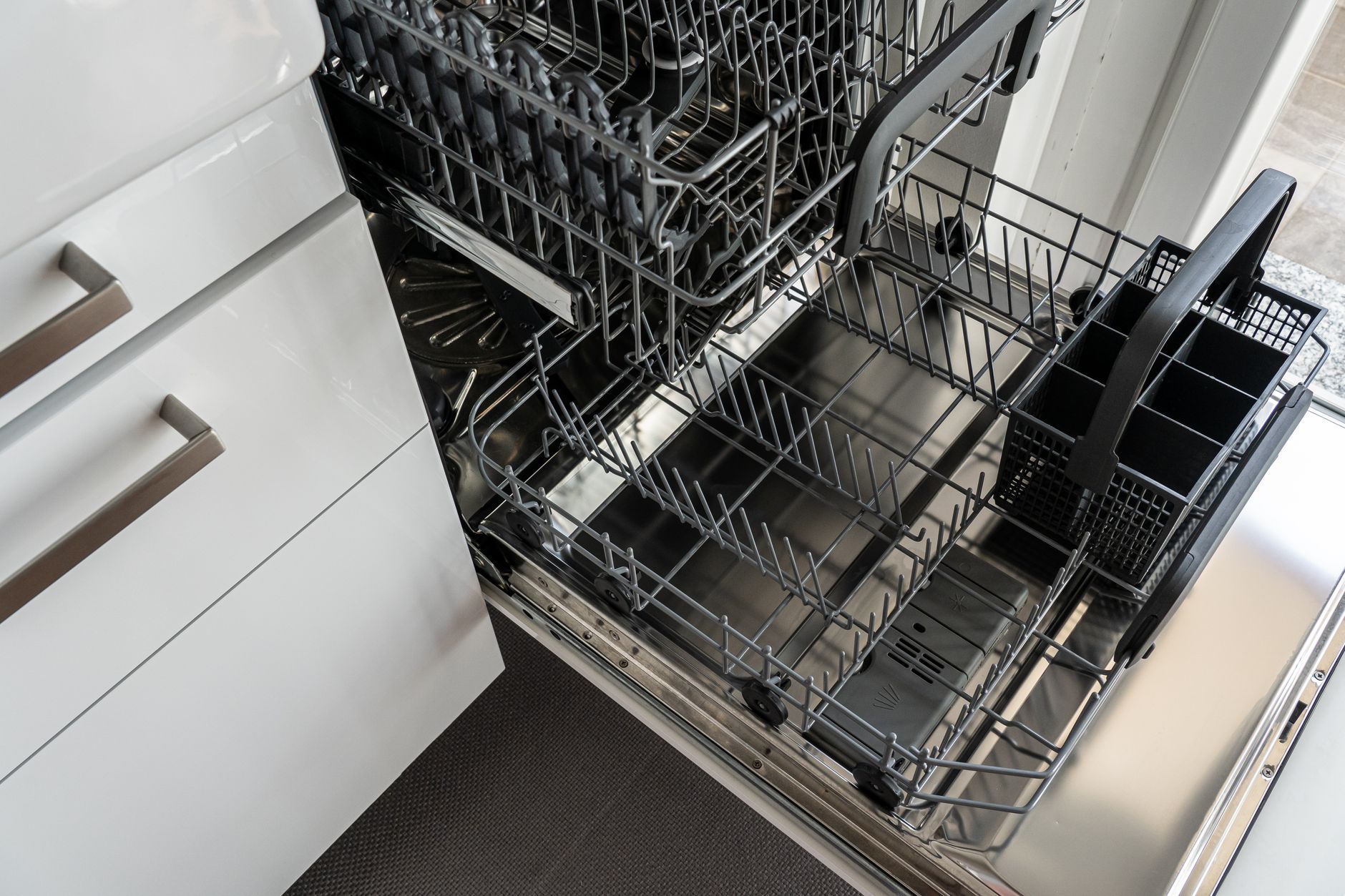
A modern, energy-efficient dishwasher is significantly cheaper to operate than hand-washing dishes and will typically pay for itself within four years through reduced water and electricity consumption. While the upfront purchase price remains a hurdle, the operational efficiency of current models makes them a cornerstone of an effective home utility system.
⚡ In a Rush? Key Takeaways
- Modern dishwashers use 3-5 gallons per cycle versus 20+ gallons for hand-washing.
- Disabling heated dry saves roughly 0.5 kWh per load, reducing annual costs by $25.
- Hard water maintenance with salt and rinse aid extends appliance life by 5+ years.
- Annual electricity savings for an A-rated machine vs. 2015 models is roughly $45.
- ✅ Best value: Run full loads on Eco mode with air-drying to minimize running costs.
How Do Dishwashers Affect Your Annual Utility Bills?
Dishwashers lower utility bills by using precise water amounts and reclaimed heat, saving the average home $60–$100 in energy costs annually.
Why Is a Dishwasher More Efficient Than Hand-Washing?
Dishwashers use 3–5 gallons of water per full load, while hand-washing the same volume under a running tap consumes 20–27 gallons of water.
Many homeowners assume that hand-washing is the frugal choice, but the math rarely supports this. A modern dishwasher cycles the same water repeatedly through a filter, whereas hand-washing requires a constant flow of hot, treated water.
- Reduced hot water demand lowers gas or electric heater usage significantly.
- Controlled water heating prevents the waste of warming excess water.
- Automatic detergent dispensing ensures no chemical overuse.
Does Running a Dishwasher Save Money on Electricity?
A modern dishwasher uses 0.7–1.2 kWh per cycle, which costs significantly less than the energy required to heat 25 gallons of tap water.
The hidden cost in kitchen cleanup is water heating. Because the appliance performance of new units prioritizes thermal insulation, they maintain heat far better than older models. Using specialized energy efficiency settings allows the pump to operate at lower pressures while maintaining cleaning efficacy.
How Much Does Hard Water Impact Your Appliance Costs?
Hard water causes scale buildup on internal heating elements, increasing energy consumption by 15% and causing premature failure of parts.
If you live in a hard water area, neglecting salt and rinse aid is a fast track to a repair bill. Mineral deposits insulate the heating element, forcing it to run longer to reach target temperatures. Consistently using softening agents saves you money by preventing these costly inefficiencies.
What Features Actually Improve Dishwasher Performance?
Sensor-based soil detection, adjustable rack configurations, and specialized eco-wash cycles provide the best balance of value and performance.
Are Eco-Cycles Truly Effective for Daily Use?
Eco-cycles use lower temperatures and longer soak times to reduce energy consumption by up to 40% compared to standard intensive settings.
Many users avoid Eco-cycles, fearing poor results. In reality, modern enzymes in dishwashing tablets are engineered to work effectively at lower temperatures, provided they have enough contact time.
- Eco-cycles run at 45°C–50°C instead of 65°C+ standard heat.
- Longer cycles allow detergents to break down food proteins gently.
- The reduced heating requirement is the primary driver of cost savings.
Why Does Rack Design Matter for Energy Efficiency?
Optimized rack layouts ensure water reaches every surface, preventing the need for a second wash cycle due to stuck-on food residue.
Poorly loaded machines lead to wasted energy. Models with adjustable prongs and dedicated cutlery trays allow for higher density loading. A well-organized dishwasher performs better, preventing the kitchen workflow bottlenecks associated with re-washing dishes.
Is Air-Drying Better Than Heated Drying?
Air-drying saves 0.5–1.0 kWh per cycle by eliminating the power-hungry heating element, which is the most expensive part of the cycle.
Smart Features and Cycle Customization
Modern dishwashers offer Wi‑Fi connectivity, smartphone app control, and specialized cycles such as sanitize and quick wash that let you tailor performance to your schedule and hygiene needs.
With a companion app you can start or pause a cycle remotely, receive alerts when the filter needs cleaning, and download additional wash programs optimized for items like baby bottles or glassware. The sanitize cycle raises the final rinse temperature to at least 70 °C, killing 99.9 % of bacteria, while a quick wash can finish a lightly soiled load in 30‑45 minutes using reduced water and energy.
These features add convenience without sacrificing efficiency; many smart models also adjust water usage based on load size detected by internal sensors, further lowering operating costs.
Frequently Asked Questions
How often should I clean the dishwasher filter?
You should clean the dishwasher filter once a month to ensure efficient water circulation and prevent odors from trapped food particles.
Are stainless steel interiors worth the extra cost?
Stainless steel interiors retain heat better than plastic, resulting in more efficient drying and improved noise reduction during operation.
Can I leave dishes in the dishwasher for days?
It is acceptable to leave dishes for a few days, but you should use a rinse cycle if the dishes are particularly dirty to prevent odors.
Does tablet brand affect appliance longevity?
Using low-quality detergent tablets often leads to residue buildup on spray arms, which forces the pump to work harder than necessary.
Choosing the right appliance is only half the battle; maintaining your routine is where the real savings accumulate. By focusing on full loads and air-drying, you maximize the efficiency of your purchase. — Greta Michaud, Home Appliance Efficiency Researcher