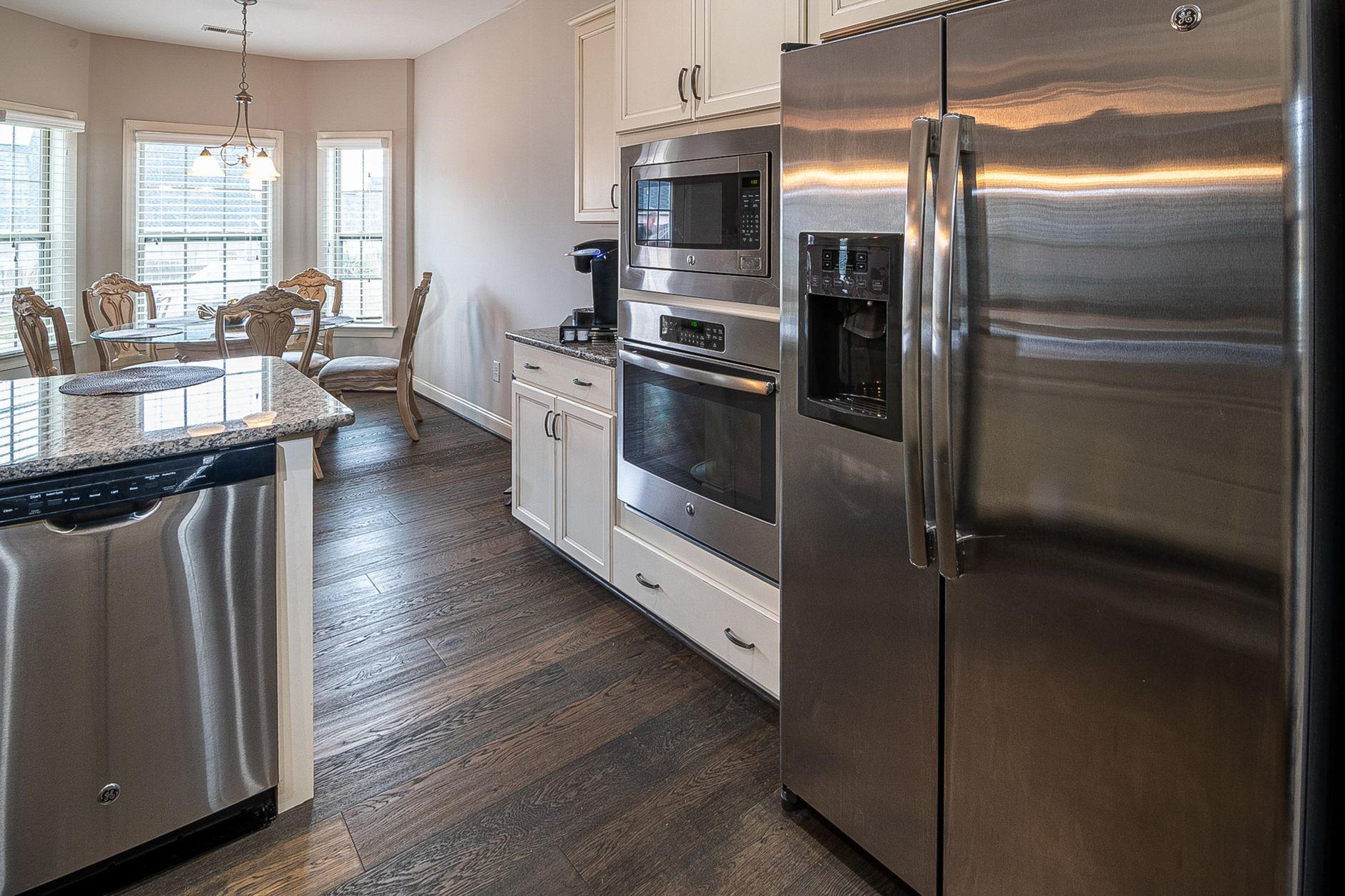
Home appliances are best selected by calculating the total cost of ownership over ten years rather than focusing solely on the initial purchase price. A model that costs less at the register often consumes significantly more electricity or water, resulting in a higher total expenditure over the machine’s model that costs less at the register often consumes significantly more electricity or water, resulting in a higher total expenditure over the machine’s natural lifespan.
⚡ In a Rush? Key Takeaways
- Modern energy-efficient fridges use 60% less power than models manufactured pre-2015.
- Heating water accounts for up to 90% of the energy consumed by a washing machine cycle.
- Selecting a high spin-speed washer reduces dryer energy consumption by 10-15% per load.
- ✔ Prioritize 10-year running costs over the lowest initial sticker price when buying.
How Do You Calculate the Real Cost of Home Appliances?
Real appliance costs combine the purchase price with decade-long energy usage, water consumption, and anticipated maintenance or repair expenses.
Why Does the Sticker Price Mislead Buyers?
Sticker prices ignore the cumulative electricity, gas, and water costs that frequently surpass the initial cost over a ten-year cycle.
Manufacturers often prioritize low entry-level pricing to capture market share. However, an appliance that is inexpensive to buy is rarely inexpensive to run. I have found that tracking usage through gadget ROI calculators provides a clearer picture of your financial commitment.
What Components Make Up Total Ownership Costs?
Total costs include the initial purchase price, annual utility consumption, routine filter replacements, and projected repair costs.
You must account for the following variables to understand the true financial impact of your purchase:
- Annual electricity consumption measured in kilowatt-hours.
- Average water usage per cycle for laundry and dishwashing.
- Expected lifespan before major component failure.
- Cost and availability of spare parts for common repairs.
Which Appliance Efficiency Features Actually Matter?
Efficiency features that reduce energy and water consumption, such as heat pump drying and precision sensors, deliver the best ROI.
Is a Heat Pump Dryer Worth the Extra Cost?
Heat pump dryers use 60% less energy than vented models, providing a return on investment through utility savings within three years.
Vented tumble dryers remain a major energy drain in most households. Transitioning to a heat pump system is one of the most effective steps for reducing home energy bills over time.
Do Sensor-Based Wash Cycles Improve Efficiency?
Precision sensors adjust water and electricity usage based on actual load weight, preventing waste during smaller or partially full cycles.
Many older machines force the same volume of water regardless of load size. Modern sensor-driven technology ensures the appliance only draws what is necessary, which directly impacts your monthly utility expenditure.
Why Does Spin Speed Affect Laundry Running Costs?
Higher spin speeds extract significantly more moisture, which reduces the time and energy required by your tumble dryer for every load.
Increasing your washer’s final spin speed from 1,200 to 1,600 RPM can cut drying time by up to 15 minutes. This is a simple adjustment that optimizes your laundry energy efficiency without requiring new equipment.
Are There Rebates or Tax Credits for Energy-Efficient Appliances?
Many utility companies and government programs offer rebates or tax incentives that lower the effective purchase price of ENERGY STAR‑rated appliances.
These incentives can range from $50 to $300 per unit, depending on the appliance type and region, and are often stackable with manufacturer promotions. Checking the Database of State Incentives for Renewables & Efficiency (DSIRE) or your local utility’s website before buying can uncover savings that further improve the ten‑year ROI.
Keep documentation of purchase and installation, as most programs require proof of purchase and a copy of the ENERGY STAR label to process the rebate.
How Can You Maintain Appliance Efficiency Over Time?
Routine cleaning of filters, vents, and seals ensures appliances operate at factory-rated efficiency levels throughout their lifespan.
How Often Should You Clean Appliance Filters?
Clean lint filters after every dryer cycle and inspect dishwasher filters monthly to maintain optimal airflow and drainage performance.
Neglected filters force motors to work harder, increasing energy draw and shortening the life of the machine. Establishing a consistent maintenance rhythm is essential for avoiding premature replacements.
What Are the Most Common FAQ About Appliance Efficiency?
Efficiency questions focus on cycle settings, water temperatures, and the impact of standby power usage in modern home households.
- Does Eco mode actually save money? Yes, by lowering water temperatures and extending cycles to maximize cleaning time over heat.
- Should I unplug appliances when not in use? Yes, for devices with high standby loads, which can account for up to 10% of your energy bill.
- Is a dishwasher more efficient than hand washing? Yes, modern dishwashers use roughly 6 gallons of water compared to 20+ gallons for hand washing.
- Can I fix minor appliance faults myself? Basic maintenance like clearing blockages is safe, but always consult a professional for electrical repairs.
Ultimately, selecting appliances that fit your household’s actual volume needs, rather than buying the largest capacity available, prevents the waste of energy on empty cycles. Prioritize machines that offer transparency in their energy consumption data to ensure you are buying for the long term.