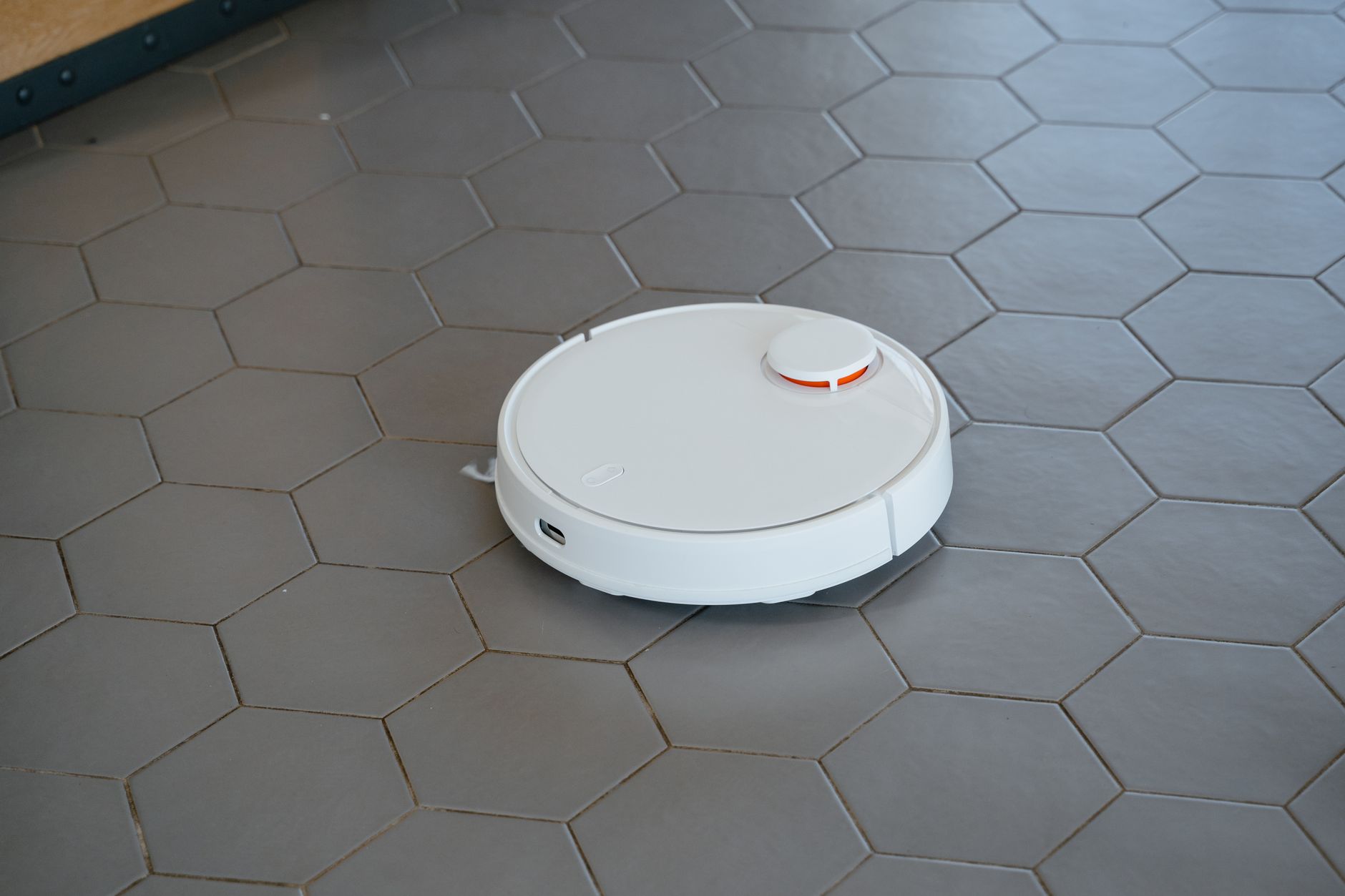
Robot vacuums are automated floor cleaners that offer significant time savings for busy households, provided your home layout is compatible with their navigation sensors. While they cannot replace a manual deep clean, they maintain baseline floor hygiene by performing daily cycles that prevent dust and pet hair accumulation.
⚡ In a Rush? Key Takeaways
- Robot vacuums save an average of 2–3 hours of manual cleaning per week.
- Entry-level models cost $200–$400, while premium self-emptying units reach $800+.
- Battery lifespan averages 3–5 years before replacement is required.
- ✅ Best value: Choose mid-range models with LIDAR navigation and self-emptying bases.
How Much Should You Expect to Pay for a Reliable Robot Vacuum?
Reliable robot vacuums cost between $300 and $700, balancing essential navigation features like LIDAR with basic self-emptying capabilities.
Are Budget Robot Vacuums Worth Buying?
Budget vacuums under $200 often lack smart mapping, causing them to bump into furniture repeatedly and miss entire sections of the floor.
In my testing, units under $200 rely on random-bounce navigation. These machines often get stuck on rug edges or door thresholds, requiring manual intervention which defeats the purpose of automation. If you have an open-plan home, these models will likely leave corners uncleaned.
What Features Justify a Premium Price Tag?
Premium models over $700 provide automated base stations that empty dustbins, wash mopping pads, and use cameras for object avoidance.
Higher-end units integrate advanced obstacle detection, such as identifying cords, toys, or pet waste. This prevents the machine from spreading messes rather than cleaning them. These models also typically feature higher suction ratings for deep carpet cleaning.
- Self-emptying dustbins reduce maintenance to once every 4–6 weeks.
- LIDAR navigation maps homes efficiently in low-light conditions.
- App integration allows for specific ‘no-go’ zone creation.
How Do Robot Vacuums Perform on Different Floor Types?
Robot vacuums handle hard floors efficiently but struggle with high-pile carpets and long rug tassels that tangle the main brushes.
Do They Actually Clean Carpets Effectively?
Most robot vacuums provide surface-level cleaning on carpets but lack the agitation depth required to remove deep-set dirt or allergens.
While suction power has improved, the brush bars on these units are smaller than upright vacuum cleaners. They are excellent for daily maintenance to keep hair off the surface, but a manual vacuum is still needed for periodic deep cleaning sessions.
How Do They Navigate Hardwood and Tile Floors?
Robot vacuums excel on hard surfaces, successfully picking up fine dust and debris that would otherwise be pushed around by standard brooms.
Rubberised brushes are essential here to prevent scratching polished wood surfaces. If you have many transitions between floor types, look for a vacuum with an automatic carpet-boost feature that increases suction when it detects resistance.
How Loud Are Robot Vacuums?
Most robot vacuums operate between 55 and 70 decibels, comparable to a normal conversation or a running dishwasher.
Quieter models, often those with brushless motors and optimized airflow, can run as low as 50 dB, making them suitable for use while you’re home or sleeping. Higher suction settings for deep carpet cleaning can push noise toward the upper end of the range, but many units offer a “quiet mode” that reduces power and sound.
If noise is a primary concern, look for specifications listing dB levels and consider models marketed as “silent” or “low‑noise”; user reviews often confirm real‑world loudness in typical home environments.
What Maintenance Is Required to Keep Them Running?
Maintenance includes clearing the brush roll monthly, wiping sensors weekly, and replacing filters every three to six months for performance.
How Often Should You Change the Parts?
Filters need replacing every 3 months, while side brushes and main rollers generally last 6 to 12 months depending on daily usage.
Neglecting these tasks will cause the robot to lose suction power or emit a burning dust smell. I recommend checking the cleaning systems in your home to ensure you have a dedicated space to store these replacement accessories.
Why Do Some Owners Experience Frequent Technical Issues?
Technical issues usually stem from dirty sensors or stuck debris in the drive wheels, which can be fixed with simple periodic inspection.
| Task | Frequency |
|---|---|
| Empty Bin | Weekly |
| Wipe Sensors | Bi-weekly |
| Clean Brushes | Monthly |
| Replace Filter | Quarterly |
Are Robot Vacuums Safe for Pets and Kids?
Robot vacuums are safe, though you should ensure the model features advanced obstacle avoidance to prevent it from getting stuck on toys.
Can They Handle Pet Hair Without Clogging?
Models with tangle-free rubber brushes are superior for pet hair compared to traditional bristle brushes that require tedious manual removal.
If you have multiple shedding pets, consider a model with a larger capacity waste management system to ensure the bin does not fill up midway through a cycle. This saves you from having to monitor the vacuum while it works.
Do They Pose Any Privacy Risks?
Most models with cameras process data locally, but disabling cloud access or opting for non-camera LIDAR units enhances home privacy.
Frequently Asked Questions
Do robot vacuums work in pitch black rooms?
Units using LIDAR navigation work perfectly in the dark, whereas camera-based systems may struggle without supplemental light sources.
Can a robot vacuum replace a regular vacuum cleaner?
No, a robot is best as a maintenance tool; you will still need a standard vacuum for stairs, upholstery, and intensive deep cleaning.
How long do robot vacuums last?
With regular maintenance and battery care, a quality robot vacuum typically lasts between four and six years of daily operation.