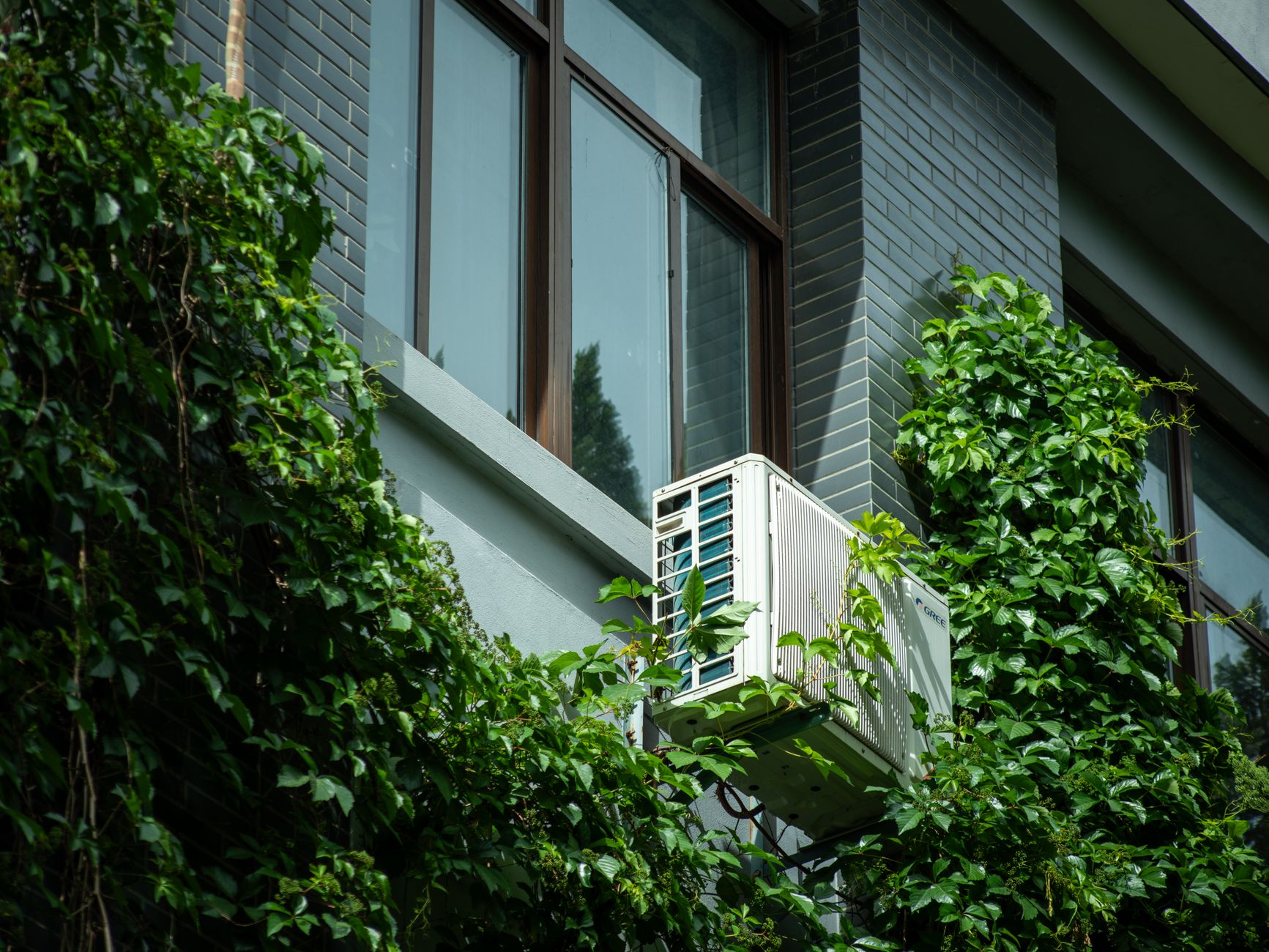
Energy efficiency appliances are worth the investment because they reduce long-term utility costs by 20% to 50% compared to standard models, typically recovering their price premium through energy savings within five years. Beyond the monthly financial gain, these machines often feature more robust build quality and advanced sensors that preserve clothing and food longer. For the modern homeowner, upgrading is less about environmental optics and more about managing the rising cost of running a home.
⚡ In a Rush? Key Takeaways
- High-efficiency refrigerators reduce annual electricity draw by 150–300 kWh.
- Modern heat-pump dryers consume 60% less energy than standard vented versions.
- Energy-star certified dishwashers save roughly 3,000 gallons of water per year.
- Investing in appliances with an A-rating delivers the highest return on investment.
How Do Energy Efficiency Labels Work in 2026?
Energy efficiency labels quantify annual kWh consumption and water usage, allowing for direct cost comparisons between different models.
Navigating the labels requires looking past marketing terms and focusing on the standardized testing data. Most current ratings account for typical household usage cycles, meaning the provided figures are accurate indicators of relative performance.
Why should you look at the annual kWh rating?
The annual kWh rating provides a clear calculation of operating costs when multiplied by your specific local electricity rate.
The kWh rating is the single most objective metric on any appliance sticker. If you compare two dishwashers, the difference in annual consumption is the raw data you need to calculate your actual operating costs. Ignoring this number often leads to buying a cheaper unit that costs significantly more to run over time.
What does the water efficiency rating signify?
Water efficiency ratings measure gallons per cycle, which impacts both your utility bill and your local water footprint daily.
Appliances like washing machines and dishwashers carry specific water usage stats. Lower water use usually means lower heating costs as well, since less water needs to be brought up to operating temperature.
Are Energy Efficiency Appliances Cheaper to Run Long-Term?
Energy efficient appliances are consistently cheaper to run because their superior insulation and sensors minimize energy waste.
While the purchase price is often higher, the total cost of ownership is usually lower by the end of the appliance’s lifespan. An efficient machine is an investment in predictability for your household budget.
How much energy do heat pump dryers save?
Heat pump dryers consume approximately 50-60% less energy than traditional vented dryers by recycling heated, dehumidified air.
- Vented dryer: 5.0 kWh per full load
- Heat pump dryer: 1.8 kWh per full load
- Annual savings: Over $100 for heavy laundry users
Why do newer refrigerators cost less to operate?
Newer refrigerators use high-efficiency compressors and improved vacuum insulation panels to maintain temperature with less power.
Older models often lose efficiency as seals degrade and motors weaken. A modern efficient refrigerator keeps food fresh longer while drawing half the power of a model from the early 2010s.
What Is the Best Strategy for Replacing Old Appliances?
The best strategy involves replacing appliances only when they break or when maintenance costs exceed their projected efficiency gains.
Don’t replace a functional, mid-efficiency appliance simply to get the absolute newest model. Wait until the existing unit requires a costly repair, then prioritize an energy-efficient upgrade as your replacement.
When is a repair no longer worth the cost?
A repair is uneconomical if the cost exceeds 50% of a new machine’s price or if the old unit has an efficiency rating below C.
Consider the energy savings you would get from a new model. If the repair keeps a thirsty, inefficient machine in your home, you are essentially paying for the repair and higher electricity bills simultaneously.
How can you maximize your return on investment?
Maximizing ROI requires selecting appliances with high energy ratings that align with your actual household capacity and usage needs.
- Prioritize high-use appliances like laundry and refrigeration first.
- Check for regional utility rebates and tax credits available for efficient models.
- Choose the right capacity so you are not running half-empty cycles.
Frequently Asked Questions About Efficient Appliances
Common concerns regarding efficient appliances include their durability, upfront cost, and real-world performance versus lab ratings.
Do energy efficient appliances break more often?
Most energy efficient appliances are as durable as standard models, though advanced electronics require slightly more care.
Are efficiency labels accurate for all households?
Labels provide accurate relative comparisons, though actual usage habits like load size will alter your final energy consumption.
Do smart features improve energy efficiency?
Smart features allow for off-peak scheduling, which can reduce costs if your energy provider offers time-of-use billing rates.
Efficiency is a journey, not a single purchase. By making informed choices, you lower your monthly overhead while creating a more resilient home system. Always track your usage if you want to be certain of your personal return on investment. — Greta Michaud, Home Appliance Efficiency Researcher