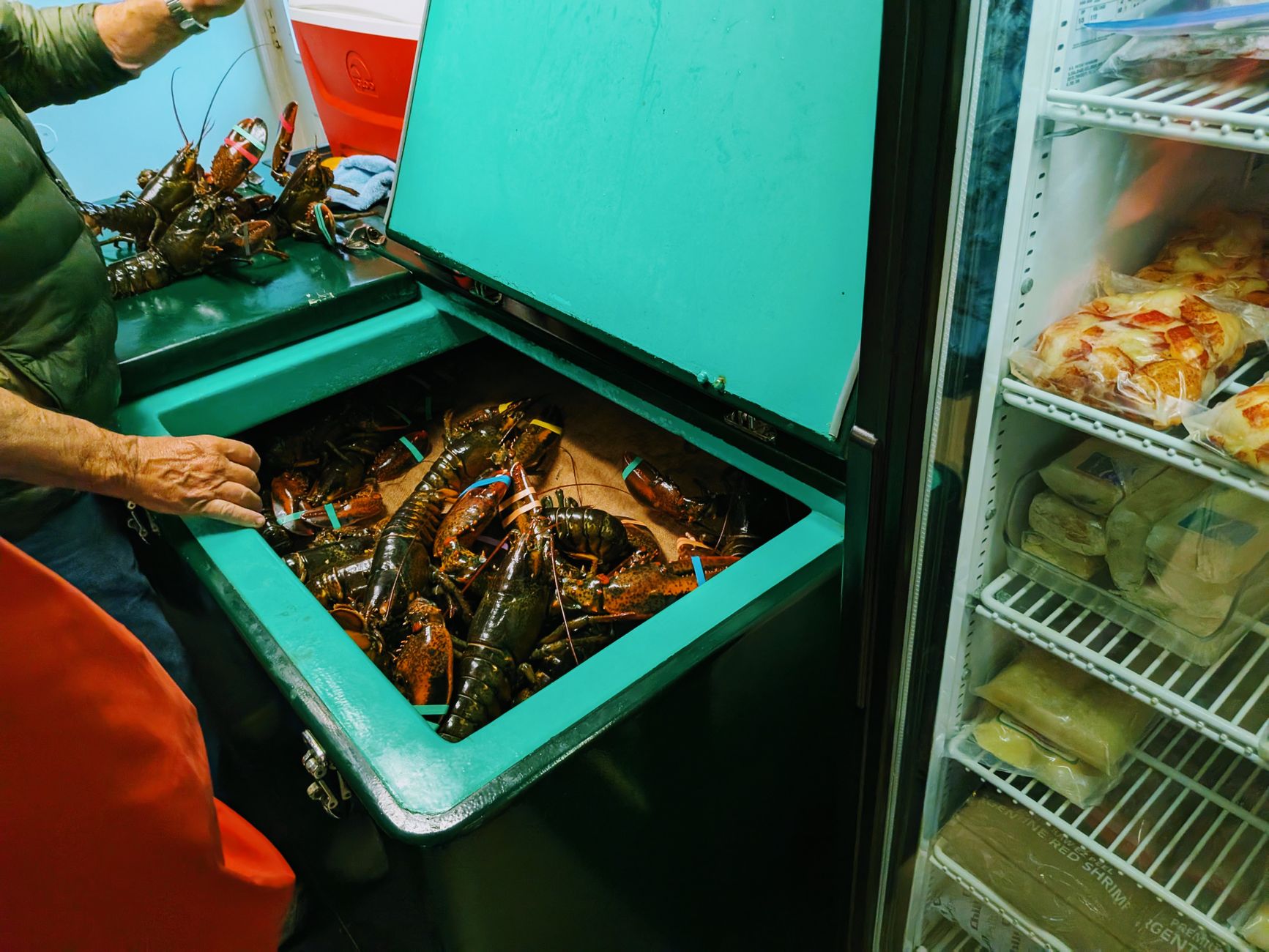
A chest freezer is an energy-efficient investment that costs between $40 and $80 annually to run, depending on model volume and ambient storage temperature. While upright freezers offer better organisation, chest models provide superior thermal retention and lower power consumption due to their top-loading design which prevents cold air from escaping.
⚡ In a Rush? Key Takeaways
- Most modern chest freezers consume between 150 and 300 kWh of energy per year.
- A 5-cubic-foot unit is ideal for a 2-person household storing bulk protein purchases.
- Manual defrosting every 6 months maintains efficiency and prevents ice buildup.
- ✅ Best value: Choose an Energy Star model to save roughly 10% on annual electricity.
How Do You Calculate the Running Cost of a Chest Freezer?
Annual running costs for a chest freezer typically range from $35 to $90 based on an average US electricity rate of $0.16 per kilowatt-hour.
Why Is Energy Consumption Lower Than Upright Models?
Chest freezers lose less cold air when opened because cold air is denser than warm air and remains trapped inside the bottom of the basin.
Because cold air does not rush out every time you lift the lid, the compressor runs less frequently to maintain temperature stability. This passive efficiency means even mid-range models can compete with high-end upright units.
How Do Ambient Temperatures Affect Yearly Power Usage?
High ambient heat forces the compressor to work harder, increasing energy draw by up to 20 percent compared to a cool, climate-controlled zone.
Placing your freezer in a sweltering garage during peak summer will significantly impact your energy efficiency goals. Ideally, keep the unit in a basement or mudroom where temperatures remain relatively stable year-round.
- Maintain at least 4 inches of clearance around the perimeter for airflow.
- Avoid direct sunlight exposure which creates thermal load on the exterior.
- Use a dedicated outlet rather than an extension cord to prevent voltage drop.
How Should You Size a Freezer for Your Household Needs?
A common rule of thumb is to allow 1.5 to 2 cubic feet of freezer space for every individual living in your home for optimal bulk storage.
What Are the Standard Capacity Tiers Available Today?
Compact units start at 3 cubic feet while large family-sized models extend past 20 cubic feet, providing massive storage for bulk meat buys.
If you are a kitchen workflow enthusiast, you likely understand that buying proteins in bulk requires dedicated space. A 7-cubic-foot model is usually the “sweet spot” for a family of four.
Is Bigger Always Better for Long-Term Food Preservation?
A fuller freezer is actually more energy-efficient because the mass of frozen items acts as a thermal battery, stabilising internal temperatures.
If you purchase a massive unit but leave it mostly empty, you are paying to cool air, which does not hold temperature as well as frozen food. If the unit is too big, fill the empty space with jugs of water to maintain efficiency.
| Capacity (cu. ft.) | Best For | Annual kWh Estimate |
|---|---|---|
| 3-5 | Singles/Couples | 180-220 |
| 7-10 | Small Families | 250-280 |
| 15+ | Bulk Homesteaders | 350-420 |
What Maintenance Practices Extend the Life of Your Freezer?
Regular maintenance involving manual defrosting and seal cleaning can extend the functional lifespan of a chest freezer from 10 to 15 years.
How Often Should You Manually Defrost the Basin?
Defrosting is required when frost accumulation reaches 1/4 inch thickness to ensure the evaporator coils maintain efficient heat exchange.
Excessive ice acts as an insulator that prevents the freezer from cooling the air effectively. Refer to our DIY repair guide for tips on safely removing ice without damaging the cooling elements.
Why Do Freezer Gaskets Fail Over Time?
Dirt, food residue, and age harden the rubber gasket, leading to air leaks that cause internal condensation and heavy frost accumulation.
Cleaning the seal with warm soapy water every three months keeps the rubber supple. If the seal no longer creates a “suction” feeling when you lift the lid, it is likely time for a replacement.
- Check the seal integrity by closing the lid on a piece of paper.
- If the paper slides out easily, the gasket is failing and needs adjusting.
- Vacuum the condenser coils annually to remove dust buildup.
Frequently Asked Questions
-
Can I keep my chest freezer in an unheated garage?
Many models are designed for ambient temps down to 0°F, but check the manual to ensure your specific model is garage-ready for winter.
-
What is the ideal temperature for a chest freezer?
Set your freezer to 0°F (-18°C) to ensure long-term food safety and prevent bacterial growth in frozen goods over extended periods.
-
Is it better to buy a model with internal lighting?
Internal lighting is a quality-of-life feature that prevents food from getting buried, which can help reduce the time the lid stays open.
-
How Can You Organize a Chest Freezer for Easy Access?
Using baskets, dividers, and labeling systems can transform a deep chest freezer from a cluttered pit into an efficient, accessible storage zone.
Common concerns include defrosting methods, optimal temperature settings, and the viability of garage placement for long-term storage.
Stackable plastic baskets or wire dividers allow you to create vertical layers, making it simple to grab items without having to dig through the entire contents. Group similar foods—such as meats, vegetables, and prepared meals—in separate containers to reduce search time and keep the lid open for shorter periods.
Label each bin with a waterproof marker or freezer-safe tags, and consider keeping a simple inventory list on the freezer door. This practice helps you track what you have, avoid duplicate purchases, and rotate stock so older items are used first, minimizing waste and maintaining optimal organization.