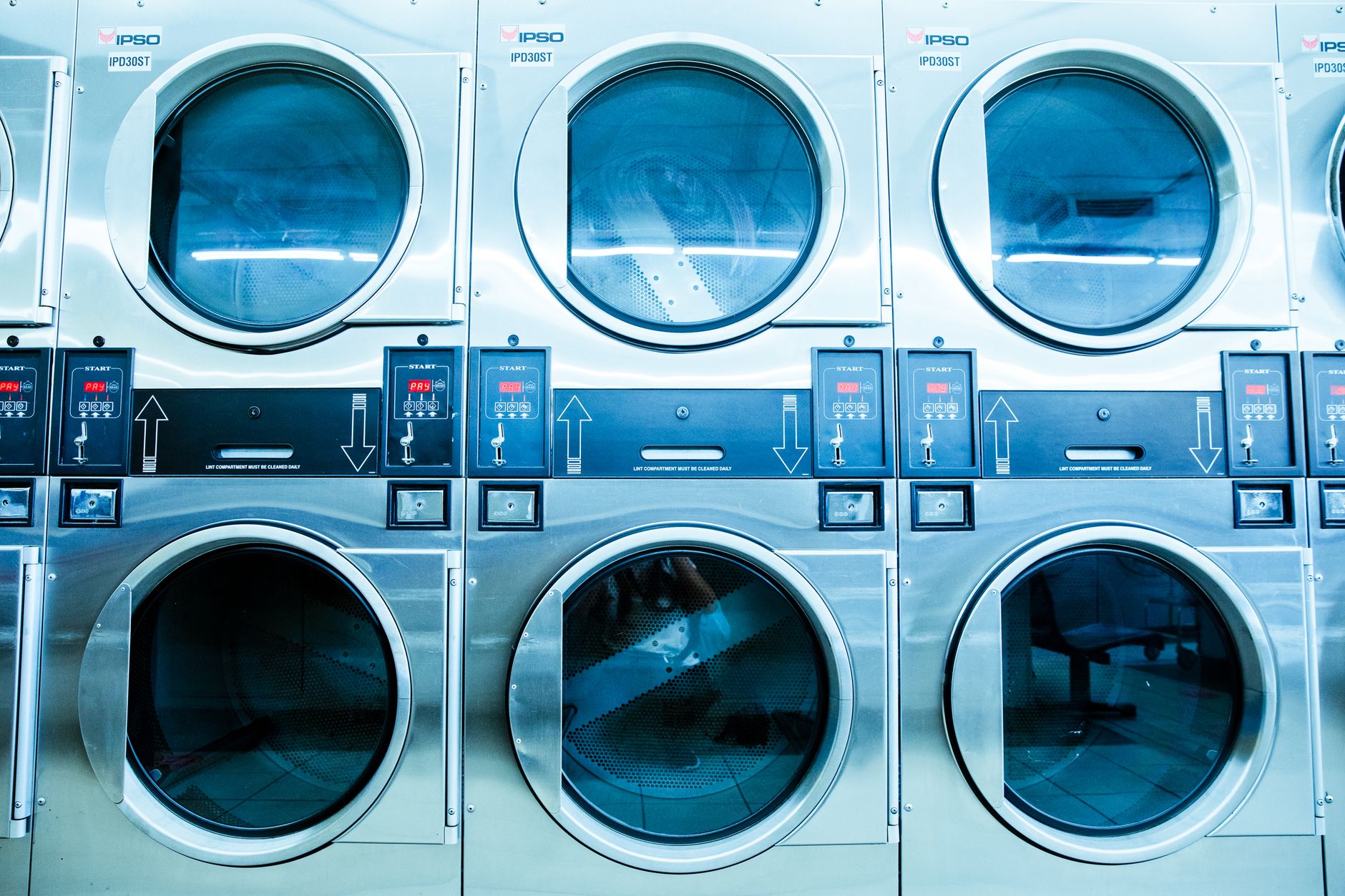
A high-quality washing machine in 2026 is an investment in household efficiency that balances drum capacity with precise water and electricity consumption. Most households benefit from choosing an A or B-rated unit under current energy standards, as these machines pay for themselves in reduced utility bills over their expected ten-year lifespan.
⚡ In a Rush? Key Takeaways
- New A-rated machines use 60% less energy than units built before 2015.
- High spin speeds above 1400 RPM reduce dryer energy use by 15% per load.
- Cold water cycles save roughly $50 per year in heating costs for average families.
- Regular drum cleaning prevents mold and adds 3-5 years to machine longevity.
- ✅ Best value: Choose an A-rated machine with an 8-9kg capacity for efficiency.
How Do You Choose the Right Washing Machine Capacity?
Select a drum size based on your household size: 7kg for individuals, 8-9kg for couples, and 10kg-plus for families doing daily laundry loads.
Does a Larger Drum Always Cost More to Run?
Larger drums do not always consume more energy because sensors automatically adjust water levels and cycle times based on the actual load weight.
It is a common misconception that a 10kg machine will always use more power than an 8kg model. Modern machines feature weight sensors that detect how much laundry is inside before water enters the drum.
If you have a large family, efficient laundry management is easier with a larger drum. You can wash bulky items like duvets at home rather than paying for dry cleaning services.
Why Does Spin Speed Matter for Overall Running Costs?
Spin speeds of 1400 RPM or higher extract more moisture, drastically cutting the energy required for tumble drying and reducing total cycle costs.
- 1200 RPM: Standard for most casual loads.
- 1400 RPM: Ideal for heavy cottons and sheets.
- 1600 RPM: Best for synthetic fabrics and quick drying.
What Are the Best Ways to Maintain Your Machine for Longevity?
Maintenance involves regular drum cleaning, checking the pump filter monthly, and leaving the door ajar after cycles to prevent dampness and mold.
How Often Should You Clean the Drum and Filter?
Run a hot service wash with a cleaner once a month and empty the debris filter every two months to ensure the machine drains correctly.
Scale buildup and detergent residue are the primary causes of premature pump failure. By following a structured home maintenance plan, you ensure your appliance runs at peak performance.
If your machine starts emitting an odor, it is likely due to stagnant water in the seal. Wipe this down after every heavy wash.
Why Is Detergent Dosage Critical for Appliance Health?
Excess detergent leaves residue on internal parts, causing mechanical issues and requiring more energy to rinse items clean after a full wash.
| Factor | Low-Dose Impact | High-Dose Impact |
|---|---|---|
| Cleaning | Poor stain removal | Residue buildup |
| Lifespan | Neutral | Pump strain |
| Energy | Efficient | Higher rinse demand |
Which Efficiency Features Should You Prioritize in 2026?
Look for auto-dosing systems, inverter motors, and high energy labels to lower your carbon footprint and monthly electricity bills significantly.
Are Inverter Motors Actually More Reliable?
Inverter motors have fewer moving parts than traditional motors, resulting in quieter operation and less long-term mechanical wear and tear.
These motors use magnets instead of carbon brushes, which removes the need for frequent part replacements. This is a vital appliance buying metric for anyone looking for a ten-year appliance.
How Can Auto-Dosing Reduce Your Monthly Expenses?
Auto-dosing dispensers store liquid detergent and release the exact amount needed per load, preventing waste and ensuring perfectly clean clothes.
- Saves up to 30% on detergent costs per year.
- Reduces rinse cycle water usage.
- Prevents premature fabric fading.
How Do Smart Features Like Wi-Fi and AI Optimize Washing?
Smart washing machines connect to home networks, allowing remote start, cycle customization, and AI-driven load detection that tailors water, temperature, and time for each wash to save resources.
Through a companion app, users can receive maintenance alerts, track energy usage, and download specialized cycles (e.g., allergen, eco, or steam) that aren’t available on the machine’s panel. AI algorithms learn from your habits to suggest optimal settings, reducing unnecessary rewashes and extending fabric life.
Many 2026 models also integrate with voice assistants and smart home routines, enabling you to start a load while you’re still at work or schedule off‑hour cycles to take advantage of lower electricity tariffs. These conveniences translate into measurable savings on both utility bills and time spent managing laundry.
Frequently Asked Questions
-
Is a front-load washer better than a top-load model?
Front-load washers generally use 50% less water and energy while being gentler on fabrics compared to traditional agitator-style top loaders.
-
Should I use cold water for every cycle?
Yes, modern enzymes in cold-water detergents perform just as well as heat-based washing for 90% of household laundry loads.
-
How can I tell if my machine needs a professional repair?
Error codes that persist after a restart, loud banging during spin, or water pooling under the machine require a professional technician visit.
-
Does a longer wash cycle use more electricity?
Counter-intuitively, longer cycles often use less energy because the machine spends more time soaking clothes rather than aggressive heating.