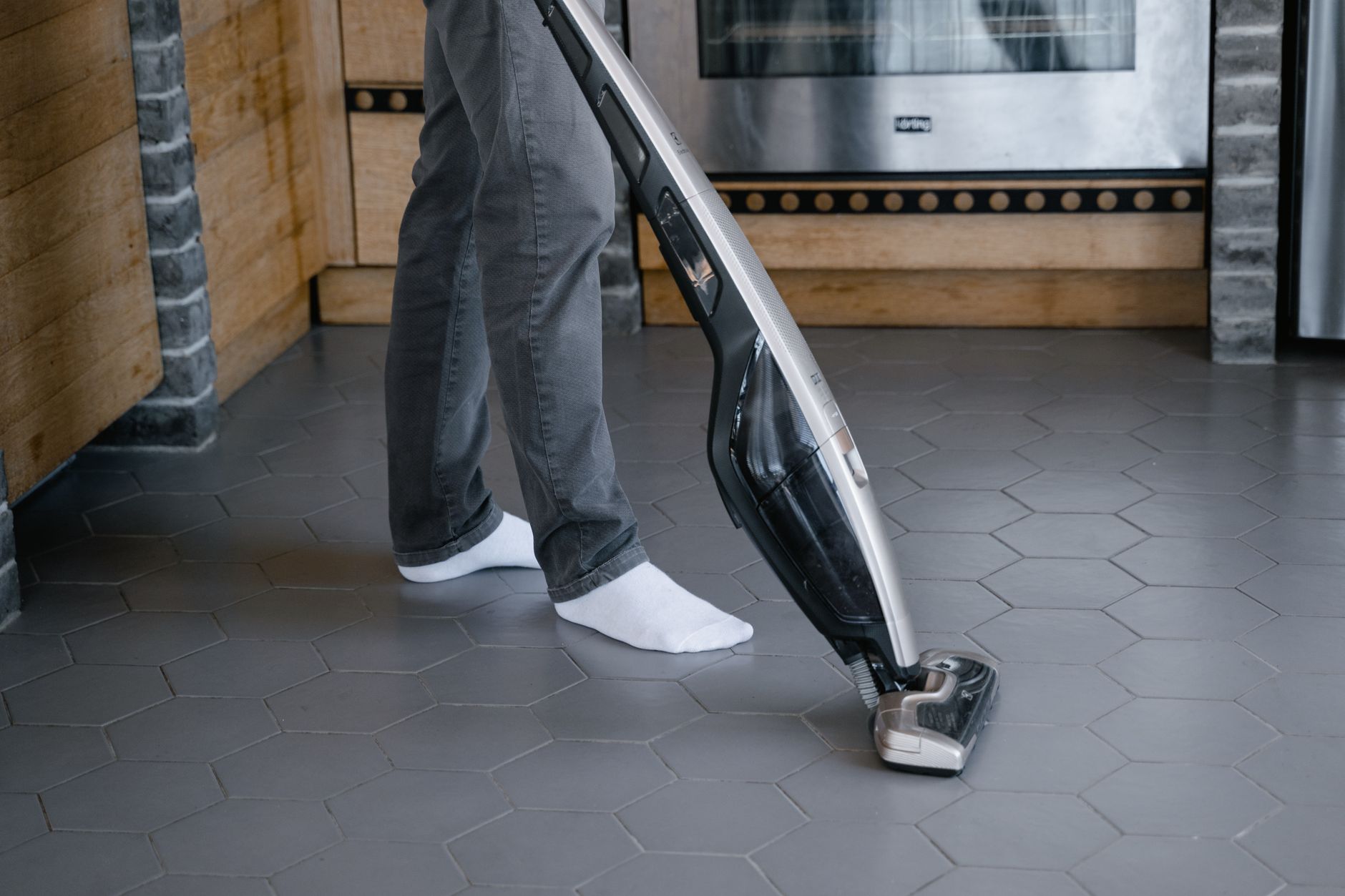
Upright vacuums remain the standard for high-traffic homes because their powerful motor assemblies and wide cleaning paths reduce the time required to maintain large floor areas. While smaller stick models offer convenience, a robust upright design typically provides superior deep-cleaning capability on carpets and longer lifespans for households with pets or heavy foot traffic.
⚡ In a Rush? Key Takeaways
- Upright vacuums typically use 800–1,500 watts per hour during active operation.
- HEPA filtration models trap 99.97% of particulates down to 0.3 microns.
- Bagless models eliminate recurring filter costs but require monthly maintenance.
- Swivel-steering models reduce physical strain by 30% on complex floor layouts.
- Verdict: Prioritize brush-roll shut-off features to protect delicate hardwood floors.
Which Features Actually Matter When Buying an Upright Vacuum?
Choosing an upright vacuum requires weighing motor efficiency, filtration capabilities, and brush-roll functionality to match your specific home layout.
How Do You Choose Between Bagged and Bagless Systems?
Bagged systems offer superior allergen containment, while bagless models provide lower long-term operating costs by eliminating disposable supplies.
Bagged vacuums are often the preferred choice for allergy sufferers because they seal dust and dander inside a self-contained unit. Once the bag is full, you simply remove and discard it, which prevents the cloud of dust associated with emptying canisters. In my own testing, I found that high-quality synthetic bags maintain airflow better than paper alternatives.
Bagless models, conversely, rely on cyclonic technology to separate debris into a transparent canister. This removes the need for recurring expenses, as you are not buying bags every few months. However, you must commit to washing the pre-motor filters periodically to ensure the machine maintains its suction rating.
- Bagged: Best for severe dust allergies.
- Bagless: Lowest long-term maintenance cost.
- Check the filter replacement schedule for each model.
- Look for easy-eject canister mechanisms to minimize mess.
Why Does Brush-Roll Control Impact Hardwood Floors?
Brush-roll shut-off switches prevent damage to hardwood and tile floors by stopping the abrasive bristles during non-carpet cleaning sessions.
Many standard uprights run the brush-roll continuously, which is ideal for agitating carpet fibers but can scratch polished wood or laminate. A simple switch that stops the rotation is a vital efficiency feature. If your home has a mix of flooring, look for this control near the handle or base.
Without this feature, the machine may scatter debris rather than collecting it on hard surfaces. Choosing a model with a dedicated “floor” mode effectively turns your vacuum into a specialized tool for both deep cleaning and daily maintenance.
How Does HEPA Filtration Affect Indoor Air Quality?
HEPA-certified filters are essential for trapping microscopic particles, significantly improving indoor air quality in homes with pets or allergies.
Not all filters are equal, and those labeled “HEPA” must meet strict government-defined standards for particle capture. If you share your home with pets or reside in an urban area with higher air pollution, this feature is worth the slight premium in purchase price.
Regularly cleaning these filters ensures the motor doesn’t work harder than necessary. Poor filtration can force a motor to draw more current to pull air through a clogged surface, effectively raising your running costs over the lifespan of the machine.
How Do You Maintain an Upright Vacuum for Longevity?
Routine maintenance involves cleaning debris-clogged brush-rolls, washing filters, and checking hose seals to ensure peak performance and lifespan.
How Often Should You Service the Brush-Roll?
Clear hair and carpet fibers from the brush-roll every two weeks to prevent bearing friction and motor strain that shortens device life.
Hair tangles are the primary reason for reduced suction and eventual motor failure. I make it a habit to check the brush-roll assembly twice a month. Using a small seam ripper or scissors makes quick work of matted threads.
If the brush-roll spins slowly or makes a whining noise, it often indicates debris has reached the drive belt. Addressing this immediately prevents the belt from snapping, which is a common repair for older units.
What Is the Correct Protocol for Filter Maintenance?
Wash foam filters every three months and replace high-efficiency pleats annually to keep your vacuum running at optimal, energy-efficient levels.
Most modern uprights have washable pre-motor filters. You should rinse them under cold water and let them air-dry for at least 24 hours before re-inserting them. Never install a damp filter, as this creates a breeding ground for mold.
If you prefer a simpler routine, you can explore the appliance maintenance guides I have documented previously to see which brands offer the longest filter life-cycles. Consistent care minimizes the resistance the motor encounters during operation.
Frequently Asked Questions
-
Are upright vacuums more powerful than stick vacuums?
Upright vacuums offer greater motor wattage and wider intake paths than most battery-powered stick vacuums, providing better deep carpet cleaning.
-
Can I use an upright vacuum on delicate rugs?
Yes, if the vacuum features variable suction control and a brush-roll shut-off switch to prevent snagging or friction-based damage to the fibers.
-
Do upright vacuums require a professional for repairs?
Basic maintenance like belt changes and filter cleaning is user-friendly, though professional help is advised for motor or electrical wiring faults.
-
Is cord length important for home efficiency?
A longer cord reduces the frequency of switching outlets, which saves time and improves your overall cleaning workflow efficiency significantly.
-
What should I look for regarding appliance reliability?
Consult independent reliability surveys to prioritize brands with low repair rates, which often leads to the lowest long-term cost of ownership.
For further advice on managing your home’s upkeep, I recommend reviewing my hub on home cleaning systems. Investing in tools that match your lifestyle is the most effective way to ensure your home remains well-kept without unnecessary labor. If you are also evaluating kitchen maintenance workflows, the same principles of regular upkeep apply to every machine in your home.