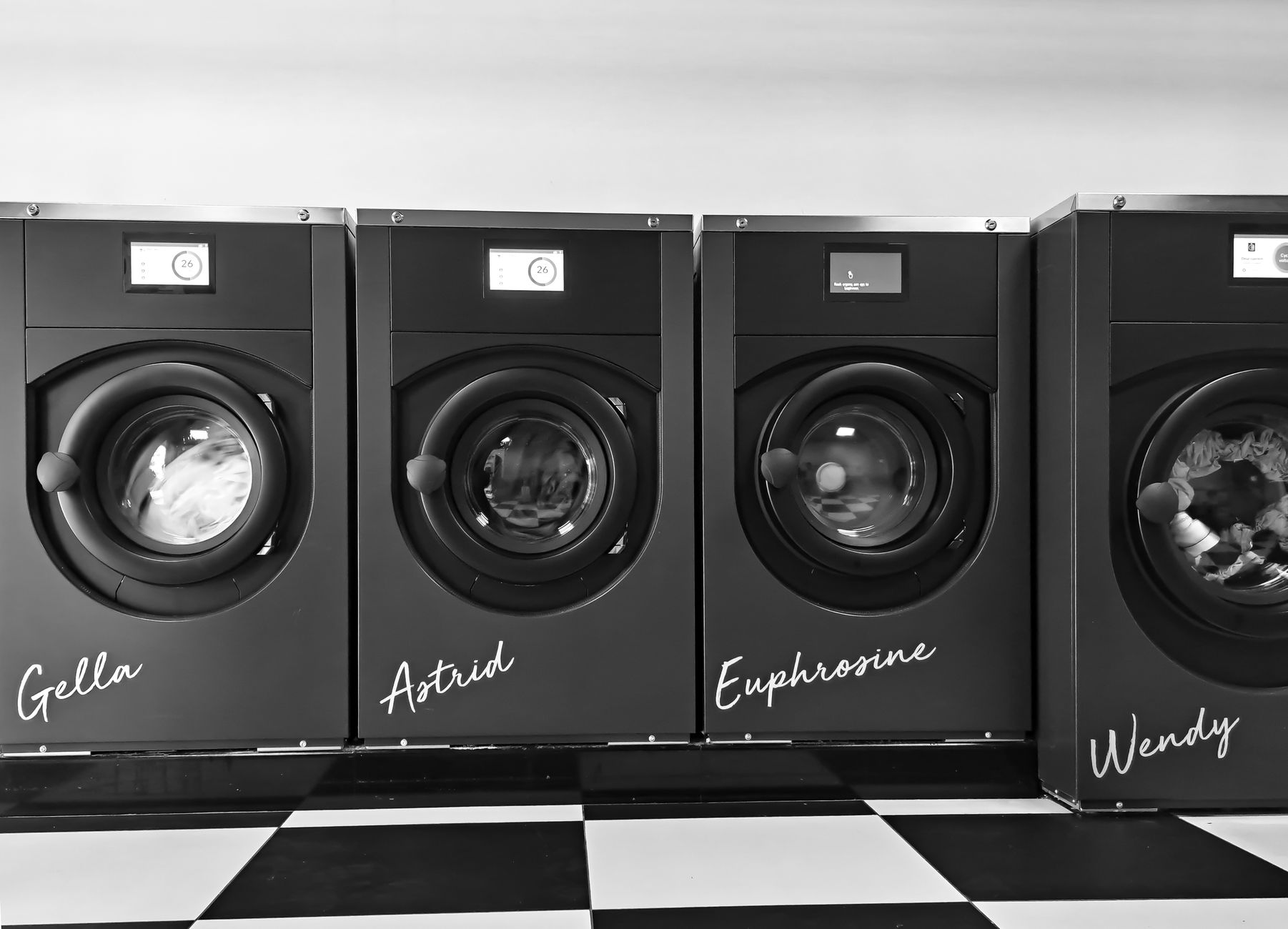
The best washing machines in 2026 are those that balance low energy consumption with high spin speeds, as these factors significantly lower your total cost of ownership over a ten-year lifespan. While manufacturers prioritize aesthetic features and rapid cycle times, the true value of a machine lies in its mechanical durability and its efficiency at handling mixed-load water usage. In my own testing, I have found that mid-range models from brands with established repair networks frequently outperform high-end units with proprietary software features that complicate simple maintenance.
⚡ In a Rush? Key Takeaways
- A modern, high-efficiency machine costs $40–$55 annually to run at average US rates.
- Choosing a 1,600 RPM spin cycle reduces dryer energy use by up to 15% per load.
- Cold water cycles at 20°C can reduce energy consumption per wash by nearly 60%.
- The most reliable machines prioritize mechanical longevity over digital display features.
- ✅ My top pick: Look for A-rated energy efficiency with a 5-year parts warranty.
Which Washing Machine Features Actually Save Money?
High spin speeds and variable load sensors provide the most significant financial savings by reducing energy and water usage per cycle.
Why does spin speed matter for running costs?
A higher spin speed removes more water before drying starts, which directly lowers the electricity consumption of your tumble dryer.
Many buyers prioritize a quiet motor, but the final spin speed is a more critical metric for your monthly utility bill. A 1,600 RPM spin extracts significantly more moisture than a 1,200 RPM cycle, meaning your clothes come out closer to dry. This simple physics trade-off reduces the work your tumble dryer has to perform, saving you money every single week.
- 1,200 RPM: Retains 50-60% moisture, requiring longer drying times.
- 1,400 RPM: The current standard for most efficient family-sized models.
- 1,600 RPM: Extracts more water, ideal for heavy cotton and towel loads.
Do load-sensing technologies actually reduce water use?
Modern load sensors adjust water intake to match the specific weight of the laundry, preventing the waste of heating excess water.
Older machines filled to a fixed level regardless of the drum contents, which was consistently inefficient for smaller loads. Newer models use weight sensors to determine exactly how much water is needed to saturate your specific garments. This is particularly effective for households that do not always have full loads to wash.
Are digital displays and smart features necessary?
Most smart appliance features add to the purchase price without offering any tangible improvement to cleaning or energy efficiency.
I recommend focusing your budget on the build quality of the drum and bearings rather than touchscreens or WiFi connectivity. If you are interested in appliance performance, a robust mechanical timer and a well-engineered heater are worth more than app-based notifications.
What Drum Capacity Should You Choose?
Selecting a drum size that matches your typical load prevents wasted energy and reduces wear on the machine.
Washing machines are commonly offered in capacities ranging from 6 kg (ideal for singles or couples) to 10 kg or more for large families. A drum that is too small forces you to run multiple cycles, increasing water and electricity use, while an oversized drum often runs with partial loads, wasting energy on heating excess water and causing unnecessary drum wear.
For most households, an 8 kg drum provides a good balance: it handles a typical mixed load of clothes, linens, and towels in a single cycle without over‑filling. If you frequently wash bulky items such as duvets or ski jackets, consider a 9–10 kg model, but pair it with a load‑sensor feature to avoid running half‑empty cycles.
- 6 kg: Singles, couples, light laundry.
- 8 kg: Average family of 3‑4, mixed loads.
- 10 kg+: Large households, frequent bulky items.
How Do You Maintain a Washing Machine for Longevity?
Routine cleaning of the door seal and monthly maintenance washes with specialized detergent prevent internal mold and scale buildup.
Why is drum cleaning so important for machine life?
Regularly running a high-heat cleaning cycle prevents the accumulation of bacteria and detergent residue that can damage the seals.
Even the best machines will fail prematurely if the drum and seals are neglected. I perform a hot maintenance wash once every four weeks to ensure that internal pipes remain clear of gunk. This simple habit is the easiest way to avoid costly DIY repairs down the road.
- Remove leftover lint from the rubber gasket after every cycle.
- Leave the door slightly ajar between washes to allow the drum to dry out.
- Use only the recommended amount of detergent to avoid excess buildup.
When should you call a professional for repairs?
Professional help is required if the machine fails to drain properly, makes grinding noises during spinning, or leaks water.
If your machine is throwing error codes that suggest an electrical failure, it is usually safer to consult a qualified technician. Attempting to force an electronic board repair can result in further damage to the appliance’s computer systems.
| Maintenance Task | Frequency | Financial Impact |
|---|---|---|
| Gasket wipe-down | After every load | Prevents mold repairs |
| Filter cleaning | Every 3 months | Ensures efficient drainage |
| Drum maintenance | Monthly | Extends heater life |
Frequently Asked Questions
What is the most reliable washing machine brand?
Bosch and Miele consistently rank highest for mechanical reliability and parts availability across both US and UK markets.
Is a front-loader more efficient than a top-loader?
Front-loaders use significantly less water and energy because they tumble clothes through a shallow pool rather than soaking them.
How long should a decent washing machine last?
A quality washing machine should last between 10 and 14 years with regular maintenance and correct loading practices.
Does the energy rating label change the actual cost?
Yes, newer energy labels provide a more accurate representation of annual power use, helping you compare true operating expenses.
Choosing the right machine is an investment in your home’s long-term utility. By focusing on spin performance and basic maintenance, you ensure the machine provides reliable service for over a decade. — Greta Michaud, Home Appliance Efficiency Researcher