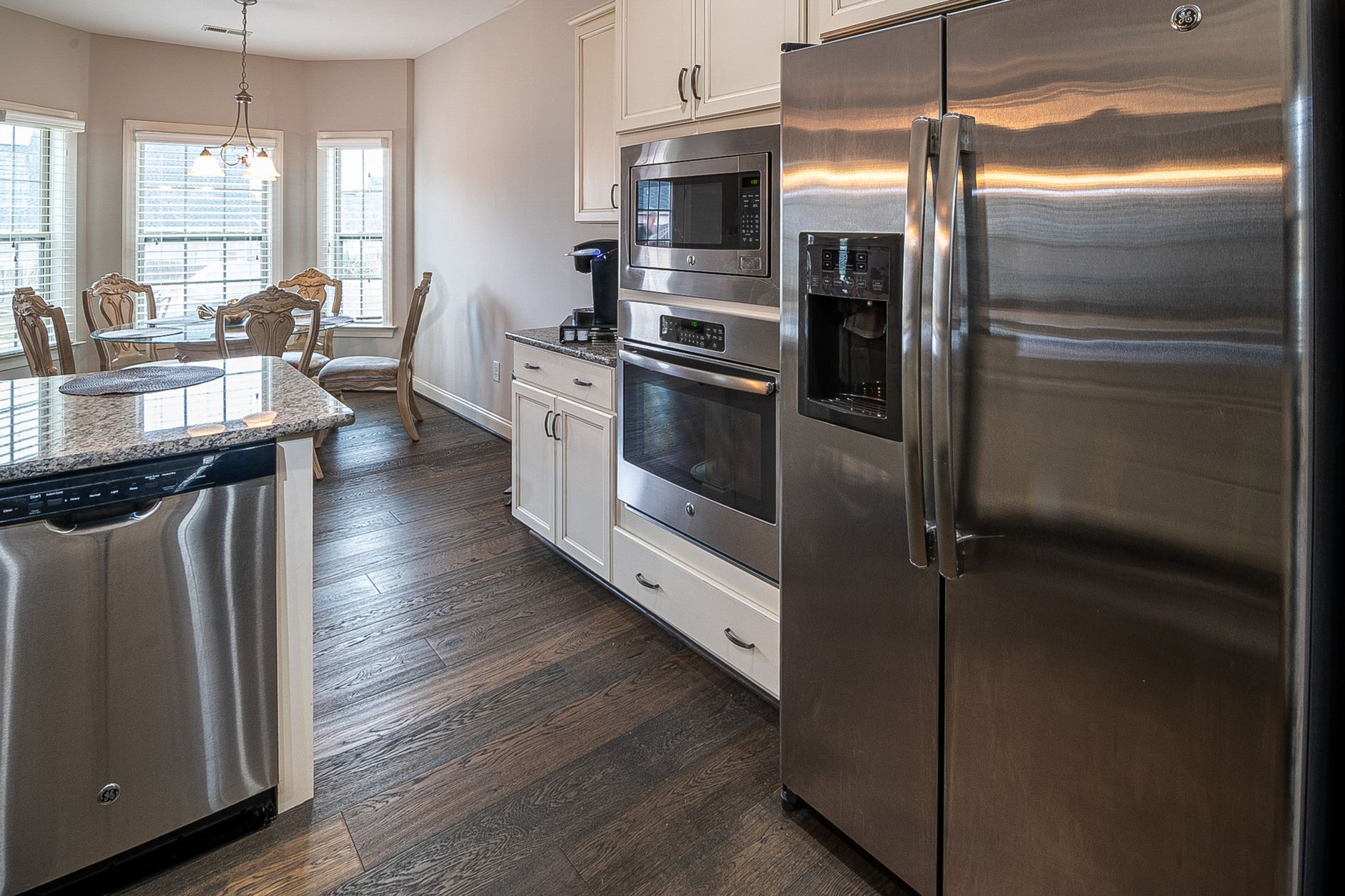
A home appliance guide is essentially a blueprint for managing your household energy costs and maintenance overhead over the next decade. Choosing the right appliance involves looking beyond the initial sticker price to evaluate total cost of ownership, energy efficiency, and repairability.
⚡ In a Rush? Key Takeaways
- New energy labels mean an A-rated unit uses 30-50% less power than older models.
- Over a 10-year lifespan, running costs often exceed the appliance’s purchase price.
- High spin speeds on washers can reduce your dryer’s energy consumption by 15%.
- ✅ Verdict: Prioritize repairability and energy ratings over the cheapest upfront model.
Which Home Appliances Offer the Highest Return on Investment?
Appliances with high usage frequency like refrigerators and washing machines offer the best return through lower energy consumption.
Why should you prioritize refrigerator energy ratings?
Refrigerators run 24 hours a day, making the energy efficiency gap between a 2015 model and a 2026 model cost up to $50 annually.
Your refrigerator is the only appliance that never switches off. While a new model might cost more upfront, the cumulative energy savings over its 15-year life are substantial. I have tracked appliance performance data showing that modern compressors are vastly superior to those from just a decade ago.
- Look for the latest Energy Star ratings for your specific region.
- Prioritize bottom-freezer models, which are generally more efficient.
- Check for “Inverter” technology, which adjusts cooling based on demand.
How do washing machines affect your annual utility bills?
Washing machines impact water and heating bills, with high-efficiency models saving the average family over $100 per year on utilities.
Modern washing machines have evolved to use less water and energy, but the real efficiency gain comes from how you use them. Cold water cycles now provide excellent cleaning results, which significantly reduces the energy required for internal heating elements.
| Feature | Efficiency Impact |
|---|---|
| 1600 RPM Spin | Reduces dryer energy by 15% |
| Cold Wash Cycles | Saves 80% of wash energy |
| Auto-Dosing | Prevents detergent waste |
How Do You Calculate the True Cost of Appliance Ownership?
True cost includes purchase price, 10 years of electricity or water usage, and the estimated cost for typical minor repairs.
What is the 10-year total cost of ownership?
The 10-year total cost includes the purchase price added to the estimated annual energy costs multiplied by ten years of use.
Most buyers make the mistake of only looking at the price tag. In my experience, a machine that costs $200 more but uses 20% less energy pays for itself within four years. You should also consult maintenance cost estimators to understand potential repair outlays for specific brands.
- Factor in the cost of consumables like filters and descalers.
- Research brand-specific repair reliability data.
- Consider the warranty duration as a proxy for build quality.
How do you assess the reliability of an appliance brand?
Reliability is assessed through independent consumer surveys, looking at repair frequency within the first five years of ownership.
Certain manufacturers prioritize longevity, while others focus on low-cost mass production. If you want an appliance that lasts, look for brands that offer easy access to spare parts. Often, the most “advanced” features are the first to break, making simple, well-built machines the better long-term choice.
What Are the Best Practices for Appliance Maintenance?
Routine maintenance like cleaning filters and checking seals extends appliance life by preventing strain on motors and pumps.
How often should you clean appliance filters and seals?
Filters should be cleaned monthly to ensure airflow and water efficiency, while rubber seals require a wipe-down every few weeks.
Neglecting maintenance is the fastest way to shorten an appliance’s life. A blocked dryer vent forces the machine to run twice as long, while a dirty dishwasher filter leads to poor cleaning and potential damage to the pump. Proper home systems depend on these small but critical habits.
- Dishwasher: Remove and rinse the filter monthly.
- Dryer: Clean the lint trap before every single load.
- Fridge: Vacuum the coils at the rear annually to ensure airflow.
When should you repair rather than replace an appliance?
Repair when the cost is below 50% of a new machine’s price and the unit is under seven years old, provided parts are readily available.
Sometimes, the most efficient move is to fix what you already own. If the repair cost is reasonable and the machine has a solid track record, keep it running. Replacement is only truly “efficient” when the energy and water savings of the new model will eclipse the repair costs within a reasonable timeframe.
Frequently Asked Questions
Find quick answers to the most common questions regarding appliance efficiency, lifespan, and maintenance for the average home.
Are smart appliances more efficient than standard ones?
Smart features often add convenience but rarely offer significant energy savings compared to high-efficiency “dumb” appliances.
Does appliance size affect energy consumption?
Yes, larger capacity appliances often use more energy, but they can be more efficient if they allow you to run fewer total cycles.
Is it better to buy energy-efficient appliances or cheaper models?
Energy-efficient models almost always win on total cost of ownership over a 10-year period despite higher upfront purchase costs.
Choosing appliances with a long-term mindset transforms your home into a more efficient, less costly environment. By tracking your usage and performing regular maintenance, you ensure your equipment works for you rather than against your budget.
— Greta Michaud, Home Appliance Efficiency Researcher