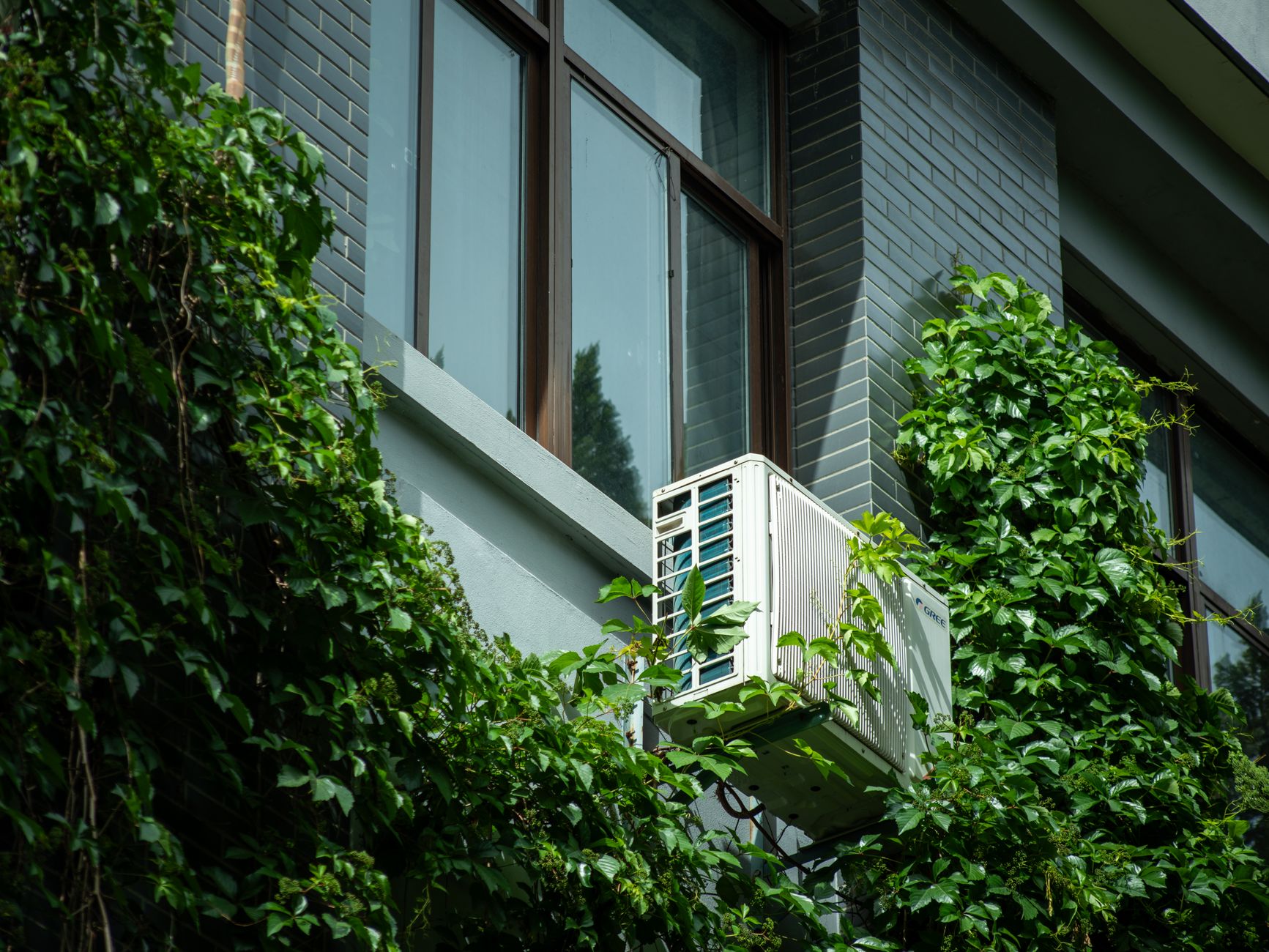
The best energy efficiency appliances in 2026 are those that earn a top-tier rating on the current, more rigorous EU energy scale or those that exceed the baseline requirements of the U.S. Energy Star Most Efficient program. Investing in these models typically reduces total appliance electricity consumption by 20% to 40% compared to standard, entry-level household equipment.
⚡ In a Rush? Key Takeaways
- New EU energy labels make a 2021-era A-rated appliance equivalent to older A+++ models.
- Heat pump tumble dryers cut energy usage by 60% compared to traditional vented units.
- Switching to high-efficiency refrigeration saves $40–$60 annually in electricity costs.
- Always prioritize appliances with inverter motor technology for superior load management.
- ✅ Top pick: Choose heat-pump laundry systems and inverter-driven fridges for best ROI.
How Do You Identify the Most Efficient Appliances Today?
Look for the Energy Star Most Efficient designation in the US or the A-rated category on the current EU energy labels for reliability.
Why should you ignore old energy ratings?
Energy label standards were recently rescaled, making older A+++ ratings obsolete and often equivalent to a modern D or E efficiency grade.
Manufacturers frequently use old terminology to make older stock appear competitive. Always verify the specific annual kilowatt-hour (kWh) consumption figure listed on the product spec sheet rather than relying on a letter grade alone.
What role does inverter technology play in efficiency?
Inverter motors adjust their speed to match the load requirements, preventing the energy spikes common in standard fixed-speed units.
Whether it is a washing machine or a refrigerator, inverter-driven motors significantly lower running costs. These units operate quieter and last longer because they avoid the mechanical strain of constant stop-start cycles.
Where can you find the best efficiency data?
Consult government-backed databases or reliable third-party testing sites to view actual consumption stats measured under load.
The appliance intelligence hub on this site tracks real-world energy performance. Using data from independent testing avoids the optimistic laboratory figures provided by many manufacturers.
Which Appliances Provide the Greatest Energy Savings?
Refrigerators, heat pump dryers, and smart-controlled water heaters offer the largest cumulative electricity savings for households.
Are heat pump dryers worth the higher upfront price?
A heat pump dryer uses approximately 60% less energy than a vented unit, typically paying for its price premium within four years.
These units recirculate warm air rather than venting it outside. If you are currently using an inefficient vented dryer, consider switching to a modern laundry system featuring heat pump technology for the most dramatic bill reduction.
How much energy does an efficient refrigerator save?
Modern A-rated refrigerators use 150–200 kWh per year, while older units often consume double or triple that amount of electricity annually.
- Check the estimated annual kWh usage on the label.
- Prioritize models with vacuum-insulated panels.
- Opt for bottom-freezer units which generally use less energy.
Can efficient dishwashers lower your water bill?
Energy-efficient dishwashers use under 3 gallons per cycle, significantly less than manual washing, while saving on water heating energy.
For more information on optimizing your kitchen performance, review our guide on kitchen workflow and systems. Using the ‘Eco’ mode is the simplest way to ensure you are getting the efficiency the machine was rated for.
How much energy does a heat pump water heater save?
Heat pump water heaters can reduce water heating electricity use by 50‑70% compared to standard electric resistance tanks.
These units extract heat from the surrounding air and transfer it to the water, operating much like a refrigerator in reverse. Because they move heat rather than generate it, their coefficient of performance (COP) typically ranges from 2.0 to 3.5, meaning they deliver two to three times more heat energy than the electrical energy they consume.
For a household of four, annual savings often fall between $200 and $350 on electricity bills, with payback periods of three to five years depending on local utility rates and climate. Look for the ENERGY STAR Most Efficient label or the EU A‑rating when selecting a model.
Frequently Asked Questions About Appliance Efficiency
Below are the answers to the most common questions homeowners have regarding long-term energy savings and appliance maintenance.
Is it better to repair an old appliance or buy a new efficient one?
If the repair cost exceeds 50% of a new machine’s price and the current unit is over ten years old, buying a new unit is often better.
Does ‘standby mode’ impact appliance energy consumption?
Yes, standby energy usage can add up to $100 annually in a typical home with many interconnected or digital-clock-equipped appliances.
Do smart home features actually reduce energy usage?
Smart features only save energy if you use them to schedule usage during off-peak hours or to monitor actual consumption patterns daily.
Ultimately, energy efficiency is a habit as much as a hardware choice. Selecting the right tools is the first step, but managing how you use them—such as running full loads and choosing lower temperatures—ensures the efficiency gains are realized on your monthly bills.