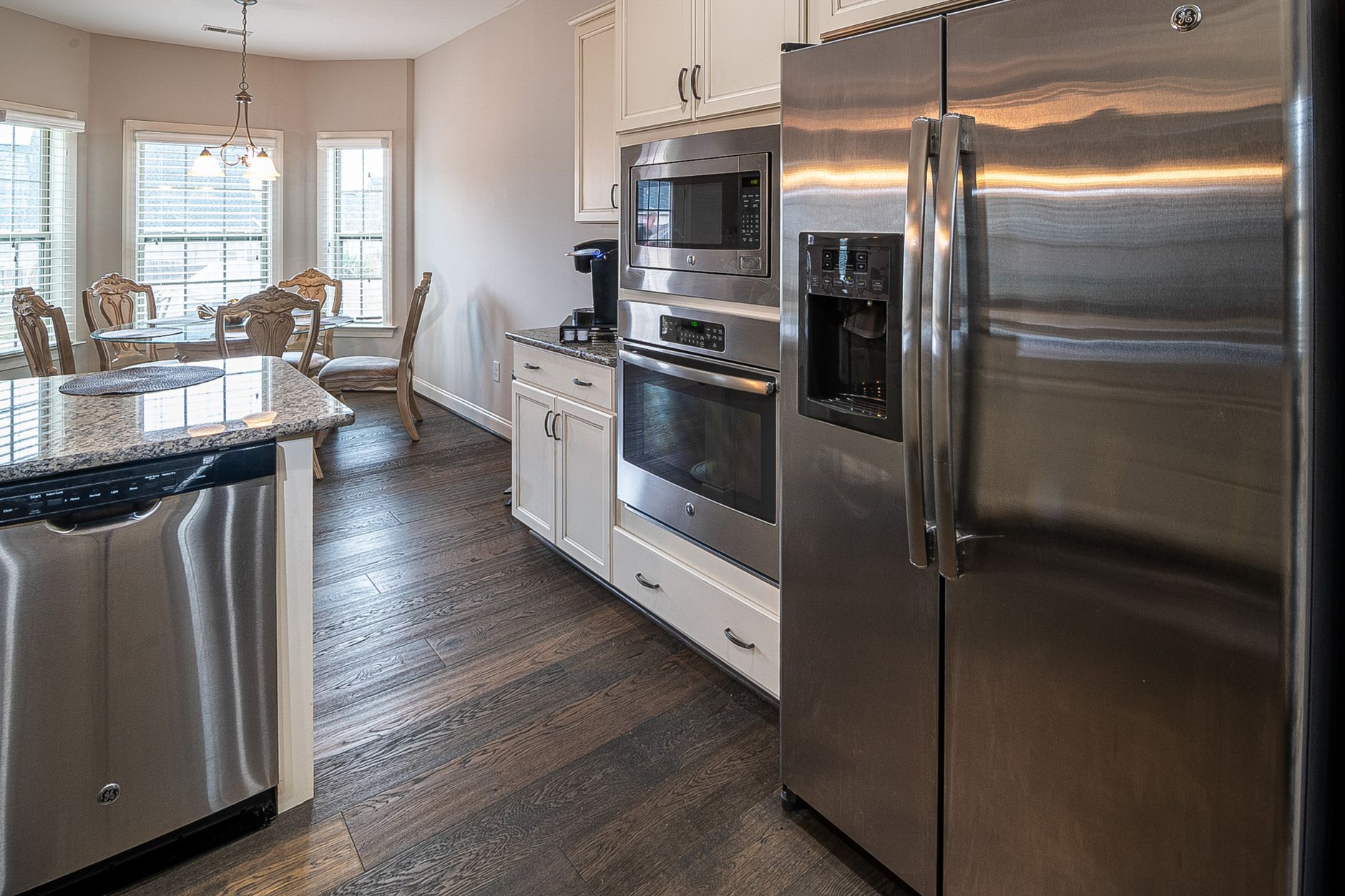
A well-managed home relies on selecting appliances that balance upfront purchase price with the reality of long-term energy and maintenance costs. In 2026, the most effective strategy involves prioritizing total cost of ownership over simple sticker prices to ensure your kitchen and laundry systems remain affordable to run throughout their lifespan.
⚡ In a Rush? Key Takeaways
- Modern A-rated appliances save roughly 30-50% in energy costs over decade-old models.
- Standby power consumption for common home electronics adds $80–$200 to annual utility bills.
- Total cost of ownership calculations should include a 10-year projection of electricity usage.
- ✅ Best strategy: Audit your highest-draw appliances before upgrading for maximum ROI.
How Do You Calculate the Real Cost of an Appliance?
Real cost includes the initial purchase price, estimated energy consumption over ten years, and average repair costs for the specific model.
Why is sticker price a misleading metric?
Sticker price ignores the ongoing electricity or water consumption which often exceeds the machine cost over a standard 10 to 15 year lifespan.
Manufacturers frequently use lower purchase prices to entice buyers, but these budget models often lack the advanced cycle management found in mid-tier units. Over time, an inefficient machine will negate its initial savings through higher monthly utility bills. Always check the annual kWh rating on the yellow energy guide label.
- Initial purchase cost
- Estimated annual energy cost
- Expected maintenance frequency
- Replacement parts availability
How does appliance lifespan affect your budget?
Higher quality units typically last 12–15 years, reducing the frequency of replacement and lowering the amortized cost per year of ownership.
A unit that breaks at year seven is objectively more expensive than a robust model that survives until year fourteen. I evaluate appliances based on long-term appliance performance to ensure you aren’t paying for multiple installations in a single decade. Longevity is the ultimate efficiency.
What is the impact of standby power draw?
Standby power accounts for roughly 5-10 percent of your total residential electricity consumption by keeping appliances in a ready state.
Many modern appliances maintain a digital clock or network connection that consumes power 24/7. Using smart power strips can mitigate these energy efficiency losses effectively. Disconnecting unused devices during long periods away remains the simplest way to reduce phantom load.
What Are the Essential Efficiency Standards for 2026?
Efficiency standards in 2026 prioritize heat pump technology for dryers and advanced inverter motors for washing machines to reduce load.
Is heat pump technology worth the premium?
Heat pump dryers use 60–70 percent less energy than traditional vented models, providing a payback period of roughly three to four years.
The shift toward heat pumps has fundamentally changed laundry workflows. By recycling heated air instead of exhausting it, these units protect clothing fibres while significantly lowering electricity demand. This is a critical kitchen workflow component for modern, efficient households.
| Appliance Type | Energy Saving Potential | Typical Payback Time |
| Heat Pump Dryer | 60-70% | 3-4 Years |
| Inverter Washer | 25-30% | 2-3 Years |
| Induction Cooktop | 40-50% | 4-5 Years |
How to read the 2026 Energy Label
The 2026 Energy Label uses a revised A‑G scale with additional icons for water consumption, noise level, and smart‑grid readiness.
Look for the coloured bar that shows the appliance’s efficiency class; A is the most efficient, G the least. The label also lists the estimated annual electricity use in kWh and the annual water use in litres for relevant appliances.
Optional icons indicate features such as low‑noise operation (< 42 dB), compatibility with home energy management systems, and the presence of a heat‑pump or inverter drive. Comparing these figures across models lets you spot the true long‑term savings beyond the sticker price.
How do inverter motors improve performance?
Inverter motors adjust speed based on load size, which prevents the mechanical wear and energy waste associated with fixed-speed motors.
This technology allows for quieter operation and more precise drum movement. By matching energy input to the weight of the laundry or dish load, these motors maximize efficiency without user intervention. They represent the current gold standard for durability.
Why should you prioritize cold-wash capabilities?
Heating water accounts for 80-90 percent of washing machine energy use, making cold-wash cycles the most effective way to lower bills.
Modern detergents are formulated to perform at 20°C as effectively as they do at higher temperatures. Shifting your habits toward cold-water cycles can save the average family over $100 annually in heating costs. It requires zero hardware investment, only a change in routine.
What Frequently Asked Questions Do Homeowners Have?
-
Should I repair an old appliance or buy a new one?
If a repair exceeds 50 percent of the cost of a comparable new model, replacement is generally the more logical long-term financial choice.
-
Are smart features actually saving energy?
Smart features only save energy if they enable remote scheduling or usage monitoring that leads to meaningful changes in your daily behavior.
-
How often should I clean appliance filters?
Filters should be checked monthly to prevent airflow restriction, which can force motors to work harder and consume more power per cycle.
-
Are energy-efficient appliances more expensive to fix?
While parts for advanced technology can cost more, the increased reliability of modern inverter units often offsets potential repair expenses.
-
What is the most energy-hungry appliance in the home?
Refrigerators and laundry dryers typically lead home energy consumption due to their continuous or high-intensity operation schedules.
Homeowners typically ask about repair versus replacement, standby power impacts, and the specific advantages of new energy label ratings.
Ultimately, selecting appliances in 2026 is about understanding how specific technologies translate into lower utility bills. By focusing on heat-pump technology, inverter motors, and low-temperature cleaning cycles, you can significantly reduce your home’s environmental impact while improving your bottom line. Always prioritize models that provide transparent annual energy usage data before making a commitment.