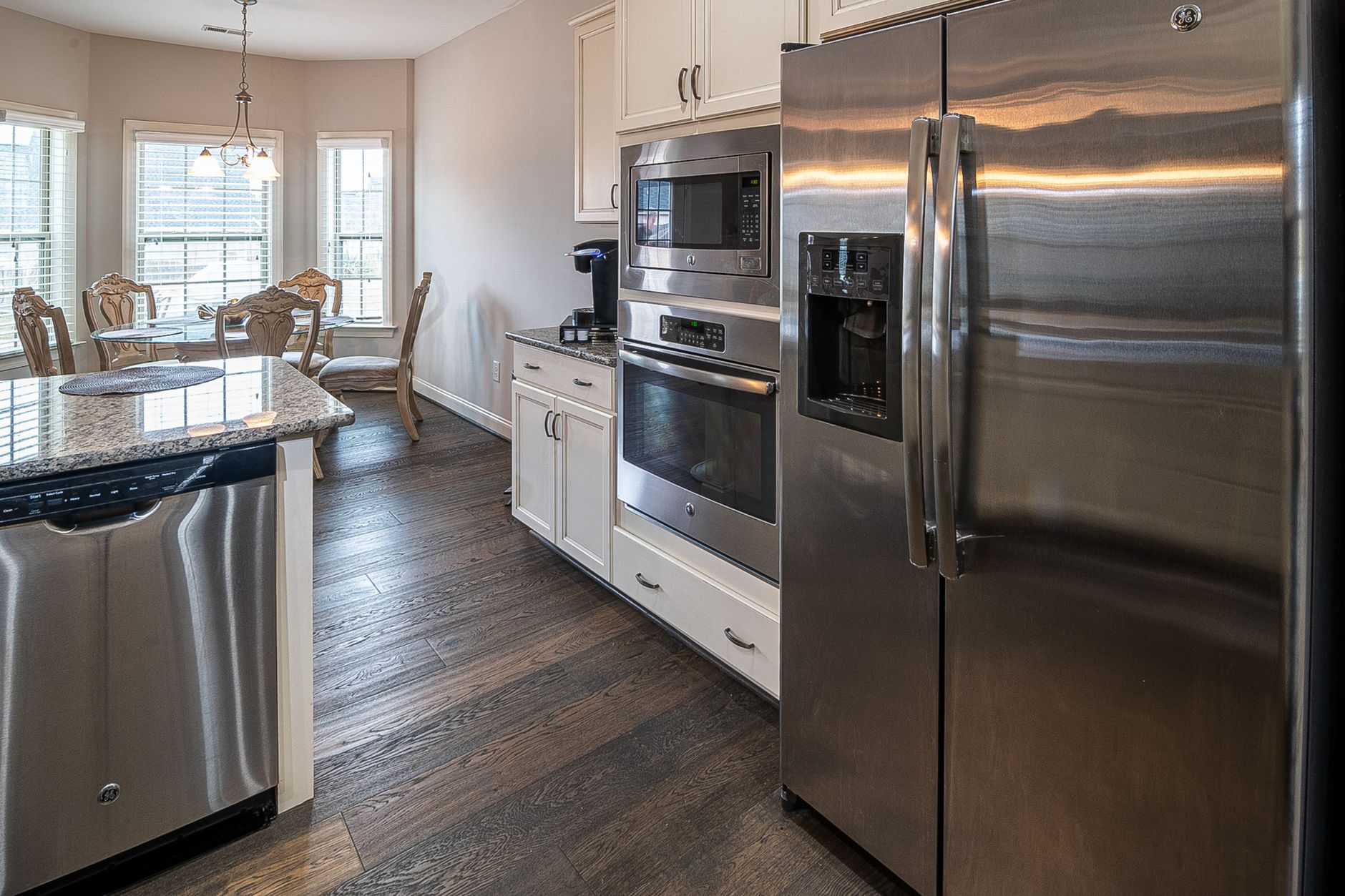
How Do You Calculate the Real Cost of a Home Appliance?
The true cost of an appliance is the sum of the purchase price, energy usage, and expected repair bills over a full ten-year lifespan.
Most consumers focus exclusively on the sticker price, but this approach often leads to higher total expenditure. Over a decade, the electricity consumption of an inefficient refrigerator can exceed the initial cost of the unit. I evaluate every appliance by modelling its ten-year total cost of ownership rather than just the upfront investment.
Why Does Energy Efficiency Matter More Than Purchase Price?
High-efficiency appliances reduce annual utility bills by 20% to 40%, which offsets higher initial prices within three to five years.
Manufacturers often price base-level models low to encourage impulse purchases, but these units frequently lack advanced features like inverter motors or precise sensor technology. An inverter-driven washing machine, for instance, adjusts its power usage to the weight of the load, preventing the wasteful energy spikes seen in older, simpler designs.
- Look for the latest energy label ratings to compare consumption accurately.
- Calculate annual kWh usage multiplied by your local electricity rate.
- Factor in the cost of consumables like specific detergents or water filters.
What Reliability Metrics Should You Look For?
Reliability data from large-scale service reports is the best indicator of longevity, prioritising brands with lower failure rates.
An appliance that requires a costly repair at year five is never a bargain, regardless of its original price tag. I always cross-reference my own testing with industry-standard reliability datasets that track repair frequency by brand. Choosing a machine with a proven track record saves you from the inconvenience of system failures and the expense of parts and labour.
How Do You Select Appliances for Your Specific Workflow?
Choosing appliances requires matching drum capacities, cycle times, and feature sets to your household size and weekly usage patterns.
It is easy to be seduced by the largest capacity or the most buttons, but these often lead to underutilised machines that are less efficient than smaller, perfectly-matched models. A 10kg washing machine running half-empty uses more energy and water per kilogram than a 7kg machine running at full capacity.
How Do You Balance Capacity Against Efficiency?
The most efficient appliance is one that matches your household’s actual output, ensuring full loads are the standard operating mode.
My appliance intelligence hub offers detailed breakdowns of how different drum sizes handle varying loads. If you are a single person or a couple, you rarely need the maximum capacity listed on a family-sized dryer. Always assess whether the machine’s “half-load” or “quick” settings actually scale down their energy consumption appropriately.
Are Smart Features Worth the Additional Investment?
Smart connectivity offers real value only when it provides automated scheduling or remote energy monitoring to manage peak demand.
Many smart features are gimmicks, but remote monitoring can alert you to maintenance needs before they become failures. For example, knowing when a filter needs cleaning on your dryer can extend its lifespan significantly. Consider whether the app interface actually provides actionable data or just unnecessary clutter.
What Should You Know Before Hiring A Tradesman for Installation?
Proper installation is a critical component of appliance efficiency, as incorrect venting or levelling increases wear and energy use.
A dryer that isn’t levelled properly will cause the drum to work harder, increasing electricity consumption and noise. Similarly, poor venting in a laundry space can double drying times, wasting both your time and energy. Always verify that your installer follows the manufacturer’s clearance and ventilation requirements to the millimetre.
Why Does Proper Levelling Prevent Future Repairs?
Unbalanced appliances suffer from accelerated bearing wear and vibration damage that leads to premature failure and costly repairs.
Using a spirit level during installation is non-negotiable. If a machine vibrates excessively, it isn’t just a noise issue; it is a mechanical stress issue. Over time, this stress compromises the internal suspension system, leading to leaks or motor issues that are often not covered by standard warranties.
How Can You Reduce Standby Power Consumption?
Standby power accounts for 5% to 10% of total household energy use, which can be mitigated with smart plugs and power management.
Many appliances, from microwaves to high-end coffee machines, continue to pull electricity while the display is active. Using a smart power strip to kill power to your home office or entertainment suite when not in use is a quick, high-impact change. Check our energy efficiency guide for more on identifying vampire power sources.
Frequently Asked Questions About Home Appliances
-
Is it better to repair or replace an old appliance?
If the repair cost exceeds 50% of a new equivalent model’s price, replacement is generally the more financial sound decision.
-
Do I really need to use expensive specialised detergents?
Modern machines are calibrated for specific concentrations; using the right dose prevents residue buildup and motor strain.
-
How long should I expect my major appliances to last?
With regular maintenance, you should expect 10–14 years for washers and 15–20 years for refrigerators before major replacement.
-
Can I install heavy appliances myself?
For gas units or complex plumbing, always use a professional to ensure safety and maintain the validity of your manufacturer warranty.
Common inquiries regarding appliance longevity, repair costs, and efficiency ratings for modern 2026 household standards.
For more deep-dives into specific appliance categories, I recommend reviewing my kitchen workflow systems to see how these units integrate into your daily life. Making these decisions with data, rather than just aesthetics, is the foundation of a well-run home.