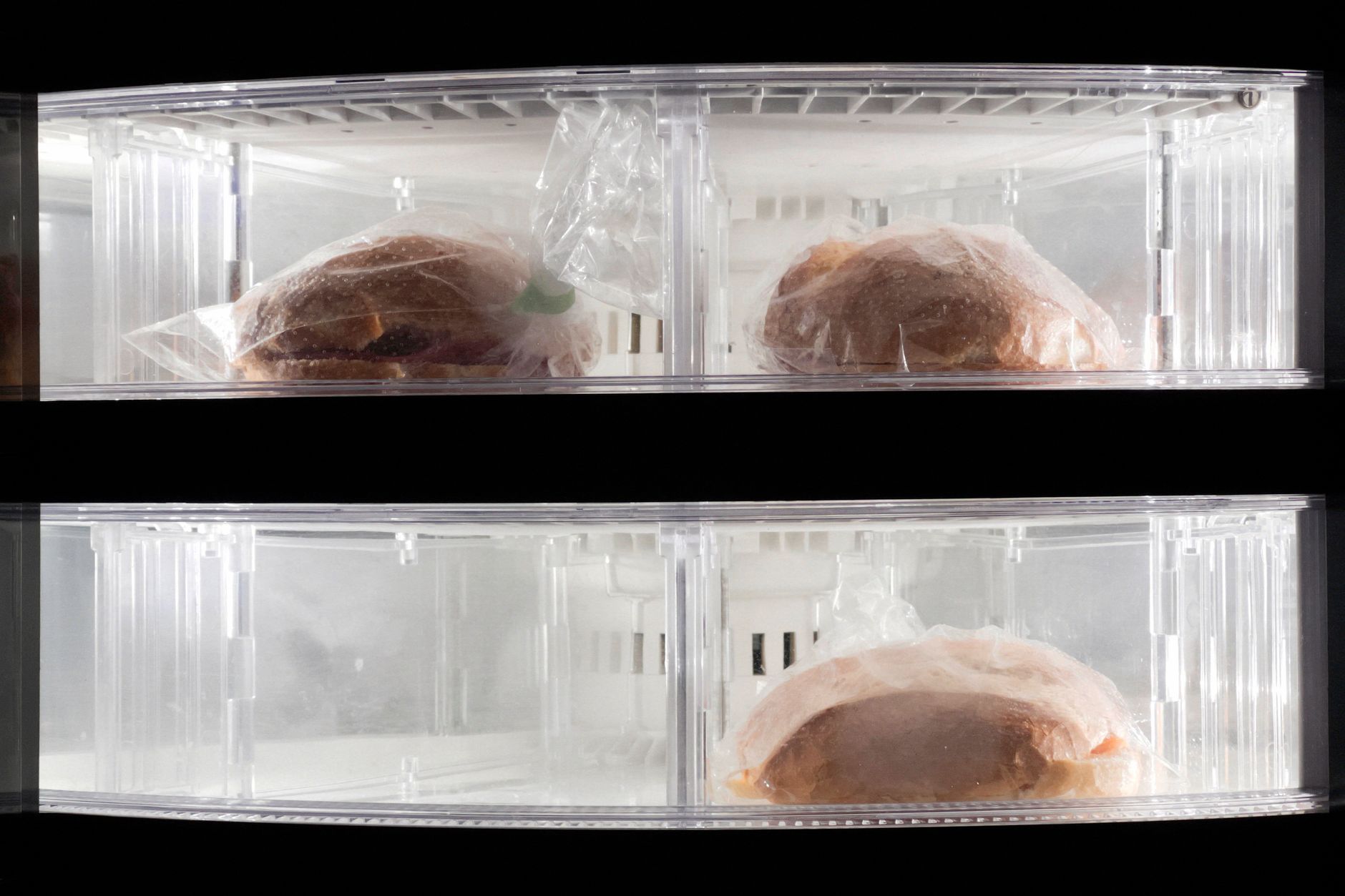
A fridge freezer is the most significant electricity consumer in the average kitchen because it operates continuously, unlike ovens or dishwashers that cycle periodically. Selecting the correct model involves weighing physical capacity against energy efficiency ratings, as a poorly chosen unit can add hundreds of dollars to your utility bills over its ten-year lifespan.
⚡ In a Rush? Key Takeaways
- Modern A-rated fridge freezers use 100–200 kWh annually versus 500 kWh for older units.
- Total cost of ownership over ten years often exceeds the initial purchase price.
- Selecting the right size prevents energy waste from cooling unnecessary empty space.
- Proper maintenance of condenser coils improves cooling efficiency by roughly 15%.
- ✅ Best value: prioritize high energy ratings over cosmetic features like door ice dispensers.
How Do You Calculate the True Cost of a Fridge Freezer?
The true cost of a fridge freezer combines the upfront retail price with the cumulative electricity consumption over a ten-year cycle.
Why is the energy label the most important specification?
The EU and US energy labels reflect actual consumption under standardized conditions and directly predict your annual utility expenditure.
When I test appliances, I prioritize the annual kilowatt-hour (kWh) figure on the energy label above all other marketing claims. A machine that is cheaper to buy but has a lower energy rating will almost always cost more by the time you reach year three of ownership.
Current energy labels account for internal volume and cooling technology. If you choose an appliance that is one bracket higher in efficiency, you are effectively paying for the unit’s longevity through reduced energy overhead.
- Look for “A” or “B” ratings on the modern energy scale.
- Multiply annual kWh by your local rate for a true annual cost.
- Compare the total ten-year energy cost before deciding on a budget model.
What role does unit capacity play in energy efficiency?
Every extra cubic foot of refrigerated space requires additional energy to maintain, regardless of whether the shelves are full or empty.
One of the most common mistakes is purchasing a larger fridge freezer than your household requires. Every cubic foot of air inside that appliance must be cooled, and larger compressors consume more power to maintain temperature consistency.
If you live in a two-person household, an 18-cubic-foot model is significantly more efficient than a 25-cubic-foot “family” size unit. Think about your actual shopping habits rather than the maximum capacity of the appliance.
| Household Size | Recommended Capacity | Energy Impact |
|---|---|---|
| 1-2 People | 12-16 cu. ft. | Lowest |
| 3-4 People | 18-22 cu. ft. | Moderate |
| 5+ People | 25+ cu. ft. | High |
Which Cooling Technology Is Actually More Efficient?
Inverter compressors and frost-free systems provide superior temperature regulation and energy savings compared to traditional designs.
How do inverter compressors reduce power consumption?
Inverter technology allows the compressor to adjust its speed based on cooling demand rather than simply toggling between on and off.
Older fridge freezers run their motors at full capacity until the target temperature is reached, then stop completely. This “start-stop” cycle creates significant energy spikes every time the compressor kicks in.
Inverter compressors run continuously at a lower, steady speed. This prevents the frequent surges that drive up your home’s total electricity consumption. You can learn more about managing these appliance energy loads in our dedicated performance guide.
Are frost-free systems worth the energy trade-off?
While frost-free systems use slightly more energy than manual defrost models, they maintain consistent efficiency by preventing ice buildup.
Ice accumulation on cooling coils acts as an insulator, forcing the motor to work harder to pull heat out of the fridge. Frost-free systems use automated heaters to periodically clear this build-up, which keeps the appliance operating at its rated efficiency.
For the average homeowner, the convenience of a frost-free unit is matched by the energy stability it provides. Just ensure the door seals are airtight, as gaps allow moisture in that causes the system to run excessively.
How Should You Maintain Your Fridge Freezer for Longevity?
Routine maintenance tasks like vacuuming condenser coils and checking door seals prevent the motor from overworking and failing early.
Why should you clean the condenser coils twice a year?
Dust and pet hair buildup on the rear condenser coils prevents heat dissipation, forcing the appliance motor to work twice as hard.
Think of your fridge freezer’s condenser coils like a radiator. If they are clogged with dust, they cannot release the heat extracted from inside the fridge effectively.
A quick vacuuming session every six months can lower your appliance’s energy draw by nearly 15%. This is a standard part of our home maintenance checklists for appliance health.
How can you test if your door seals are leaking air?
A simple paper test determines if your fridge seals have lost their integrity and are allowing cold air to leak from the cabinet.
Place a piece of paper in the door, close it, and try to pull it out. If it slides out with zero resistance, your seal is compromised.
- Check all four sides of the door seal.
- Replace damaged gaskets immediately to prevent cooling loss.
- Keep the hinge area clean to ensure a flush seal.
Frequently Asked Questions
Should I choose a side-by-side or bottom-freezer model?
Bottom-freezer models are generally more efficient because they require less cold air movement to maintain their target temperatures.
How long should a modern fridge freezer last?
A well-maintained fridge freezer should provide 12 to 15 years of reliable service before major component degradation begins.
Does the fridge location impact its energy usage?
Yes, placing a fridge near a heat source like a radiator or oven forces the compressor to run more frequently to cool the interior.
Is it worth repairing an old fridge freezer?
If the appliance is over 10 years old, the cost of a major repair often exceeds the value of upgrading to a high-efficiency unit.