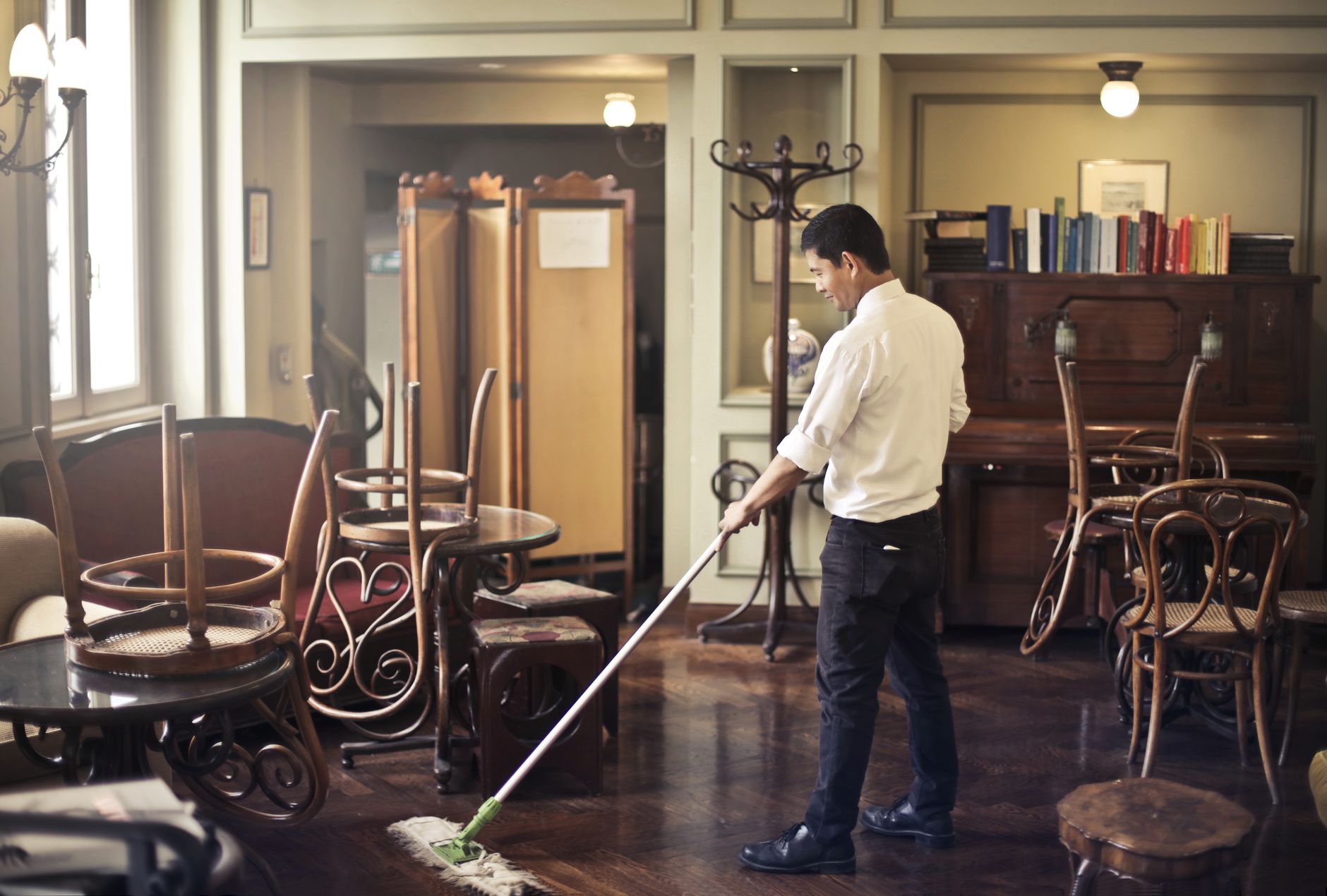
Steam mops are highly effective tools for sanitising sealed hard floors using only water, eliminating the need for chemical detergents and expensive refill cartridges. By heating water to over 100°C, they lift dirt and grease while simultaneously killing 99.9% of common household bacteria.
⚡ In a Rush? Key Takeaways
- A standard steam mop uses 1.2–1.5 kWh of electricity per hour of cleaning.
- Steam cleaning reduces household chemical spending by roughly $40–60 every year.
- Heating time typically takes 15–30 seconds before the unit produces usable steam.
- Sealed hardwood, tile, and vinyl are safe, but wax-finish wood can be damaged.
- ✅ Use steam mops for daily sanitation, but avoid them on unsealed floor surfaces.
Are Steam Mops Actually More Efficient Than Traditional Mopping?
Steam mops save time by eliminating bucket preparation, rinsing, and wringing while sanitising floors faster than a traditional mop.
How much time do you save using a steam mop?
Steam mops save roughly 10–15 minutes per cleaning session by removing the need for filling buckets and manual wringing of mop heads.
Traditional mopping requires managing dirty water, which often just spreads grime around rather than removing it. A steam mop uses a clean microfibre pad that traps debris, ensuring you aren’t dragging filth back onto a freshly cleaned surface.
- Eliminates heavy lifting of water-filled buckets.
- Floors dry in seconds rather than minutes, reducing slip hazards.
- No chemical residue left on surfaces for pets or children to track.
What is the monthly energy cost of running a steam mop?
Running a steam mop for two hours per month adds roughly $0.40–$0.60 to your electricity bill at average national power rates.
Because you only use the mop for quick sessions, the total energy consumption is remarkably low. If you compare this to the hidden costs of purchasing specialty floor cleaners or replacement pads, the steam mop is a clear financial winner.
How does steam impact the lifespan of your floor finishes?
Steam mops are safe for sealed polyurethane hardwood, ceramic tile, and luxury vinyl, but they can degrade wax-finished timber floors.
High heat can cause delamination in low-quality laminate if steam enters the seams. I recommend testing a small, inconspicuous area before covering your entire home to ensure your floor’s sealant is fully intact.
Which Floors Are Safe for Steam Cleaning?
Sealed stone, ceramic tile, and properly finished hardwood are safe for steam, while laminate and carpet require specific attachments.
Can you use a steam mop on hardwood floors?
Yes, you can use steam on sealed hardwood floors provided you use a low-steam setting to prevent moisture accumulation in the gaps.
Moisture is the enemy of wood, so never leave a stationary steam mop on one spot. Keep the mop moving at all times to ensure the steam is doing the work without saturating the timber beneath the finish.
| Floor Type | Safe? | Recommendation |
|---|---|---|
| Ceramic Tile | Yes | High steam |
| Sealed Hardwood | Yes | Low steam |
| Laminate | Proceed with Caution | Use low steam |
| Waxed Wood | No | Avoid entirely |
What are the risks of using steam on laminate flooring?
Laminate flooring is prone to swelling at the joints if steam penetrates the protective layer during excessive or prolonged exposure.
Always verify the manufacturer’s warranty for your specific flooring. If the seams show any signs of separation, water and steam can get trapped, leading to permanent damage that is often not covered by home warranties.
How do you effectively clean carpet with a steam mop?
You must use a carpet glider attachment to prevent the microfibre pad from dragging or creating too much friction on rug fibres.
Steam is excellent for refreshing rugs and removing surface allergens. However, remember this is a surface treatment, not a deep-extraction cleaning process like you would get from a professional carpet cleaner.
Frequently Asked Questions
This FAQ section covers the most common concerns regarding steam mop maintenance, safety, and typical usage in modern households.
Do steam mops disinfect surfaces effectively?
Yes, steam at 100°C effectively eliminates 99.9% of household bacteria and dust mites without needing harsh chemical cleaners.
How often should you wash the microfibre pads?
You should wash pads after every use in a washing machine at 40°C to ensure you are not cross-contaminating your home floors.
Is a steam mop suitable for cleaning windows?
Some models feature handheld attachments for windows, but check that your mop includes a squeegee tool to prevent streaking.
How long do steam mop pads usually last?
High-quality microfibre pads typically last for 50–100 wash cycles before the fibres degrade and lose their scrubbing efficiency.
Choosing the right cleaning tools is a part of maintaining an efficient home system. If you are interested in further reducing your energy consumption, you might find our guide on appliance running costs helpful for your next purchase. — Greta Michaud, Home Appliance Efficiency Researcher
How do you descale and maintain the water tank of a steam mop?
Regular descaling prevents mineral buildup that can clog the steam nozzle and reduce performance.
Use a mixture of equal parts white vinegar and water, fill the tank, run the mop on a low‑steam setting for a few minutes, then let it sit for 15‑20 minutes before rinsing thoroughly with clean water. For models with a removable tank, you can soak the tank in the vinegar solution instead.
After descaling, run a couple of cycles with plain water to flush out any vinegar residue, and wipe the exterior with a damp cloth. Repeat this process every 1–3 months depending on your water hardness.