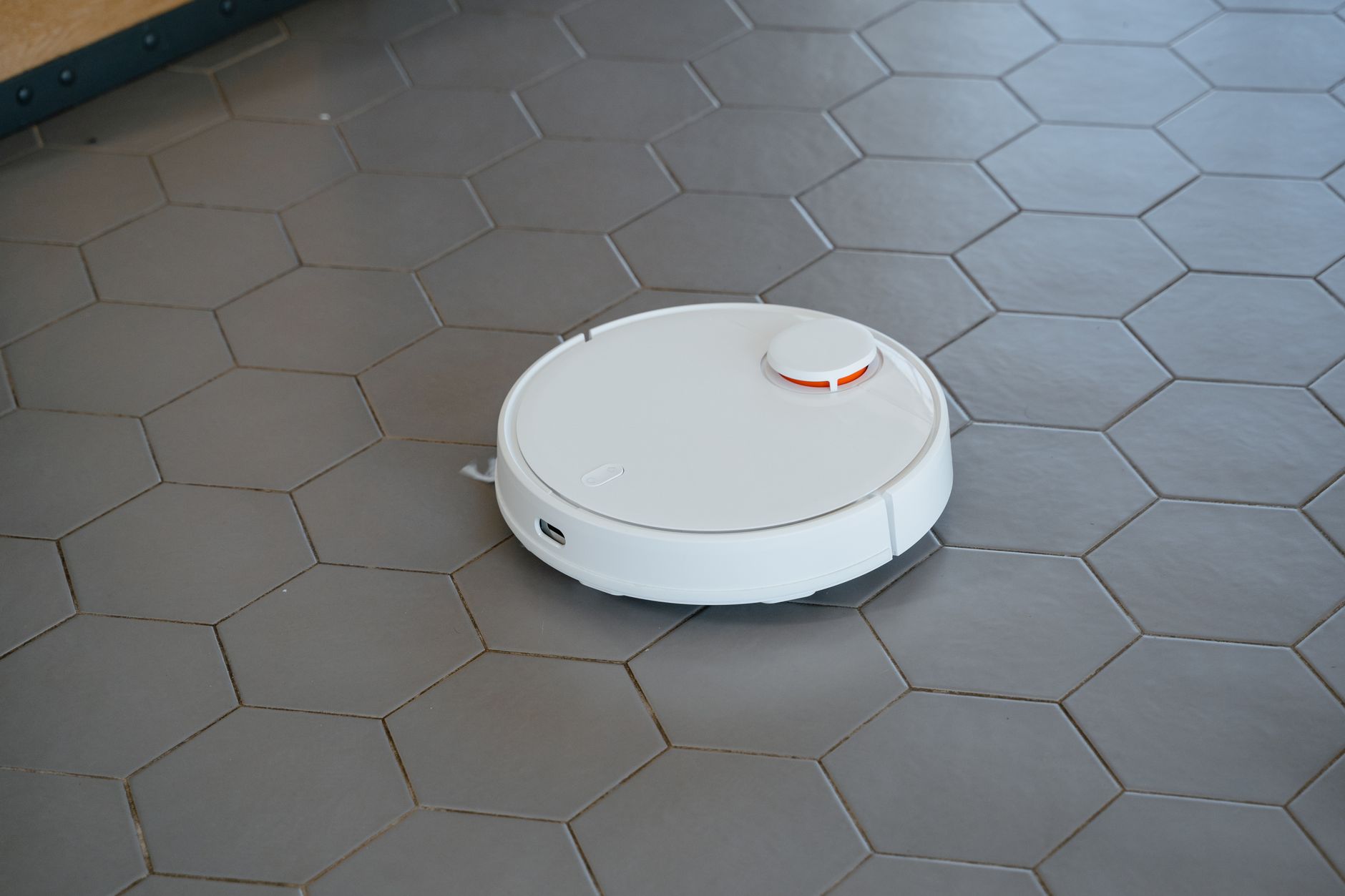
Robot vacuums are genuinely worth the investment for households that need daily floor maintenance, but they rarely replace a traditional manual vacuum cleaner. They effectively automate the removal of surface dust and pet hair, reducing the need for deep cleaning to once every two weeks rather than twice a week.
⚡ In a Rush? Key Takeaways
- Entry-level models cost $200–$400, while premium self-emptying units reach $800–$1,200.
- Automated schedules can reduce your manual cleaning time by 70-80% each week.
- Robot vacuums consume roughly 0.1–0.3 kWh per cleaning session.
- Most units require a $20–$40 filter and brush replacement every six months.
- Verdict: Buy if you have pets or high-traffic areas; skip if you have cluttered floors.
Are Robot Vacuums Efficient for Daily Maintenance?
Robot vacuums are highly efficient for daily maintenance because they maintain a constant baseline of cleanliness without any user effort.
How do they handle different floor types?
Most modern models use sensors to adjust suction power automatically between hardwood, tile, and low-pile carpets for efficiency.
The current generation of appliance intelligence allows units to detect floor changes. When the sensor detects a transition from tile to carpet, the motor increases suction to draw debris from deep within the fibers.
However, they often struggle with thick, high-pile rugs where the main brush can become entangled. You should inspect the brush roll weekly if your home has many transitions.
- Hardwood and laminate: Excellent coverage with low suction settings.
- Low-pile carpet: Requires high-suction mode for deep cleaning.
- High-pile rugs: Often causes errors or requires manual avoidance.
- Tile grout: Best when paired with a mop-integrated robot unit.
What is the monthly electricity cost to run one?
Running a robot vacuum daily costs roughly $0.50 to $1.20 per month depending on your local residential electricity rate.
Because the batteries are small, typically under 50Wh, the energy draw during a full cycle is negligible. The charging base is the only component that draws power continuously, though this is usually under 5W.
Comparing this to a standard upright vacuum, which pulls 1,200W, the robot is significantly cheaper over the long term. You essentially trade manual effort for a very low, consistent energy cost.
What are the Hidden Costs of Owning a Robot Vacuum?
Hidden costs include specialized filter replacements, side brush wear, and potential battery replacement every three to four years.
Are the proprietary replacement parts expensive?
Manufacturers often require proprietary bags, filters, and brushes, which average $40 to $70 per year in total maintenance supplies.
Before you buy, look at the cost of the replacement kits provided by the manufacturer. If a six-month pack costs $50, you should factor that into your 5-year total cost of ownership model.
Do not wait until parts fail. Replacing a clogged filter every three months preserves the motor’s lifespan by reducing strain.
How long do the internal batteries actually last?
Lithium-ion batteries in robot vacuums usually degrade after 400 to 600 cycles, typically requiring replacement after three years.
If your robot begins to return to the dock mid-cycle, the battery is likely losing capacity. Replacing the pack is usually a DIY task that costs $40–$80.
| Item | Frequency | Est. Cost |
|---|---|---|
| HEPA Filter | 3 Months | $15 |
| Side Brushes | 6 Months | $10 |
| Self-Empty Bags | 1 Month | $5 |
How Should You Decide Between Models?
Choose based on floor plan complexity, pet hair volume, and whether you prefer manual emptying or a full self-emptying base.
Is a self-emptying base necessary for efficiency?
Self-emptying bases are worth the premium because they allow the unit to clean for weeks at a time without manual bin intervention.
If you have pets that shed, a standard bin will fill up in one room. A self-emptying base acts as a temporary storage vault, preventing the robot from stopping early.
This convenience reduces the chance that you will simply stop using the vacuum because it becomes an annoyance. It is a significant workflow upgrade for the efficient home.
Does the mapping technology improve cleaning speed?
Advanced LiDAR-based mapping units clean 40% faster than older bump-and-turn models by navigating rooms in logical, parallel lines.
Older models often repeat areas or skip corners entirely, wasting energy. Investing in a unit with laser navigation ensures the floor is covered systematically without overlap.
Frequently Asked Questions
Do robot vacuums replace a regular vacuum cleaner?
No, they act as maintenance tools that delay the need for deep manual cleaning but cannot replace the power of an upright vacuum.
Can I leave a robot vacuum unattended?
Yes, modern models with LiDAR and obstacle avoidance can navigate safely, provided you clear cords and small items from the floor.
Why does my robot vacuum keep getting stuck?
Stuck units are usually caused by loose cables, thick rug tassels, or light furniture legs that the sensors fail to detect properly.
Are they better than stick vacuums?
They are better for daily maintenance, but stick vacuums are necessary for upholstery, stairs, and tight corners robots cannot reach.
Conclusion
Robot vacuums are a highly effective tool for automating the most tedious aspect of home maintenance, provided you have a floor plan that accommodates them. While they do not eliminate the need for occasional deep cleaning, they save significant manual labor and improve daily air quality, especially in homes with pets. Focus your budget on units with reliable mapping and self-emptying capabilities for the best long-term value.