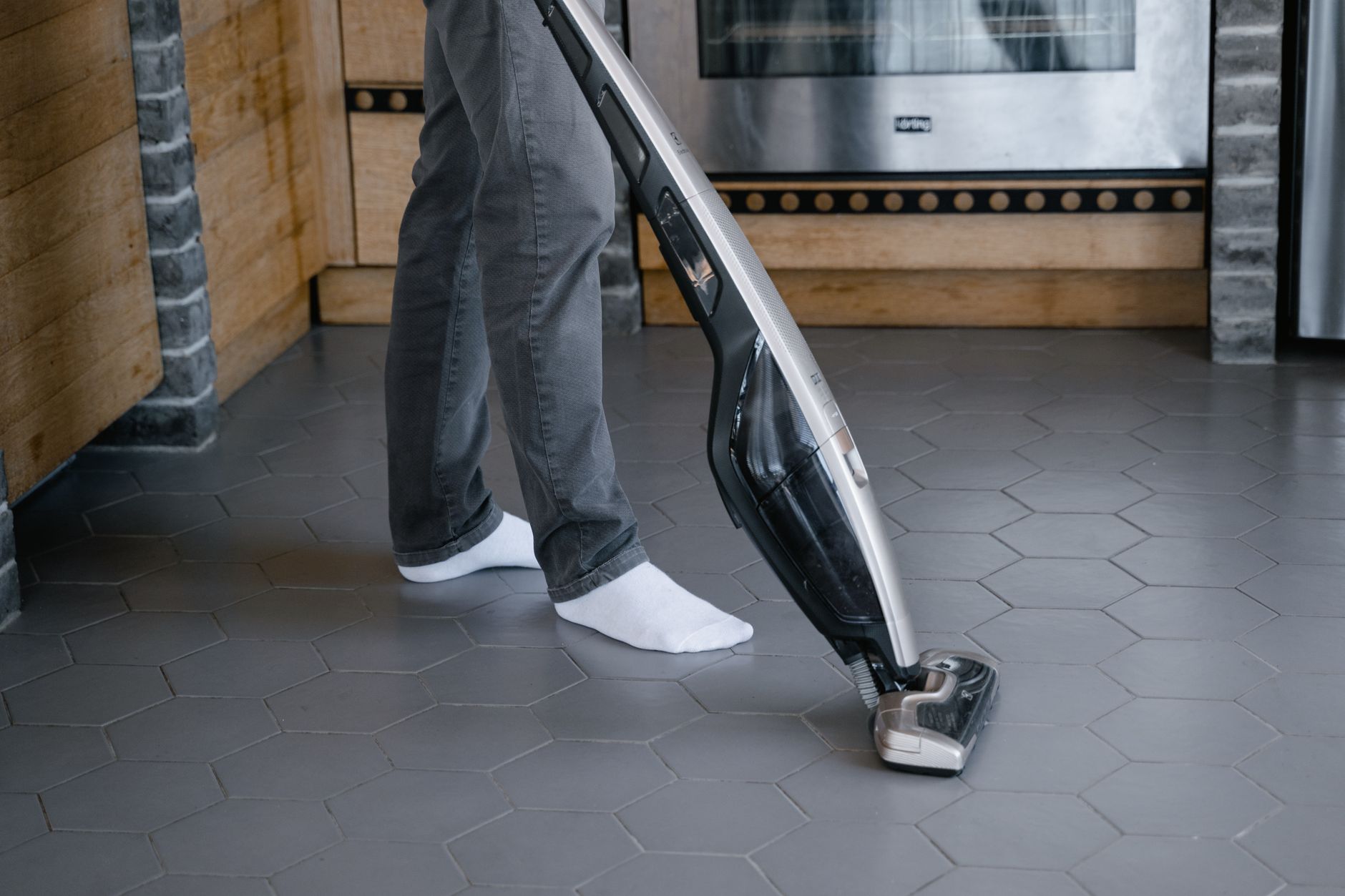
Upright vacuums remain the most energy-efficient choice for deep-cleaning carpets and large floor areas due to their high-airflow motors and larger dust capacity. While cordless stick models have surged in popularity, they often struggle with the sustained suction requirements of high-pile carpets found in many family homes.
⚡ In a Rush? Key Takeaways
- Upright vacuums typically draw 800W to 1200W, offering superior deep-cleaning lift.
- HEPA-sealed uprights capture 99.97% of particulates down to 0.3 microns.
- Corded operation eliminates battery degradation costs, saving ~$150 every 3-4 years.
- ✅ For homes with over 70% carpet coverage, a corded upright is the most efficient pick.
Why Are Upright Vacuums Still the Gold Standard for Carpet?
Upright models use high-amperage motors to generate superior airflow and brush-roll agitation, essential for lifting embedded carpet grit.
How Do Upright Motors Handle Deep-Pile Carpets?
Upright motors generate sustained static pressure that allows them to lift heavy debris from deep carpet fibers better than stick units.
The mechanics of an upright vacuum are designed for consistent power delivery. Unlike modern appliance designs that prioritise weight reduction, an upright uses a full-sized motor to drive the air turbine. This constant draw ensures the machine doesn’t lose suction as the bin fills or the carpet texture changes.
- Constant power delivery via corded connection
- High-torque brush rolls for debris agitation
- Reduced risk of motor strain on thick rugs
- Consistent airflow regardless of battery state
Do Upright Vacuums Cost More to Run Long-Term?
Uprights generally have lower long-term costs because they avoid the frequent battery replacement cycles inherent in cordless models.
When assessing total cost of ownership, the absence of lithium-ion batteries is a significant advantage. A cordless battery replacement often costs between $100 and $200 every few years, which offsets the initial lower price of many mid-range stick cleaners. If you are focused on home efficiency, the corded upright is a predictable, lower-maintenance tool.
How Does Dust Capacity Affect Efficiency?
Larger dust canisters reduce the frequency of manual emptying, saving time and preventing the filter clogging that lowers suction power.
An upright model typically holds 2 to 3 liters of debris. In comparison, most stick vacuums struggle with 0.5 to 0.8 liters. Frequent emptying not only wastes time but increases the chance of fine dust escaping back into your home environment during disposal.
How Important Is Height Adjustment for Different Carpet Piles?
Proper height adjustment ensures the brush roll contacts the carpet without excessive strain, optimizing suction and preventing damage.
Most upright vacuums feature a manual or automatic height‑adjustment knob that raises or lowers the cleaning head. Setting it too low on thick, plush carpets can cause the brush roll to dig in, overworking the motor and reducing airflow; setting it too high on low‑pile or bare floors leaves the brush roll ineffective, leaving debris behind. Matching the height to the pile depth allows the bristles to agitate fibers just enough to release trapped dirt while maintaining optimal air flow.
Some newer models include sensor‑based auto‑adjust systems that detect carpet resistance and self‑adjust in real time. This feature can be especially useful in homes with mixed flooring, as it eliminates the guesswork and helps maintain consistent cleaning performance across room transitions.
What Maintenance Do Upright Vacuums Require for Longevity?
Regular belt replacement and filter cleaning ensure your upright vacuum maintains its suction efficiency for over ten years of active use.
How Often Should You Change Upright Vacuum Belts?
Inspect the drive belt every six months and replace it annually to ensure the brush roll spins at the manufacturer-recommended speed.
The belt transfers power from the motor to the brush roll. As the rubber stretches over time, the brush roll loses its ability to agitate carpet fibers, resulting in poor cleaning performance even if suction remains high. Keeping a spare belt handy is a standard part of effective home maintenance protocols.
Can You Wash Upright Vacuum Filters?
Most modern upright filters are washable, but they must be completely dry for 24 hours before reinstallation to prevent motor mildew.
- Rinse pleated filters under cool, low-pressure water
- Avoid harsh detergents that degrade filter membranes
- Air-dry in a well-ventilated area for at least 24 hours
- Check pre-motor filters for buildup every three uses
What Are the Signs of a Failing Suction Seal?
Loss of suction power, whistling noises, or visible debris trails on hard floors indicate a degraded seal in the hose or bin assembly.
Check the hose connection points and bin gaskets regularly. A small tear in the rubber seal can cause a massive drop in vacuum efficiency, forcing the motor to work harder and increasing your energy bill over time.
Frequently Asked Questions About Upright Vacuums
Find quick answers to common questions regarding the efficiency, lifespan, and overall utility of modern upright vacuum cleaners in 2026.
Are upright vacuums better for pet owners?
Yes, the high-torque brush rolls and larger filtration systems are generally more effective at trapping pet dander and hair in carpets.
Can I use an upright vacuum on hardwood floors?
Look for models with a brush-roll shut-off switch to prevent scratching delicate hardwood surfaces while maintaining necessary suction.
How heavy is an average upright vacuum?
Modern full-sized uprights weigh between 14 and 18 pounds, while “lightweight” models are engineered to sit between 10 and 12 pounds.
Does the cord length affect cleaning efficiency?
Yes, a cord length of at least 25 feet minimizes the need to move plug points, significantly reducing your total cleaning time per room.