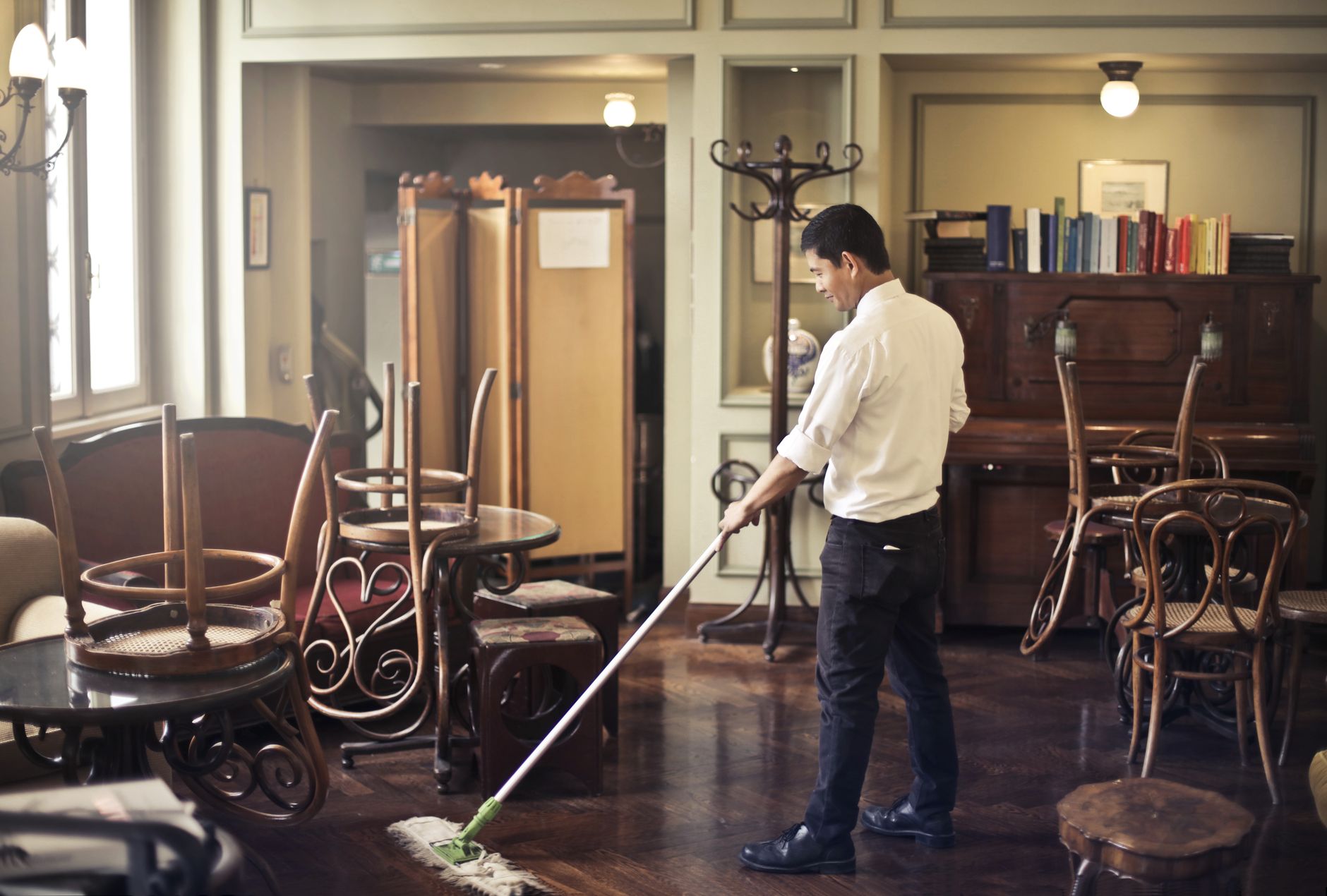
A steam mop is an efficient, chemical-free tool for cleaning sealed hard floors that uses high-temperature steam to lift dirt and sanitize surfaces. By eliminating the need for detergents and reducing water usage significantly, these appliances offer a sustainable approach to routine floor maintenance.
⚡ In a Rush? Key Takeaways
- Steam mops use roughly 80% less water per cleaning cycle than a standard bucket and mop.
- Heating the water typically requires 1,000–1,500 watts, costing about $0.05 per 20-minute session.
- Sanitizing properties are effective on sealed floors when steam remains in contact for 10–15 seconds.
- ✅ Best value: Choose a corded model with a removable water tank for easier daily maintenance.
Is a Steam Mop Better Than a Traditional Mop?
Steam mops provide superior sanitization via heat and require far less physical effort than traditional mopping with buckets.
Does steam mopping actually sanitize your floors?
Yes, steam mops kill 99.9% of bacteria and common household pathogens when the mop head is held on a spot for at least 15 seconds.
Many users overlook the required contact time when cleaning. Simply gliding the mop across the floor will pick up surface debris but won’t achieve full thermal sanitization.
You must keep the unit stationary over high-traffic areas to effectively target bacteria. Always check if your flooring is sealed, as unsealed wood will warp under prolonged exposure to moisture.
How much water and electricity does a steam mop use?
An average steam mop uses about 300ml of water per tank and consumes 1.2kWh per hour, keeping operational costs under six cents daily.
This is significantly more efficient than filling a 5-gallon bucket for a single room. Because the water is recycled into vapour, you eliminate the waste associated with disposing of dirty chemical solutions.
- Standard tank capacity: 300ml to 500ml
- Typical heating time: 30 to 60 seconds
- Power draw: 1,000 to 1,500 watts
- Average session length: 15 to 20 minutes
Which Floor Types Can Safely Use Steam?
Steam mops are ideal for ceramic tile, sealed hardwood, vinyl, and linoleum, but they must be avoided on any porous stone or wax finishes.
Can you use a steam mop on luxury vinyl plank?
Yes, you can use a steam mop on luxury vinyl plank provided it is a high-quality, fully sealed floor and you use a low-steam setting.
If your vinyl planks have visible gaps, steam can penetrate the subfloor and cause adhesive failure over time. I always recommend testing a small, hidden corner first.
Consistent heat management is key to maintaining the finish. If you aren’t sure about your flooring’s rating, refer to my guide on long-term home surface care for more details.
Why should you avoid steam on hardwood floors?
Unsealed hardwood or floors with damaged polyurethane finishes will absorb moisture from the steam, causing the wood to swell and warp.
Modern pre-finished hardwood is usually safe, but custom-stained or site-finished floors are often too porous. If the finish is peeling, the steam will accelerate the damage.
Proper maintenance of these floors often relies on dry methods rather than liquid cleaners. You might find my tips on efficient floor organization and maintenance useful for managing different room types.
What Features Justify the Price of a Steam Mop?
Premium models offer adjustable steam control, swivel heads, and lift-away handheld units that extend utility across many surfaces.
Are cordless steam mops worth the higher cost?
Cordless models often lack the raw power needed for sustained steam output, making them better suited for quick touch-ups than deep cleaning.
Battery technology is still catching up to the heavy energy demand of heating water on the fly. Most homeowners find that a corded unit is more reliable for cleaning the whole house.
For those living in smaller spaces, efficiency matters. See my recent review on optimizing your cleaning systems to see if a compact corded unit fits your workflow better.
Is a lift-away handheld steam cleaner useful?
Lift-away features are highly functional for cleaning grout, upholstery, and kitchen surfaces where a standard mop head cannot fit easily.
| Feature | Value for Money |
|---|---|
| Swivel head | High (improves ergonomics) |
| Adjustable steam | High (protects delicate floors) |
| Cordless power | Low (limited runtime) |
Frequently Asked Questions
Do I need to vacuum before using a steam mop?
Yes, you must vacuum or sweep first, as a steam mop is designed to sanitize clean surfaces, not to collect loose dirt or heavy pet hair.
How often should I wash the steam mop pads?
You should wash the microfibre pads after every use in hot water without fabric softener to maintain their absorbency and cleaning power.
Can I add scented oils to my steam mop tank?
Never add oils, soaps, or chemicals to the water tank, as these can clog the boiler and permanently damage the pump or heating element.
How long do steam mop pads usually last?
Microfibre pads typically last for 30 to 50 wash cycles before the fibres begin to mat and lose their ability to lift grime effectively.
In summary, the value of a steam mop lies in its ability to streamline your cleaning process while removing the recurring cost of cleaning fluids. For households with high-traffic sealed floors, the investment pays for itself through time saved and the reduced need for secondary cleaning products. Always prioritise units with adjustable settings to ensure your flooring longevity remains a priority over speed.