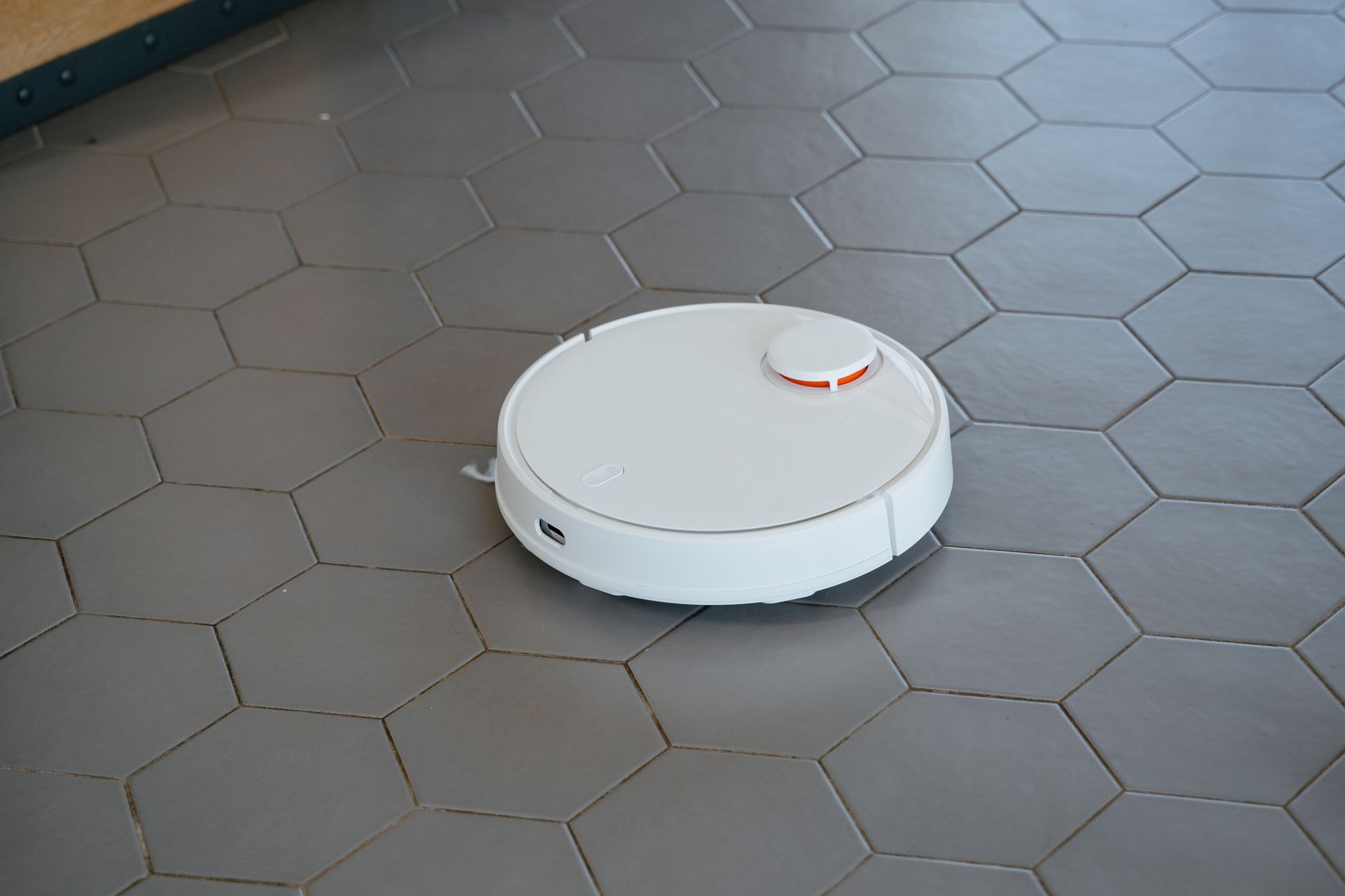
Robot vacuums are worth the investment if you have consistent floor layouts, as they reduce the time spent on daily maintenance by an average of 15 to 20 minutes per day. While they do not eliminate the need for manual deep cleaning, they effectively manage dust and pet hair accumulation between major vacuuming sessions.
⚡ In a Rush? Key Takeaways
- ⚡ In a Rush? Key Takeaways
- Most high-end models now use 40-60% less energy than standard upright vacuums.
- Maintenance tasks like emptying bins add roughly 5-10 minutes to weekly chores.
- Self-emptying bases can hold up to 60 days of dust, saving significant manual labor.
- Robot vacuums replace daily surface maintenance; they do not replace deep carpet cleaning.
- ✅ Best value: Choose a mid-range model with LiDAR mapping rather than premium features.
How Much Do Robot Vacuums Actually Cost to Operate?
Operating a robot vacuum typically costs less than $10 per year in electricity, though replacement parts like filters and brushes add cost.
What is the annual energy consumption of a robot vacuum?
Most modern robot vacuums consume between 15 and 30 kWh per year depending on usage frequency, totaling less than $5 in electricity costs.
When you account for the electricity used by the charging base and the actual cleaning cycles, the energy footprint is remarkably small. Most units stay in a low-power standby mode when not actively roaming your floors.
- Standard daily cleaning cycle: 0.05 kWh
- Weekly standby draw: 0.1 kWh
- Average annual energy cost at $0.16/kWh: $3.80
What should you budget for routine part replacements?
Plan to spend $40 to $80 annually on consumables including high-efficiency filters, side brushes, and the main roller brush mechanism.
While the electricity is inexpensive, the maintenance parts keep the unit operating efficiently. Failing to replace filters regularly can strain the motor and lead to premature home appliance failure.
- HEPA filters: Replace every 2-3 months
- Side brushes: Replace every 6 months
- Main rollers: Replace every 6-12 months
Which Robot Vacuum Features Provide Real Utility?
LiDAR mapping and self-emptying docks offer the highest return on investment by minimizing user intervention and navigation errors.
Is LiDAR mapping essential for efficient cleaning?
LiDAR technology creates precise home maps that reduce cleaning time by 30% and prevent the unit from getting stuck in dark rooms.
Older models that rely on random bumping patterns often waste time covering the same areas repeatedly. Intelligent mapping ensures your kitchen workflow isn’t interrupted by a robot stuck under a stool.
- Systematic coverage of all floor zones
- Ability to set no-go zones via mobile apps
- Efficient navigation around chair legs
Do self-emptying bases justify the price premium?
Self-emptying bases increase device cost by $150–$300 but save users approximately 50 hours of manual bin maintenance over a five-year period.
If you have pets or a large home, this feature is the single most significant factor in whether you actually keep using the device. It turns a daily chore into a bi-monthly check.
How noisy are robot vacuums and should you worry about it?
Most robot vacuums operate between 55 and 70 decibels, comparable to a conversation or a dishwasher, with quiet modes dropping to ~50 dB.
Noise level matters if you plan to run the vacuum while working from home, during nighttime, or around noise‑sensitive pets. Models equipped with brushless motors, rubberized wheels, and optimized airflow tend to stay at the lower end of the range, while stronger suction modes can push toward 70 dB. Checking the dB rating in the specs and scheduling cleaning for off‑hours can mitigate disturbance.
How Often Should You Expect to Replace Your Robot Vacuum?
Expect a lifespan of 4 to 6 years for most mid-to-high-tier units, depending on battery degradation and frequency of heavy debris intake.
How does battery life affect total ownership costs?
Lithium-ion batteries typically lose 20% of their capacity after 300 to 500 charge cycles, necessitating a replacement at year four or five.
Battery replacements generally cost between $50 and $100. Always check if the manufacturer offers user-replaceable battery packs before purchasing your device.
Can regular maintenance extend the machine’s life?
Cleaning sensors and wheel axles monthly prevents internal motor strain and sensor failure, which are the leading causes of unit retirement.
A little proactive care keeps your home energy efficiency high by ensuring the motor doesn’t run harder than necessary. Clear hair from the brush rolls weekly to avoid mechanical drag.
Frequently Asked Questions
Common queries regarding robot vacuum market availability, brand origins, and market penetration rates in modern American households.
Are there any US-based robot vacuum companies?
While many brands are headquartered elsewhere, iRobot remains a prominent US-based company that designs and tests its robotics in Massachusetts.
What is the #1 robot vacuum in 2026?
Performance benchmarks change quarterly, but units featuring LiDAR, self-emptying docks, and advanced obstacle avoidance currently lead testing.
What percentage of Americans have a robot vacuum?
Recent market surveys estimate that approximately 15% to 20% of US households currently own and regularly use an automated vacuum device.