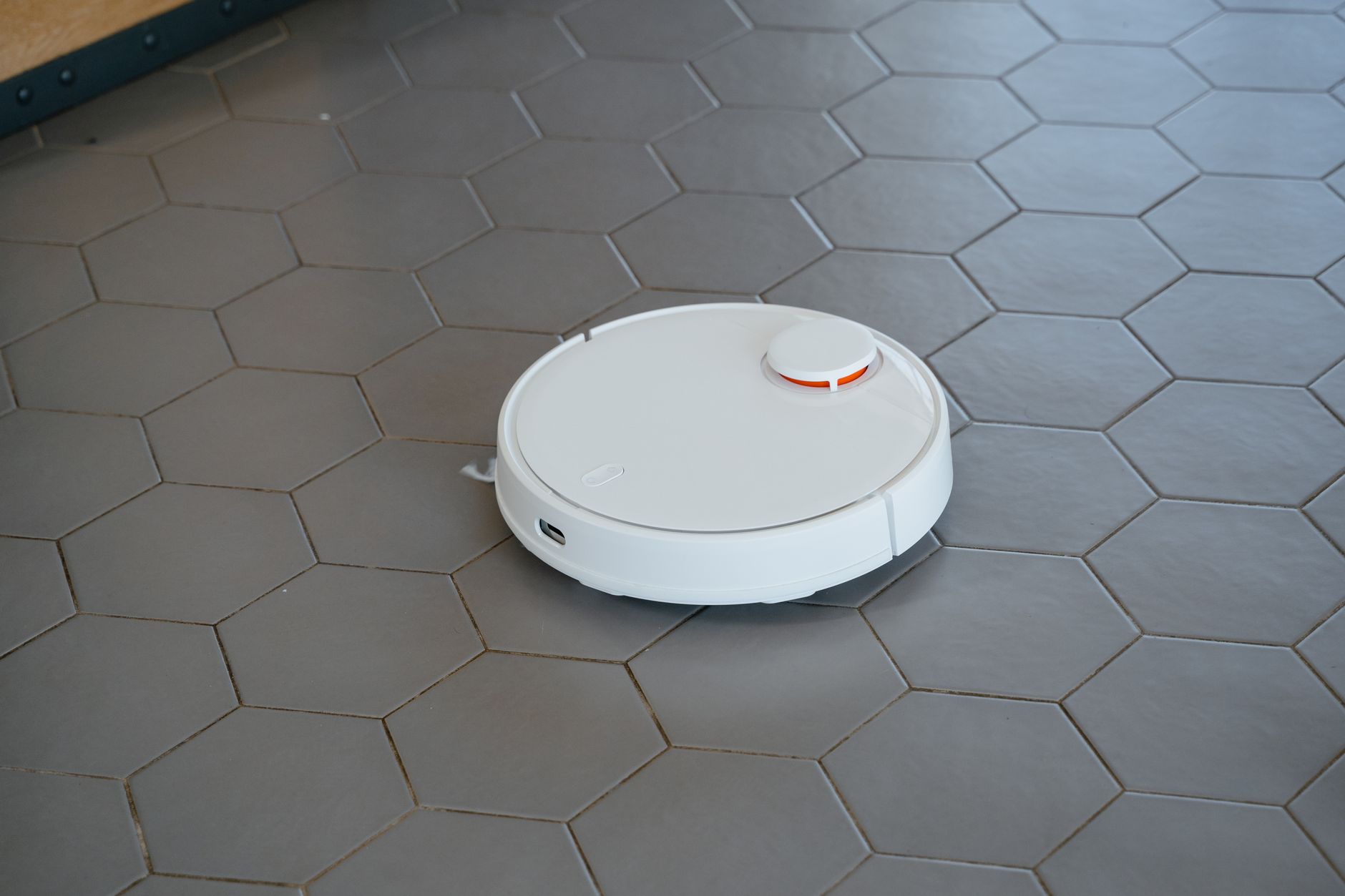
Robot vacuum cleaners are automated floor-maintenance tools that provide consistent daily upkeep for hard floors and low-pile carpets, though they rarely eliminate the need for occasional manual vacuuming of deep-pile rugs or tight corners. Most modern units have transitioned from simple random-path machines to advanced lidar-navigated devices that integrate smoothly into a smart home workflow.
⚡ In a Rush? Key Takeaways
- Mid-range robot vacuums save the average household 2-3 hours of cleaning time per week.
- Modern lidar-navigated units reduce cleaning time by 40% compared to older random-path models.
- High-efficiency filters in robot vacuums capture 99% of dust particles, improving air quality.
- Battery-operated units cost under $0.05 per daily cleaning cycle in electricity usage.
- Verdict: Invest in a model with lidar mapping and auto-empty capabilities for true utility.
Are Robot Vacuum Cleaners Actually Effective?
Robot vacuums effectively maintain daily cleanliness on hard floors and thin rugs by removing surface debris and dust before it builds.
How Well Do They Handle Pet Hair?
High-end models with rubberized brush rolls handle pet hair efficiently without frequent tangling, outperforming many basic uprights.
Pet hair management has seen a massive leap in performance over the last three years. Rubberized rollers are the key upgrade here, replacing the traditional bristle brushes that previously trapped fur.
I have observed that machines designed with dual-roller systems, like those from iRobot, effectively pull hair directly into the dustbin. This prevents the dreaded task of cutting tangled hair off a brush bar every few days.
Can They Clean Under Furniture and Tight Spaces?
Robot vacuums typically stand under four inches tall, allowing them to access the dark, dusty areas under beds and sofas easily.
The low profile of these devices is their greatest physical advantage. While an upright vacuum requires moving heavy furniture, a robot simply slides underneath to collect dust bunnies.
- Standard height: 3.5 to 3.8 inches.
- Sensor-based navigation avoids getting trapped under low sofas.
- Effective for reach-in areas like under cabinets or tight bedroom corners.
Do They Really Save You Time?
A robot vacuum saves an average household roughly 150 hours per year by automating the repetitive daily cleaning of high-traffic zones.
If your home has a simple layout, these units are incredibly efficient. You set a schedule, and they handle the bulk of dust and crumb removal while you are at work or sleeping.
However, you must maintain a clutter-free floor. If you have to spend ten minutes picking up toys and cables before starting the cycle, the time savings are partially negated.
How Much Should You Spend on a Robot Vacuum?
Entry-level robots start at $200 for basic suction, while top-tier mopping combos with auto-empty stations cost between $600 and $1,200.
What Do You Get for an Entry-Level Price?
Budget models under $300 provide basic navigation and suction, which are sufficient for small apartments with few obstacles.
Budget units often lack room mapping. They rely on “bounce” navigation, which means they hit walls and turn until the area is covered.
| Feature | Entry-Level | High-End |
|---|---|---|
| Navigation | Random | Lidar/Vision |
| Self-Empty | No | Yes |
| App Control | Basic | Advanced |
Is a Robot Mop Combo Worth the Extra Cost?
Robot mop combos are excellent for keeping sealed hard floors fresh, though they cannot replace deep, manual wet-scrubbing sessions.
Combining vacuuming and mopping into one unit is a smart space-saving choice for homes with mostly hard surfaces. These machines now feature lift-up mops that retract when they hit rugs.
I recommend checking your floor type before purchasing. If you have sealed hardwoods, these systems are safe, but they are not intended for unsealed or delicate antique wood surfaces.
What Is the True Cost of Ownership?
Annual maintenance costs average $50 to $100 for replacement brushes, HEPA filters, and disposable dust bags for self-empty stations.
When budgeting, do not focus solely on the purchase price. Most units require filter changes every three months and roller replacements annually to maintain suction efficiency.
Consider learning more about optimizing your cleaning workflow to ensure the robot doesn’t just push dirt around. Proper maintenance is the difference between a tool that lasts five years and one that fails after eighteen months.
What Should You Ask Before Buying?
Does Your Home Layout Support Robot Vacuuming?
Homes with heavy shag rugs or significant floor clutter will struggle with robot vacuums, often causing the units to get stuck often.
- Hardwood, tile, and thin carpet are the ideal surfaces.
- Thresholds higher than 0.75 inches may block standard robot cleaners.
- Large open-plan rooms are the most efficient environment for navigation sensors.
How Often Should You Run a Robot Vacuum?
Running a robot vacuum daily keeps dust levels lower than weekly cleaning sessions, which is helpful for those with indoor allergies.
Consistent, low-intensity cleaning is the primary benefit of these machines. By removing dust before it settles deep into rug fibers, you can significantly reduce the amount of airborne allergens in your bedroom and sleep environment.
Are They Reliable Enough to Leave Alone?
Modern robot vacuums are highly reliable if you prep the floor, though checking the bin and clearing sensors weekly remains necessary.
You should consider how to keep your home clutter-free to maximize the robot’s success rate. A robot vacuum is an assistant, not a replacement for basic floor tidying.
Frequently Asked Questions
How long do robot vacuum batteries last?
Most robot vacuum batteries last between 2 and 4 years before they start losing significant capacity and require a replacement.
Can robot vacuums map multiple floors?
Yes, most mid-range and high-end models in 2026 can save multiple floor maps and recognize which level they are on automatically.
Do robot vacuums work in the dark?
Models with lidar navigation work perfectly in the dark, while camera-based systems may require some ambient light to see obstacles.
Are robot vacuums noisy?
Robot vacuums operate at 60–70 decibels, which is quieter than a conversation or a standard upright vacuum cleaner on high power.