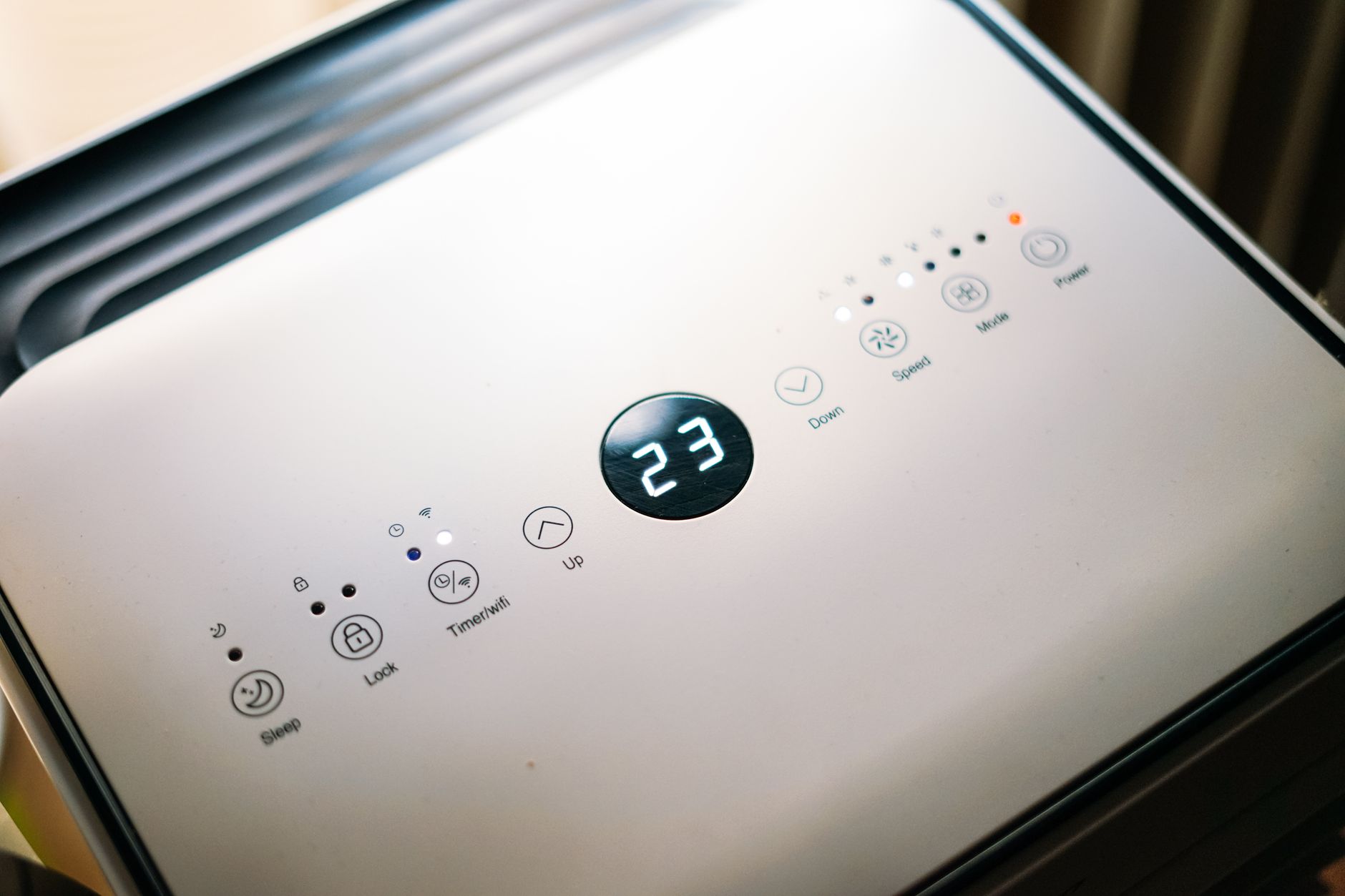
Dehumidifiers are specialized appliances designed to extract excess moisture from the air, typically operating by cooling coils to condense water into a collection tank. While their primary function is preventing mold and maintaining a healthy indoor relative humidity between 30% and 50%, they are also a significant source of electricity consumption in many homes.
⚡ In a Rush? Key Takeaways
- Most portable units use 250-700 watts, adding $15-$40 per month to utility bills.
- Energy Star certified models operate 15-20% more efficiently than standard dehumidifiers.
- Whole-home ventilation units often pay for themselves through reduced HVAC cooling demand.
- Consistent maintenance, like filter cleaning every 2 weeks, increases extraction efficiency by 10%.
- ✅ Prioritize Energy Star ratings over raw pint capacity to maximize your long-term savings.
What Is The Most Efficient Way To Use A Dehumidifier?
Use a dehumidifier only when relative humidity exceeds 50 percent and pair it with a smart plug to avoid unnecessary runtimes.
Why Does Placement Matter For Energy Consumption?
Placing a unit in the center of the room with at least six inches of airflow clearance ensures the coils operate at peak efficiency.
I have found that restricting the airflow around the unit is the single most common cause of high electricity usage. When the machine has to strain against a wall or furniture, it cycles longer to achieve the same result. You can learn more about how to optimize your home energy efficiency to lower these costs even further.
How Do You Prevent Excess Electricity Waste?
Run the unit on a schedule or use a humidistat to turn the compressor off automatically once your target humidity level is reached.
Many homeowners treat these machines like a light switch, leaving them on 24/7 regardless of the room conditions. This is a primary driver of high home running costs that people often overlook. Consider these simple operational rules:
- Set your target humidity to 45% to prevent mold while minimizing cycle times.
- Empty the water bucket daily, as heavy buckets strain the float switch mechanism.
- Close all windows and doors in the area to stop the unit from fighting outside humidity.
- Clean the air filter every two weeks to prevent dust buildup on the coils.
Are There High-Quality Dehumidifiers Made In The USA?
Domestic manufacturing for dehumidifiers is primarily focused on high-capacity, whole-home units rather than simple portable appliances.
Which Brands Currently Manufacture Within The United States?
Companies like AprilAire and Santa Fe maintain robust engineering and assembly facilities within the US for professional-grade systems.
When looking for longevity, I often point readers toward brands like Santa Fe or AprilAire. These are typically built for basements or crawlspaces where humidity control is critical for structural health. While the upfront price is higher, they are essentially the home maintenance equivalent of an investment piece, often lasting double the life of cheaper imports.
Why Do Professional Units Differ From Portable Models?
Professional units use superior compressors and bypass airflow designs that reduce energy use by up to thirty percent over time.
| Feature | Portable Units | Professional Units |
|---|---|---|
| Lifespan | 3-5 years | 10-15 years |
| Efficiency | Average | High |
| Placement | Room-specific | Whole-house |
How Do You Maintain Your Dehumidifier For Maximum ROI?
Regular maintenance of the coils and drain system prevents mechanical failure and maintains the efficiency of the extraction cycle.
What Is The Role Of Coils And Refrigerant?
Coils must remain free of dust and debris to allow heat exchange to happen effectively without putting extra load on the compressor.
If your coils get clogged with pet hair or dust, the machine loses its ability to condense water effectively. I always recommend using a soft brush to clear the fins at the start of each season. This simple act can reduce your monthly energy draw significantly.
How Does Drain Maintenance Extend Appliance Life?
Keeping the internal drain line clear of algae and mineral deposits prevents internal leaks that eventually corrode the electronics.
Most units eventually fail due to the float switch getting stuck or internal pipes leaking into the main board. Flushing the drain with a diluted vinegar solution keeps the path clear and ensures the safety shut-off functions as intended. This is a small task that saves the expense of an early replacement.
What Are The Most Common Questions About Dehumidifiers?
Homeowners consistently inquire about the safety of continuous operation, optimal humidity settings, and long-term energy cost impacts.
Is it safe to run a dehumidifier when I am not at home?
Modern units with built-in auto-shutoff sensors are safe for unattended operation, provided they are not placed near flammable items.
Do dehumidifiers actually remove the smell of dampness?
By removing the excess moisture that allows mold and bacteria to thrive, a unit will eliminate the underlying cause of damp odors.
Should I use a basement-specific model?
Basement models are designed for lower temperatures, where standard units often freeze up due to the lack of heat for the coils.
Ultimately, selecting the right dehumidifier involves matching the capacity to your square footage and the environment in which it will live. If you choose an Energy Star model and keep the filters clean, you will see a real difference in both your comfort and your electricity bill. — Greta Michaud, Home Appliance Efficiency Researcher