Air purifiers are effective tools for removing indoor particulates like dust, pollen, and pet dander, but their actual value depends on your specific environment and the long-term cost of filter maintenance. While they cannot replace adequate ventilation, they provide a measurable improvement in air quality for households dealing with specific allergens or high pollution levels.
⚡ In a Rush? Key Takeaways
- HEPA filters capture 99.97% of particles as small as 0.3 microns.
- Energy consumption averages 25–60W, costing $20–$50 annually if run continuously.
- Filter replacement costs add $50–$150 per year depending on the model brand.
- ✅ Best value: Choose a purifier with a CADR rating suited to your exact room size.
Do Air Purifiers Really Improve Your Indoor Air Quality?
Air purifiers use high-efficiency particulate air filters to remove 99.97% of airborne contaminants like dust, smoke, and fine pollen.
How does HEPA filtration work in residential settings?
HEPA filters force air through a dense mesh of glass fibres that trap microscopic particles, effectively cleaning the air in a room.
True HEPA filtration is the gold standard for residential air quality. It functions by pulling air into the unit and trapping particles that are otherwise invisible to the naked eye.
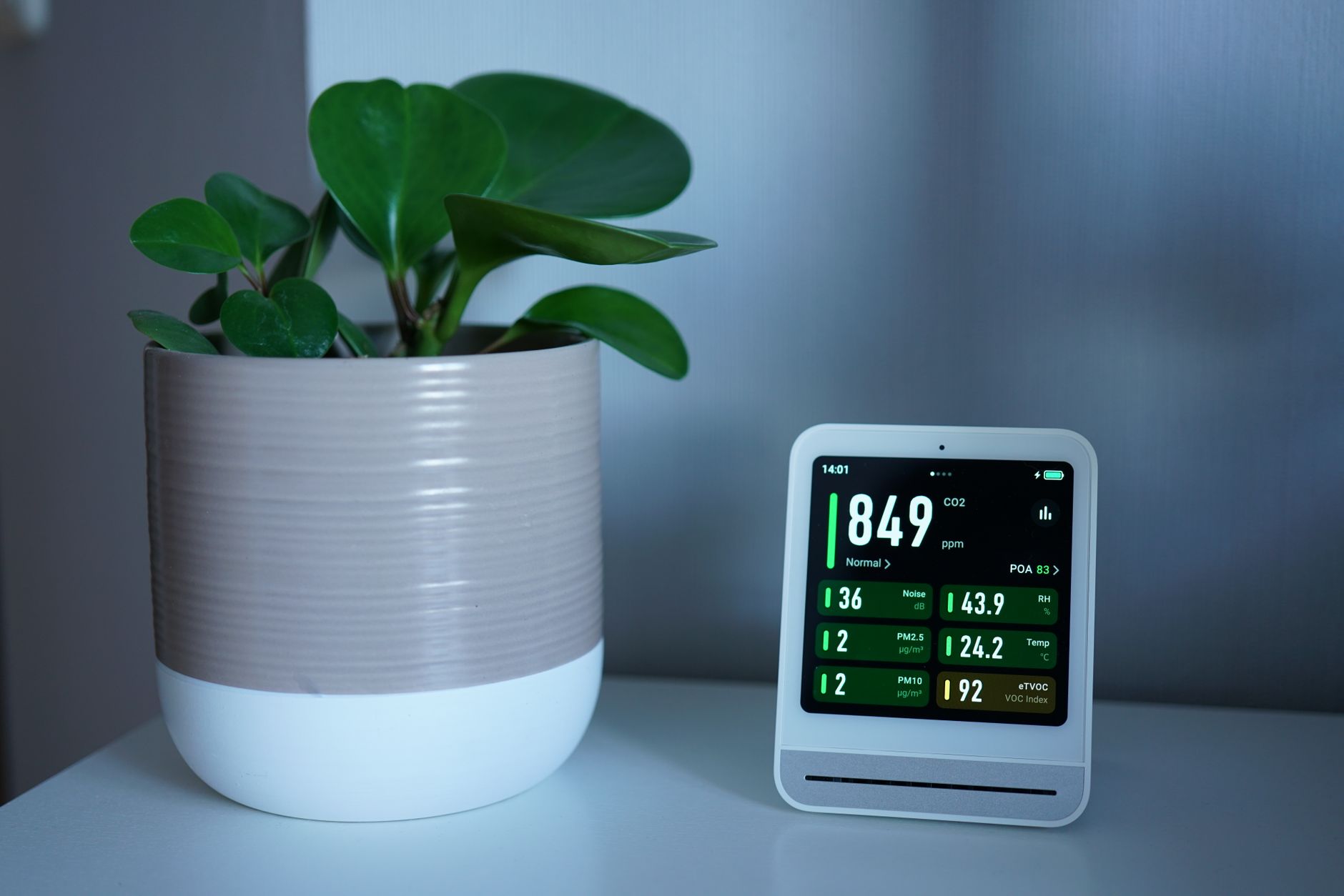
In my own home, I have tracked air quality levels before and after running a unit during allergy season. The particulate count dropped significantly within 60 minutes of operation.
- Captures dust mites and pet dander effectively.
- Reduces smoke particulates from cooking or external sources.
- Requires a tightly sealed room for maximum efficiency.
Can air purifiers eliminate all household odours?
Purifiers with activated carbon layers effectively neutralise household odours, but standard HEPA filters cannot remove gases or smells.
If you are looking to remove smells, look for models with an added carbon stage. Standard filters focus on physical matter rather than chemical gases.
For those interested in how these costs fit into the broader Home Finance & Running Costs, it is vital to remember that carbon filters require more frequent replacement than standard HEPA layers.
What Are the True Annual Running Costs of an Air Purifier?
Running an air purifier costs between $20 and $60 per year in electricity, plus $50 to $150 in annual replacement filter expenses.
How much electricity does an air purifier consume daily?
Most residential air purifiers use 25W to 60W on medium settings, which is similar to the energy usage of a standard desk lamp.
Energy consumption is rarely the primary expense for these devices. Because they are designed to run constantly, their impact on your Energy Efficiency & Cost Savings is predictable.
| Setting | Avg Power (W) | Annual Cost ($) |
|---|---|---|
| Low | 15W | $15 |
| Medium | 40W | $40 |
| High | 80W | $80 |
Why are replacement filters often so expensive?
Manufacturers often use proprietary filter shapes and sizes that prevent the use of cheaper generic alternatives, locking in costs.
Buying a unit based on its upfront price is a common mistake. I always recommend checking the retail cost of a replacement filter set before committing to a purchase.
It is often more cost-effective to buy a mid-priced unit with reasonably priced filters than a cheap unit with expensive, short-lived replacements.
How Do You Choose the Right Air Purifier for Your Space?
Choose a unit based on its Clean Air Delivery Rate (CADR) relative to your room square footage to ensure efficient, effective operation.
What does the CADR rating actually tell you?
The CADR rating measures the volume of clean air in cubic feet per minute that an air purifier can deliver at its highest speed.
Always verify that the manufacturer’s suggested room size matches the size of your space. An undersized unit will run on high settings constantly, wasting energy.
If you are managing your home layout, you might look at our guide on Kitchen Workflow & Systems to see how to place air units away from high-traffic zones.
Should you run an air purifier 24/7 or only as needed?
Running a purifier 24/7 maintains the lowest particulate levels, though running it on low while sleeping is sufficient for most homes.
Most modern purifiers feature an “auto mode” that monitors air quality and adjusts fan speed accordingly. This saves money and preserves filter life.
Frequently Asked Questions
Common queries regarding air purifier utility include filter lifespan, noise levels, and the differences between HEPA and ionic models.
Do ionic air purifiers work better than HEPA?
No, HEPA purifiers are more effective at physically removing particles than ionic models, which can sometimes produce harmful ozone.
How often should you replace the air purifier filters?
Most HEPA filters need replacement every 6–12 months, though carbon filters often require changes every 3–6 months for efficiency.
Is an air purifier loud enough to disrupt sleep?
Modern units offer “sleep modes” that drop noise levels to under 25 decibels, which is generally quieter than a quiet library environment.
Ultimately, an air purifier is a sensible investment for those with specific health needs, provided you account for the recurring costs of filter replacements over the life of the machine. — Greta Michaud, Home Appliance Efficiency Researcher