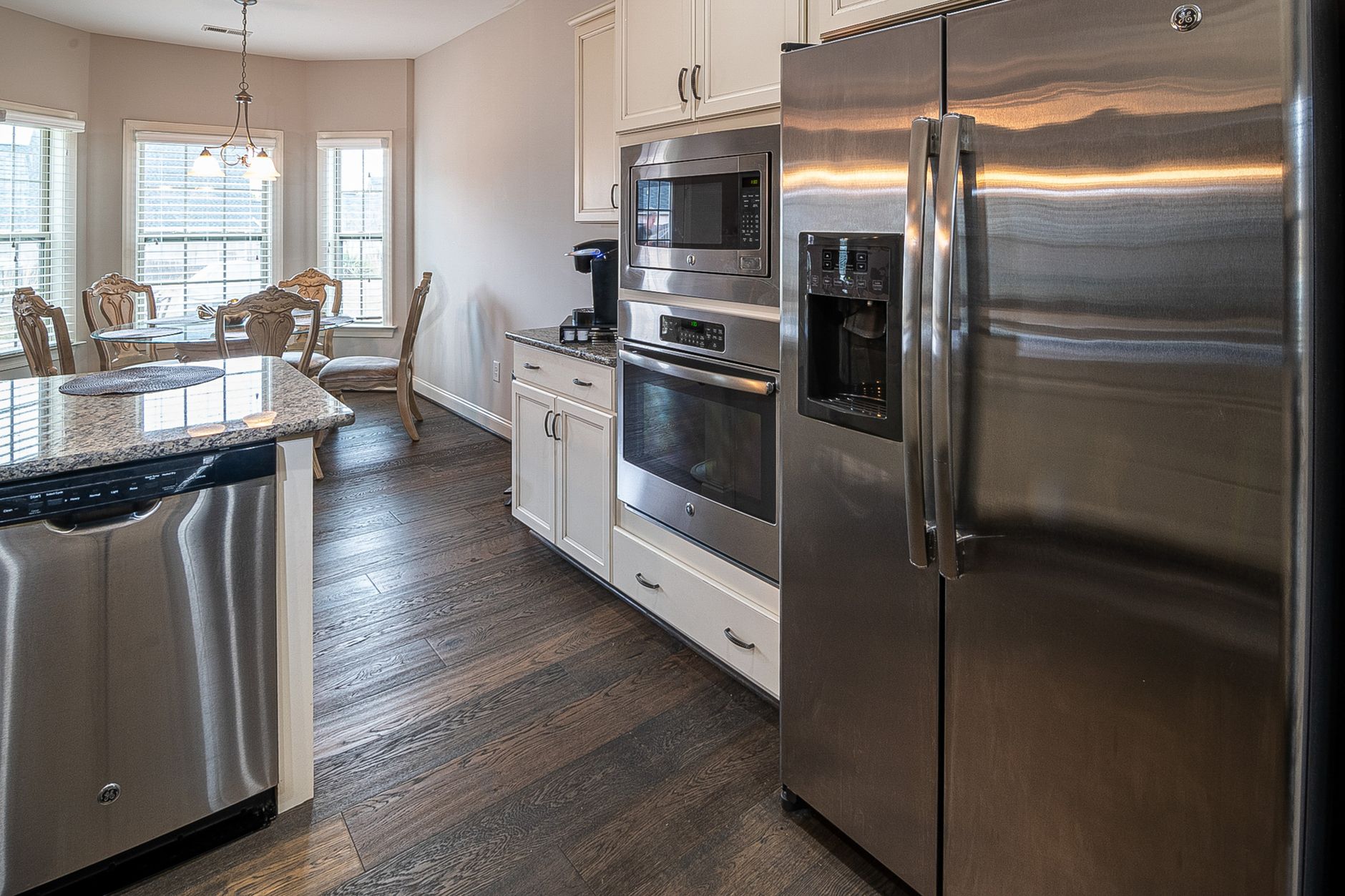
Home appliances are best selected by calculating their total lifetime cost of ownership, which combines the initial purchase price with long-term energy consumption and projected maintenance needs. Evaluating a machine based on daily running costs often reveals that the most efficient models save more than their price premium within the first three to four years of use.
⚡ In a Rush? Key Takeaways
- Modern A-rated washing machines reduce per-cycle energy use by up to 60% compared to decade-old models.
- Heat pump tumble dryers consume 50-60% less electricity than traditional vented drying systems.
- Standardizing appliance maintenance tasks like cleaning filters can extend equipment lifespan by 3-5 years.
- ✅ Prioritize machines with high repairability scores to minimize the impact of future mechanical failures.
How Do You Calculate the Real Cost of Home Appliances?
The true cost of any appliance includes the purchase price, annual electricity use at your local rate, and the estimated cost of biannual servicing.
Why Does Energy Efficiency Matter for Your Monthly Budget?
Appliances with high energy ratings consume significantly fewer kilowatt hours daily, leading to lower monthly utility bills over time.
Most homeowners focus on the sticker price when comparing appliances, but electricity usage represents a hidden recurring cost. A refrigerator left running 24/7 is a prime example where a higher efficiency rating yields substantial long-term savings.
When you account for the lifespan of an appliance, the difference between an entry-level model and an efficient one can reach hundreds of dollars. I always suggest modeling your appliance performance data before making a final commitment.
- Compare kWh usage per year listed on the energy label.
- Use a smart plug to monitor your current appliance draw.
- Account for inflation when projecting electricity rate increases.
What Are the Best Ways to Estimate Appliance Lifespan?
Average appliance lifespan ranges from 8 to 15 years, with premium units often lasting longer if they receive proper routine maintenance.
Reliability is often linked to the simplicity of the components and the manufacturer’s engineering standards. Brands that prioritize modular designs tend to be easier and cheaper to repair when things inevitably go wrong.
Understanding home maintenance protocols for your specific machines can keep them operating near peak efficiency. Avoid buying based on aesthetics alone, as complex electronic interfaces can be more prone to failure.
| Appliance | Average Lifespan | Key Failure Point |
|---|---|---|
| Refrigerator | 12-15 years | Compressor/Seals |
| Washing Machine | 8-12 years | Drum Bearings |
| Dishwasher | 9-12 years | Heating Element |
How Do You Maintain Appliances for Maximum Efficiency?
Consistent maintenance like cleaning lint filters, clearing condenser coils, and checking door seals keeps appliances running at optimal levels.
Can Simple Cleaning Routines Actually Lower Energy Bills?
Cleaning condenser coils and air filters ensures that appliances do not overwork their motors, directly reducing overall energy consumption.
Dust buildup on refrigerator coils forces the motor to work harder to maintain temperature, which increases your electricity bill. Similarly, neglecting dryer lint traps is not just a safety hazard; it also forces the unit to run longer cycles.
I recommend setting a quarterly calendar reminder to deep-clean these components. It is a minor investment of time that prevents the premature mechanical wear often seen in neglected kitchen systems.
- Vacuum refrigerator coils once every six months.
- Clean washing machine filters to prevent pump strain.
- Wipe door seals to maintain airtight integrity in cooling units.
When Should You Call a Professional for Appliance Repairs?
Call a professional when an appliance leaks water, makes unusual grinding noises, or exhibits recurring error codes that manuals cannot solve.
DIY repairs are excellent for simple fixes like replacing a light bulb or clearing a visible blockage. However, electrical issues or internal mechanical failure require professional diagnostic tools and safety training.
Attempting repairs beyond your skill level can void your warranty and pose significant safety risks. If a repair quote exceeds 50% of the cost of a new, efficient model, replacement is usually the more practical long-term strategy.
Frequently Asked Questions About Home Appliances
-
Is it cheaper to repair or replace old appliances?
Replace if repair costs exceed 50 percent of the new unit price or if the old appliance’s energy inefficiency is driving up your monthly bills.
-
How does appliance usage affect water bills?
Modern dishwashers and washing machines use high-efficiency cycles that reduce water usage by up to 30 percent compared to older technology.
-
What should you look for in appliance warranty terms?
Look for extended coverage on critical parts like motors and compressors, which represent the most expensive potential repairs for your home.
-
Does appliance color affect the price or performance?
No, appliance color is purely aesthetic and does not impact energy consumption, performance, or the internal durability of the machine components.
-
What About Responsible Disposal and Recycling of Old Appliances?
Properly recycling old appliances recovers valuable materials, reduces landfill waste, and can sometimes earn you rebates or discounts on new purchases.
Many municipalities and retailers offer take‑back programs that safely remove refrigerants, recover metals like steel and copper, and recycle plastics. Before discarding a unit, check whether your local waste management facility accepts large appliances or if the retailer provides a haul‑away service when you buy a replacement.
Some manufacturers also run trade‑in initiatives that give you a credit toward a new, more efficient model while ensuring the old unit is processed according to environmental standards. This not only lowers your upfront cost but also lessens the long‑term ecological impact of your household.
— Greta Michaud, Home Appliance Efficiency Researcher