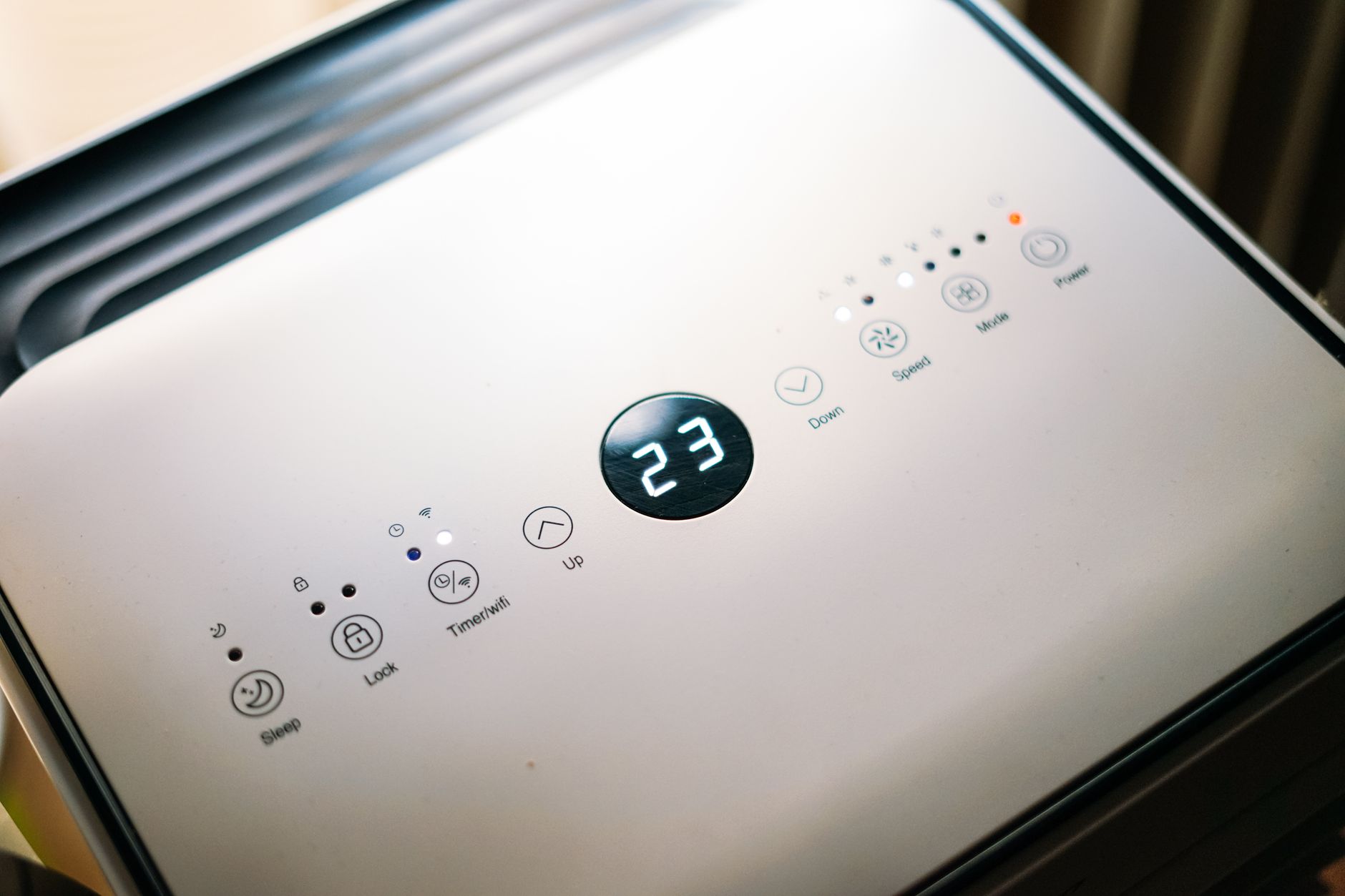
A dehumidifier is a functional appliance designed to extract excess moisture from the air, typically reducing indoor humidity levels to between 40% and 60%. While they are excellent for preventing mould growth and improving comfort in humid climates, they are most effective as a supplemental tool rather than a primary fix for structural water ingress.
⚡ In a Rush? Key Takeaways
- Standard compressor dehumidifiers use 200–350W per hour of operation.
- Desiccant models are quieter but consume 400–700W during active cycles.
- Maintaining 50% relative humidity prevents mould growth in most climates.
- ✅ Use a dehumidifier for 4–6 hours daily to manage condensation effectively.
How Much Electricity Do Dehumidifiers Use?
Most home dehumidifiers consume between 0.2kWh and 0.7kWh per hour, meaning a full day of use typically costs between $0.50 and $2.00.
What Is the Difference Between Compressor and Desiccant Models?
Compressor units use refrigerant to cool air for moisture removal, while desiccant models use a chemical-based wheel for silent drying.
In my own home testing, the energy profile of these two technologies differs significantly. Compressor models function like a refrigerator, cooling a coil to condense water, which is efficient at higher room temperatures.
Desiccant models lack a compressor, making them quieter, but they use a heater to dry their internal wheel. This makes them more effective in cold areas, such as an unheated basement or garage, but at a higher wattage cost.
- Compressor: Ideal for rooms above 15°C (60°F).
- Desiccant: Better for cold spaces and winter drying.
- Energy draw: Compressor units are generally cheaper to run daily.
How to Choose the Right Dehumidifier Size
Select a unit rated for the square footage and typical humidity of your space; capacity is measured in pints of water removed per 24 hours.
For moderate climates, a rule of thumb is 10 pints per 500 sq ft; damp basements may need 20 pints per 500 sq ft, while very wet areas (e.g., after flooding) could require 30 pints or more. Always check the manufacturer’s coverage chart and consider ceiling height.
If you plan to run the unit continuously, opt for a model with a built‑in pump or continuous drain option to avoid manually emptying the tank; otherwise, a larger bucket reduces maintenance frequency.
Can a Smart Power Monitor Lower Running Costs?
Using a smart plug or monitor allows you to track exact energy usage and automate cycles, preventing unnecessary runtime in dry rooms.
I have found that running a detailed energy audit on your appliance is the only way to verify manufacturer claims. Most users leave these devices on 24/7, which is rarely required.
By using a timer or a humidistat, you can ensure the machine only runs when humidity rises above 55%. This simple step often reduces annual running costs by 30% or more.
Are Dehumidifiers Effective at Stopping Mould?
Dehumidifiers effectively reduce the risk of mould by keeping relative humidity below 60%, but they cannot clean existing mould colonies.
Why Does Humidity Matter for Indoor Air Quality?
High indoor humidity creates the perfect environment for dust mites and mould spores, leading to respiratory issues and allergic reactions.
When humidity stays above 60% for prolonged periods, condensation forms on cold surfaces like windows and corners. This is the primary trigger for the black mould you see on window frames.
Managing your ventilation systems is often the first line of defense before you reach for a dehumidifier. If your home is well-insulated but lacks airflow, the appliance acts as a necessary bridge.
- Ideal humidity: 45% to 55%.
- Danger zone: Above 65% triggers rapid mould growth.
- Health benefit: Lowers allergen counts in soft furnishings.
When Should You Contact a Professional for Damp?
If a dehumidifier requires constant emptying despite normal conditions, you likely have a structural leak or ventilation failure needing repair.
There is a point where an appliance is merely masking a structural failure. If you are extracting gallons of water daily, check your roof, pipes, and plumbing fixtures for leaks.
A dehumidifier is a tool for comfort and maintenance, not for resolving chronic water intrusion. Do not rely on them if you suspect rising damp or severe condensation in wall cavities.
Frequently Asked Questions
-
Should I run my dehumidifier 24/7?
It is unnecessary and costly to run a unit constantly; use an integrated humidistat to run the machine only when levels exceed 55%.
-
Will a dehumidifier make a room warmer?
Compressor units release a small amount of heat as a byproduct, which can raise room temperature by 1°C to 2°C during long operation.
-
Does a dehumidifier replace the need for ventilation?
No, it works best alongside ventilation. You still need fresh air intake to ensure oxygen levels and air quality remain healthy for you.
-
How often should I clean the filter?
Clean your dehumidifier filter every two weeks. A clogged filter restricts airflow, forcing the motor to work harder and increasing costs.
— Greta Michaud, Home Appliance Efficiency Researcher