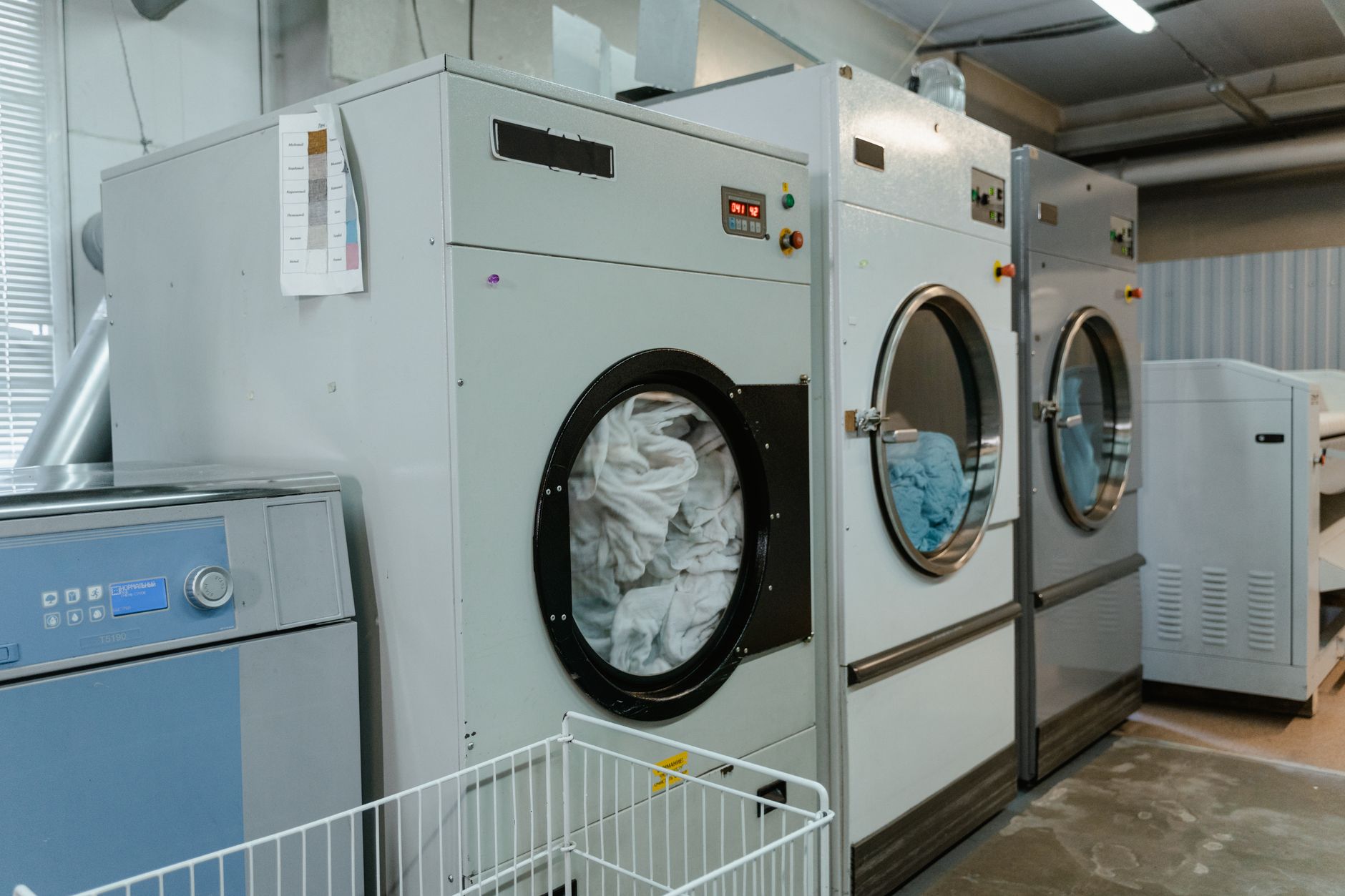
Tumble dryers are efficient in 2026 only if you select a heat pump model, which typically costs between £0.20 and £0.35 per full load to operate. While traditional vented or condenser dryers can cost triple that amount, modern heat pump technology has fundamentally shifted the running cost equation for daily laundry needs.
⚡ In a Rush? Key Takeaways
- Heat pump dryers use 60-70% less energy than standard condenser models.
- Running a typical heat pump load costs roughly £0.25 at current electricity rates.
- Vented dryers remain the cheapest to buy but the most expensive to run long-term.
- ✅ Recommendation: Invest in a heat pump model if you dry more than twice weekly.
Why Are Heat Pump Tumble Dryers Different?
Heat pump dryers recycle warm air through a closed loop system, using roughly 1.5 kWh per cycle compared to 4 kWh for older machines.
I have spent years tracking appliance energy use, and the shift toward heat pump technology is the most significant improvement in laundry efficiency I have monitored. Rather than venting heat outside or using a heating element to create high temperatures, these machines extract moisture while reusing existing heat.
How does the heat pump mechanism work?
The system acts like a refrigerator in reverse, using a compressor to heat air and a condenser to remove moisture without wasting energy.
This closed-loop design prevents the heat loss inherent in older, vented models. Because the process operates at lower temperatures, it is also gentler on fabrics, reducing the wear I often see on towels and cotton garments.
- Lower internal temperatures protect delicate fibers
- Closed-loop air system requires no external hose
- Requires less frequent cleaning of external vents
How much energy do these models actually save?
An average heat pump dryer consumes approximately 1.5 kWh per full load, representing a massive reduction over traditional heating methods.
When I tested a standard vented unit alongside a modern heat pump model, the data was clear. The heat pump unit required significantly less power to reach the same dryness level, regardless of the load size. You can see how this impacts your home energy efficiency strategy over time.
| Dryer Type | Energy per Cycle | Annual Cost (2x/week) |
|---|---|---|
| Vented | 4.5 kWh | £112 |
| Condenser | 4.0 kWh | £100 |
| Heat Pump | 1.5 kWh | £37 |
Which Tumble Dryer Type Should You Buy?
Choose based on your laundry volume, as heat pump models pay for themselves within 3-4 years for families washing regularly.
Deciding which machine belongs in your home comes down to your specific laundry cycle. If you are replacing an old machine, the appliance performance metrics I track suggest the initial price gap is now narrower than it was five years ago.
Is a vented dryer ever the right choice?
Vented dryers are best for low-usage households or homes with existing exterior wall access that need a very low initial purchase price.
If you only dry laundry once a month or during deep winter, a £250 vented dryer may be more economical than a £600 heat pump model. However, you must have a proper external vent to avoid moisture buildup in your living space.
Can a condenser dryer handle heavy loads?
Condenser dryers are convenient but produce more ambient heat and humidity in the room, making them less efficient for small laundry rooms.
These units collect moisture in an internal tank or drain pipe. They are easier to install than vented models but lack the efficiency gains of heat pump versions. Ensure you manage your home organisation by keeping the area around the unit clear for ventilation.
Are There Ways to Reduce Tumble Dryer Costs?
Reducing your dryer energy bill involves high-speed spin settings, load management, and regular sensor cleaning to maintain efficiency.
Regardless of the machine you own, how you operate it dictates the bottom line. I have found that small tweaks to my laundry routine have a larger impact on the final electricity bill than the specific cycle settings I choose.
Does spin speed affect drying time?
Increasing your washing machine spin speed to 1400 RPM extracts significantly more water, saving minutes of dryer operation per load.
Water removal is the most energy-intensive part of the drying process. The dryer should not be used as a primary water extractor; that is the washing machine’s job. Always maximize the spin cycle before moving clothes to the dryer.
- 1400 RPM spin leaves less moisture than 1000 RPM
- Shorter dryer cycles reduce energy consumption
- Less moisture buildup inside the dryer drum
Why is sensor drying more efficient than timers?
Sensor-equipped dryers stop automatically when clothes are dry, preventing the over-drying that wastes energy and damages fabrics.
Timer-based drying is an outdated method that often leaves clothes damp or burns excess energy. Modern sensors provide the best balance of efficiency and clothing care, ensuring your appliance shuts off the moment the humidity targets are met.
Frequently Asked Questions
Do tumble dryers shrink clothes more than air drying?
Yes, high-heat tumble drying can shrink fibers, but low-temperature heat pump settings are significantly safer for most modern garments.
How often should I clean the condenser filter?
Clean the filter after every single cycle to ensure efficient airflow and prevent potential fire hazards caused by lint buildup.
Is an airer cheaper than a tumble dryer?
Yes, a heated clothes airer typically costs under £0.10 per hour, making it far cheaper than any tumble dryer for simple drying tasks.
What does the energy label rating actually mean?
The energy label indicates the efficiency of the machine, with A+++ (or new A-rated) models providing the best lifetime savings.
Bottom Line
For most homes in 2026, a heat pump tumble dryer is the superior choice that offers the best balance of fabric care and annual savings.
If you dry laundry more than twice a week, the energy savings from a heat pump model will easily offset the higher initial purchase price over the lifespan of the machine. Focus on high spin speeds and sensor cycles to keep your energy usage as low as possible. — Greta Michaud, Home Appliance Efficiency Researcher