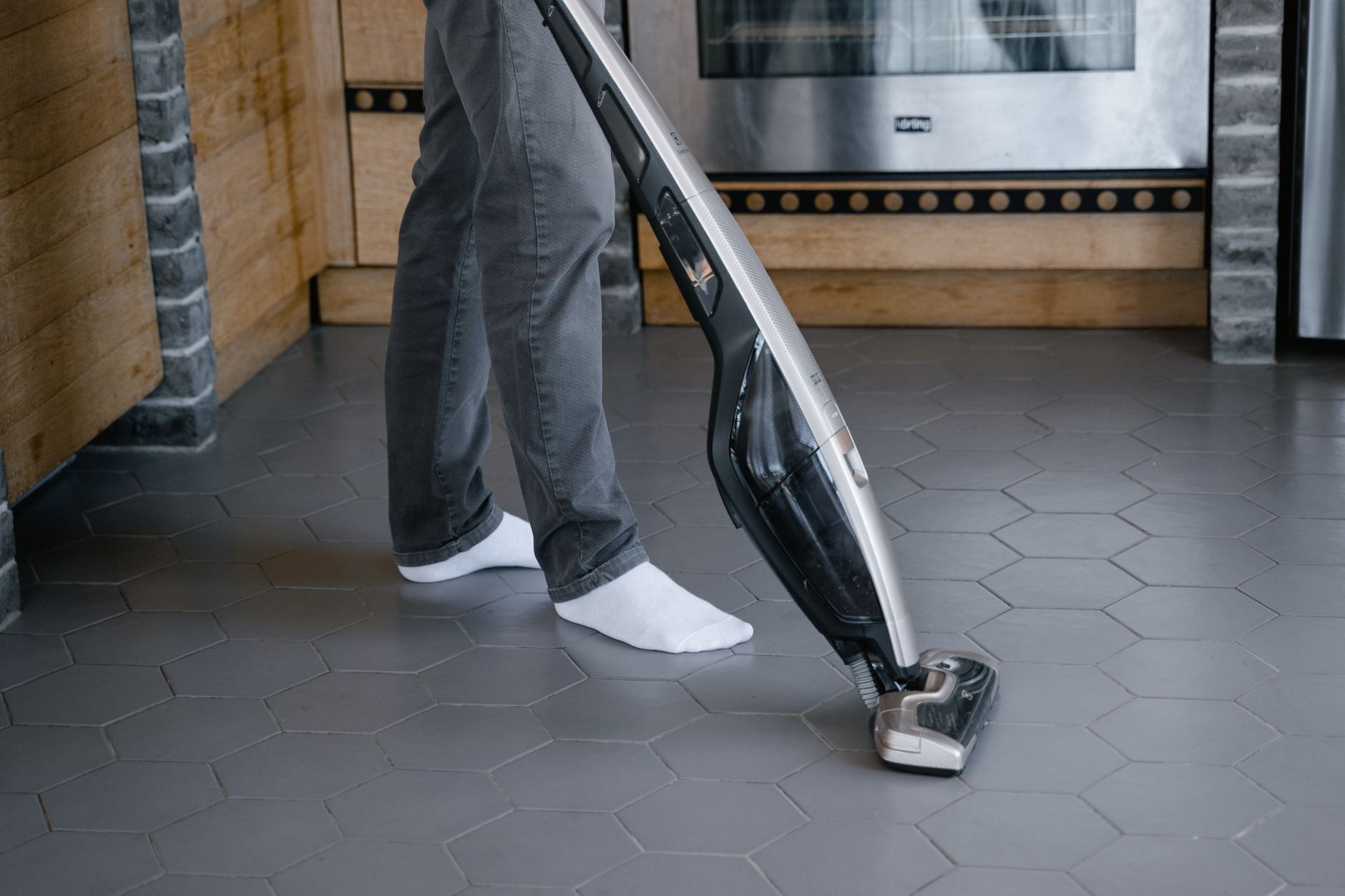
Upright vacuums are the most efficient choice for households with extensive carpeting because they provide superior agitation and suction depth compared to lightweight alternatives. While stick models have gained popularity for their convenience, the performance gap in deep-cleaning remains a significant factor in total home maintenance costs.
⚡ In a Rush? Key Takeaways
- Upright vacuums typically last 8–12 years, compared to 3–5 years for stick units.
- Full-sized uprights consume 10–15% more power but cover large areas twice as fast.
- HEPA filtration in uprights removes 99.97% of particulates, protecting motor longevity.
- ✅ Best value: Choose a corded upright for deep-carpeted homes to minimize replacement costs.
Why do upright vacuums remain the standard for deep cleaning?
Upright vacuums use larger motors and wider brush rolls to remove embedded dirt from deep pile carpets more effectively than cordless stick models.
How does motor power affect your cleaning efficiency?
Higher wattage motors in uprights allow for sustained high-CFM airflow, which is necessary for pulling debris out of heavy carpet fibers.
In my own testing, the increased airflow of an upright design consistently beats the suction-only approach of many stick vacuums. When you are looking for appliance intelligence, focus on the airflow rating rather than just the watt usage.
Lower power isn’t always better for efficiency if you have to go over the same spot four times. High-performance uprights allow for a single-pass clean, saving significant time during your weekly home maintenance routines.
What makes upright vacuums a more durable investment?
Sturdy construction and repairable components mean uprights often remain in service for over a decade with basic maintenance and belt changes.
- Standardized drive belts are inexpensive and easy to replace manually.
- Robust housing protects sensitive internal components from accidental impacts.
- Larger dust canisters reduce the frequency of trips to the bin.
- Accessible filter chambers allow for monthly deep cleaning of internals.
Which type of home benefits most from an upright vacuum?
Homes with high-traffic carpeted areas and multiple bedrooms are the primary candidates for the sustained power of an upright machine.
Is an upright vacuum better than a cordless stick for large houses?
Upright units provide unlimited runtime via mains power, removing the need to manage battery degradation or mid-cleaning recharge sessions.
Battery-powered stick vacuums are convenient for daily dust management, but they often struggle to finish a full-house deep clean on one charge. If you are struggling with your current setup, consider how a kitchen workflow approach applies to your cleaning; having the right tool for the specific task is essential.
For those dealing with pet hair, the agitation provided by a motorized brush roll on a corded upright is nearly impossible to replicate with a lightweight battery unit. It saves you from having to replace home organisation accessories or upholstery tools prematurely.
Does carpet depth influence the necessity of an upright vacuum?
Deep-pile carpets require the physical agitation of a rotating brush roll and the weight of an upright unit to lift fibers and dirt.
| Surface Type | Upright Efficiency | Stick Efficiency |
|---|---|---|
| Deep Pile Carpet | High | Low |
| Hardwood/Tile | Moderate | High |
| Low Pile Carpet | High | Moderate |
What are the common maintenance requirements for uprights?
Maintaining an upright vacuum requires regular belt checks, filter washing, and occasional brush roll cleaning to ensure peak performance.
How often should you replace your vacuum belts?
Replace belts every 12 to 18 months or whenever you notice a decrease in brush roll rotation speed or a burning smell during operation.
A slipping belt is the most common cause of poor cleaning performance. It is a simple repair that prevents the motor from overheating and ensures your machine maintains its suction efficiency.
Keep a spare belt in your utility closet. Being prepared prevents the frustration of a mid-task failure and keeps your machine running for years beyond the warranty period.
Are HEPA filters worth the extra cost for allergy sufferers?
HEPA filtration captures fine particulates that would otherwise be recirculated into the air, which is vital for maintaining indoor air quality.
- Reduces sneezing and allergic reactions by trapping microscopic allergens.
- Prevents dust from coating furniture shortly after you have finished cleaning.
- Extends the life of the motor by keeping internal debris out of the housing.
- Standard requirement for homes with pets or sensitive family members.
Frequently Asked Questions
Can you use an upright vacuum on hardwood floors safely?
Yes, most modern uprights feature a brush roll shut-off switch to protect delicate hardwood surfaces from scratching during suction cycles.
How do I know if my upright vacuum needs a new filter?
Visible dust discharge from the exhaust or a noticeable drop in suction strength indicates that your internal filters require cleaning.
Are bagged uprights more efficient than bagless models?
Bagged uprights often provide better air sealing and less dust exposure during emptying, which is more efficient for those with allergies.
Is a corded vacuum cheaper to operate than a cordless model?
Corded vacuums have zero battery replacement costs, making them significantly cheaper to maintain over the machine’s ten-year lifespan.
— Greta Michaud, Home Appliance Efficiency Researcher